

Home heating is evolving rapidly as energy efficiency and sustainability take centre stage. Recent research highlights just how much technology is changing the landscape. A 2024 study found that air-to-air heat pumps reduced heating energy consumption by 57–76%, resulting in near-zero heating-related CO₂ emissions in a test city.
These findings reaffirm that today’s advanced systems aren’t just efficient, they’re pivotal to building more sustainable homes. Finding the most effective heating system isn’t only about comfort; it’s about balancing long-term savings, installation costs, and environmental impact.
In this guide, we’ll break down the most efficient heating options available today, what makes them stand out, and how to choose the one that fits your home and climate best.
Need to Know:
- Energy-efficient heating systems lower bills, reduce emissions, and improve indoor comfort.
- Heat pumps and radiant systems are among the most effective heating options for modern homes.
- Proper system choice depends on climate, energy source, and home size.
- Annual tune-ups and clean filters can extend your system’s lifespan by years.
- Professional installation from Abba HVAC ensures peak performance and long-term savings.
What Are the Most Effective Heating Systems, and Why They Matter
The “most effective” heating system isn’t a universal choice; it’s the one that provides optimal comfort and efficiency based on your home’s size, insulation quality, and regional climate conditions. With modern advancements, homeowners can now achieve efficiency levels that were once only possible in high-performance buildings.
Why It Matters: Upgrading to a high-efficiency system does more than keep your home warm:
- Reduces utility bills: Energy-efficient systems consume significantly less electricity or fuel.
- Cuts carbon footprint: Cleaner operation means fewer greenhouse gas emissions.
- Improves comfort: Advanced temperature regulation ensures consistent warmth across rooms.
- Extends equipment lifespan: Modern units experience less strain and require fewer repairs.
- Boosts property value: Energy-efficient systems appeal to eco-conscious buyers and add long-term value.
Now that we understand why efficiency matters, let’s explore the most effective heating systems for modern homes, from cutting-edge heat pumps to classic radiant heating solutions, and see how each one balances comfort, cost, and sustainability.
Types of the Most Effective Heating Systems for Homes
Modern heating systems offer multiple ways to stay warm efficiently, whether by using renewable energy, advanced fuel systems, or radiant heat. Each option has its strengths, and understanding how they work helps you choose the right balance of comfort, cost, and efficiency for your home.
1. Heat Pumps (Air-Source and Geothermal)
Heat pumps transfer heat rather than generate it, making them one of the most energy-efficient options available. Air-source heat pumps draw warmth from outdoor air, while geothermal systems pull stable underground heat for year-round efficiency.
Why It’s Effective:
- Use 50–75% less energy than electric resistance heating.
- Provide both heating and cooling functions.
- Geothermal systems maintain consistent efficiency regardless of outdoor temperature.
2. High-Efficiency Gas Furnaces
Modern gas furnaces feature condensing technology, capturing and reusing heat from exhaust gases. Models with AFUE (Annual Fuel Utilization Efficiency) ratings of 90–98% maximize energy conversion from fuel.
Why It’s Effective:
- High AFUE ratings reduce wasted fuel.
- Reliable heating output, even in extreme cold.
- Compatible with most existing duct systems for easy upgrades.
3. Radiant Floor Heating Systems
These systems circulate warm water or electric heating elements beneath floors, radiating gentle, even heat throughout living spaces.
Why It’s Effective:
- Provides consistent, draft-free warmth.
- Ideal for tiled or well-insulated homes.
- Operates quietly and efficiently with minimal maintenance.
4. Ductless Mini-Split Systems
Mini-splits offer zoned temperature control, allowing homeowners to heat specific rooms independently. They use an outdoor compressor and one or more indoor air-handling units.
Why It’s Effective:
- Avoids duct energy losses (up to 30% savings).
- Offers personalized comfort for each space.
- High SEER and HSPF ratings make them ideal for mild to moderate climates.
5. Hybrid Heating Systems
Hybrid systems combine a heat pump with a gas furnace, automatically switching between electric and gas heat depending on outdoor temperatures.
Why It’s Effective:
- Optimizes performance for both mild and cold weather.
- Reduces operating costs by using the most efficient fuel source.
- Delivers steady comfort with lower emissions.
Keep your home warm and energy-efficient with expert installation and reliable service from Abba HVAC. Get the right system, installed the right way, built for comfort and long-term savings.
Comparing Efficiency and Costs of Different Heating Systems

When choosing the most effective heating system, it’s essential to weigh both initial investment and long-term operating costs. While some systems cost more upfront, they often deliver significant energy savings over time through higher efficiency and lower maintenance needs.
| Heating System | Average Efficiency (AFUE or COP) | Estimated Installation Cost (USD) | Average Annual Operating Cost | Best For |
|---|---|---|---|---|
| Air-Source Heat Pump | 250–300% (COP 2.5–3.0) | $4,000–$8,000 | $500–$900 | Mild to moderate climates |
| Geothermal Heat Pump | 400–500% (COP 4.0–5.0) | $12,000–$25,000 | $300–$700 | Long-term savings, all climates |
| High-Efficiency Gas Furnace | 90–98% AFUE | $4,500–$7,500 | $600–$1,000 | Cold climates |
| Radiant Floor Heating | 85–95% AFUE (hydronic) | $6,000–$14,000 | $400–$800 | New homes, luxury comfort |
| Ductless Mini-Split | 250–350% (COP 2.5–3.5) | $3,000–$6,000 | $400–$750 | Zoned heating, retrofits |
| Hybrid Heating System | 90–300% depending on mode | $6,000–$10,000 | $450–$800 | Mixed climates |
Key Insight: The most efficient system for your home depends on climate, energy rates, and usage patterns. For example, a geothermal heat pump offers the best long-term savings, while a ductless mini-split is a cost-effective choice for smaller or retrofit spaces.
Let’s take a closer look at the key benefits of choosing an energy-efficient heating system and how they can make a lasting difference for your home and comfort.
Benefits of Choosing an Energy-Efficient Heating System
Investing in an energy-efficient heating system goes beyond comfort; it’s a smart, long-term choice that reduces costs, supports sustainability, and enhances overall home performance. Below are some key benefits that make these systems worth the upgrade.
1. Lower Energy Bills
Efficient heating systems are designed to use less energy while maintaining the same level of warmth, helping homeowners cut down on utility costs year-round.
How It Helps:
- Reduces monthly heating expenses by 20–50%, depending on system type.
- Offers faster return on investment through long-term savings.
2. Reduced Environmental Impact
Modern systems like heat pumps and hybrid units operate cleanly, relying more on electricity and renewable energy sources instead of fossil fuels.
How It Helps:
- Lowers greenhouse gas emissions significantly.
- Supports sustainability goals and cleaner local air quality.
3. Improved Indoor Comfort
Energy-efficient systems maintain consistent indoor temperatures and better humidity control compared to older, uneven heating systems.
How It Helps:
- Eliminates cold spots and temperature fluctuations.
- Creates a quieter, more comfortable home environment.
4. Longer Equipment Lifespan
Because efficient systems don’t work as hard to maintain desired temperatures, they experience less wear and tear over time.
How It Helps:
- Reduces the need for frequent repairs.
- Extends system life by several years with proper maintenance.
5. Increased Home Value
Energy-efficient upgrades are attractive to modern buyers looking for homes with low running costs and sustainability features.
How It Helps:
- Boosts resale potential and market value.
- May qualify for tax credits or energy rebates in certain regions.
Choosing the Right Heating System for Your Home
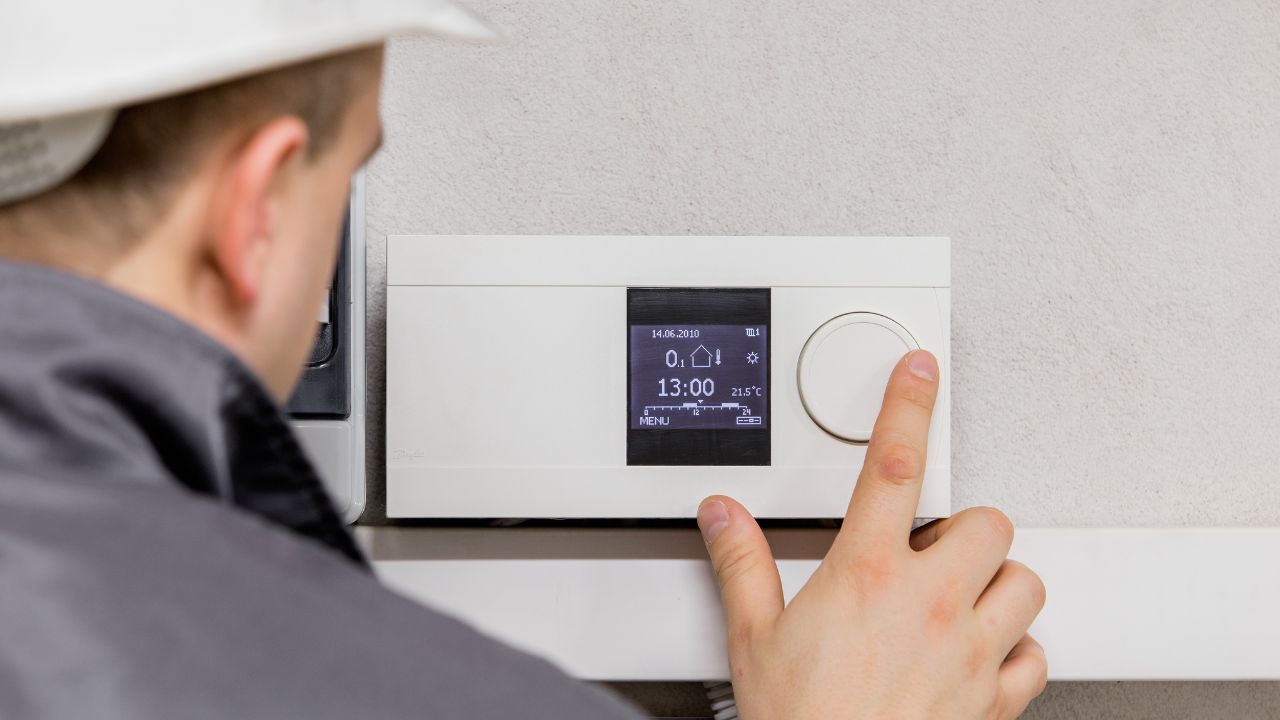
Selecting the most effective heating system depends on your home’s size, insulation, energy source availability, and climate. A system that performs well in a mild region may not be ideal for colder areas.
Key Factors to Consider:
- Home Size and Layout: Larger homes may benefit from zoned systems or high-capacity furnaces, while smaller spaces can efficiently run on heat pumps.
- Local Climate: In milder climates, air-source heat pumps are cost-effective. Colder regions might require hybrid systems or high-efficiency furnaces.
- Energy Source: Check whether natural gas, propane, or electricity is more accessible and affordable in your area.
- Upfront vs. Long-Term Costs: While some systems cost more initially, their energy savings can offset the investment over time.
- Maintenance Requirements: Simpler systems like electric furnaces need less upkeep, while geothermal or radiant systems require professional servicing.
Once you’ve narrowed down the right type of system, it’s just as important to have it installed and maintained by licensed professionals who understand the nuances of modern HVAC efficiency.
Abba HVAC: Your Trusted Partner for Energy-Efficient Heating Solutions
When it comes to heating systems, choosing the right installer is just as important as choosing the right equipment. Abba HVAC combines technical expertise with a customer-first approach, ensuring every installation delivers long-term comfort, energy savings, and reliability.
Here’s why homeowners trust Abba HVAC for heating upgrades and replacements:
- Licensed & Insured Professionals: With all required Texas licenses and insurance, Abba HVAC guarantees safe, compliant, and professional installations.
- Decades of Expertise: With over 20 years of experience in HVAC and construction, their team brings unmatched precision and reliability to every project.
- Full-Service Solutions: From new heating system installations to duct repairs and tune-ups, Abba HVAC offers complete comfort system care under one roof.
- Energy Efficiency Focus: Every service prioritizes performance and energy savings, helping you cut costs while improving home efficiency.
- 24/7 Emergency Support: Whether it’s a system failure or sudden temperature drop, Abba’s round-the-clock availability ensures you’re never left without heat.
- Transparent Pricing & Service: No hidden fees or rushed jobs, just clear estimates, honest recommendations, and dependable results.
Once your heating system is expertly installed, the next step is keeping it running efficiently for years to come through regular maintenance and timely inspections.
Maintenance Tips for Efficient Heating
Even the most advanced heating system can lose efficiency over time without proper care. A few simple maintenance habits can extend your system’s lifespan, lower bills, and keep your home comfortable through every season.
Here’s how to keep your system running at peak performance:
- Change filters regularly: Replace or clean air filters every 1–3 months to prevent dust buildup and maintain airflow.
- Schedule annual tune-ups: Have a licensed technician inspect your system before winter to identify wear, leaks, or inefficiencies.
- Seal ducts and leaks: Ensure your ductwork is sealed properly; leaky ducts can waste up to 30% of heated air.
- Keep vents clear: Make sure furniture or curtains aren’t blocking airflow from vents and registers.
- Check your thermostat: Calibrate or upgrade to a smart thermostat for better temperature control and reduced energy waste.
- Monitor unusual sounds or smells: Early detection of rattles, odors, or irregular cycles can prevent costly repairs later.
Regular maintenance doesn’t just protect your investment; it ensures steady comfort and efficiency all year long.
Final Words
The most effective heating system isn’t just about power; it’s about efficiency, comfort, and long-term savings. Choosing the right setup and maintaining it regularly can make all the difference in performance and cost.
Ready to Make Your Home More Efficient? Trust Abba HVAC for expert installation, reliable maintenance, and energy-smart heating solutions that keep your home comfortable year-round. Contact Abba HVAC today to get started on your energy-efficient upgrade.
FAQs
1. What is the most effective heating system for homes?
The most effective system depends on your climate and energy source. Heat pumps are highly efficient for moderate climates, while radiant or geothermal systems work best for colder regions.
2. How much can an energy-efficient heating system save on bills?
Upgrading to a modern heat pump or high-efficiency furnace can reduce heating costs by 20–50%, depending on your home’s insulation and usage habits.
3. Are heat pumps effective in cold weather?
Yes, newer cold-climate heat pumps are designed to perform efficiently even in freezing conditions, maintaining comfort without relying heavily on backup heat.
4. How often should I service my heating system?
It’s best to schedule a professional inspection once a year before winter to keep your system efficient and prevent costly breakdowns.