

Rising energy costs and growing environmental awareness have made homeowners rethink traditional HVAC systems. The focus is shifting toward solutions that deliver comfort without compromise, and that’s where heat pumps come in.
According to the U.S. Department of Energy, today’s heat pumps can reduce your electricity use for heating by up to 75% compared to electric resistance heating systems like furnaces and baseboard heaters. That level of efficiency, combined with their ability to both heat and cool, makes them one of the most energy-smart options for modern homes.
In this blog, we’ll explore the key benefits of using a heat pump, how it enhances home comfort, and why it’s becoming a preferred choice for energy-efficient living.
Need to know:
- Energy-efficient investment: Heat pumps can cut electricity use for heating by up to 75%, offering major savings over traditional systems.
- Year-round comfort: A single system provides both heating and cooling, adapting efficiently to seasonal changes.
- Eco-friendly solution: Reduces carbon emissions and supports sustainable home living.
- Smart home compatibility: Works seamlessly with programmable thermostats and renewable energy sources.
- Professional installation matters: Proper sizing, setup, and maintenance by a licensed HVAC expert like Abba HVAC.
What Is a Heat Pump and How Does It Work?
A heat pump is an all-in-one heating and cooling system that transfers heat instead of generating it. This simple but efficient process helps maintain comfortable indoor temperatures with far less energy than traditional furnaces or air conditioners.
- In cooling mode: It moves heat from inside your home to the outdoors, working just like an air conditioner.
- In heating mode: It reverses the process, extracting heat from the outside air (even when it’s cool) and transferring it indoors.
There are two main types of residential heat pumps:
- Air-source heat pumps: The most common and ideal for Texas climates.
- Ground-source (geothermal) heat pumps: Use underground temperatures for even greater efficiency.
This versatility is what makes heat pumps so effective, one unit manages both comfort extremes with minimal energy waste.
Why Heat Pumps Make Sense for Modern Homes

As energy prices rise and environmental concerns grow, more homeowners are looking for systems that deliver both comfort and cost savings. Heat pumps fit that demand perfectly, offering year-round efficiency with minimal environmental impact.
How it helps: Because heat pumps use existing heat from the air or ground instead of generating it from scratch, they provide a reliable, energy-smart alternative to traditional HVAC systems. Whether in a new build or a home upgrade, they adapt easily, cut energy waste, and deliver long-term value.
Here’s why modern homeowners are increasingly choosing heat pumps as their preferred comfort solution:
- Energy-efficient performance: Uses far less energy compared to furnaces and electric heaters.
- All-in-one convenience: Heats and cools your home with a single system, reducing equipment clutter.
- Lower carbon footprint: Supports a cleaner, more sustainable home environment.
- Incentive-ready technology: Qualifies for federal tax credits and local energy rebates in many regions.
- Long-term savings: Lower energy consumption translates to consistent monthly cost reduction.
- Future-focused design: Ready for integration with smart thermostats and renewable energy sources like solar.
After understanding what makes heat pumps an ideal choice for modern living, let’s explore their core benefits in more detail, from cost savings to improved indoor comfort.
Top 6 Benefits of Using a Heat Pump for Homes
Heat pumps do more than maintain temperature; they create a comfortable, cost-efficient, and environmentally friendly living space. Here are the key benefits every homeowner should know.
1. Energy Efficiency That Reduces Bills
A heat pump transfers heat instead of generating it, which makes it far more energy-efficient than systems that rely on fuel combustion. This means your home uses significantly less energy to stay comfortable all year.
How it helps: By moving heat rather than producing it, heat pumps can cut electricity use for heating by up to 75%, directly lowering monthly utility bills and reducing your home’s overall energy demand.
2. Year-Round Comfort in One System
Heat pumps are designed to handle both heating and cooling, eliminating the need for separate systems or seasonal maintenance hassles.
How it helps: Whether it’s a sweltering summer day or a cool winter evening, your heat pump automatically switches modes to maintain ideal indoor temperatures, ensuring consistent comfort with minimal effort.
3. Eco-Friendly and Sustainable Choice
Heat pumps use electricity rather than fossil fuels, making them one of the most sustainable home comfort solutions available today. They align with growing efforts toward greener, cleaner energy use.
How it helps: By reducing greenhouse gas emissions and improving energy efficiency, heat pumps lower your home’s carbon footprint and contribute to a more sustainable environment.
4. Consistent Indoor Air Quality
Many modern heat pump systems come with integrated air filtration and humidity control, which continuously circulate clean, balanced air throughout your home.
How it helps: This constant filtration helps remove dust, allergens, and pollutants, creating a healthier indoor environment and improving comfort for families with allergies or respiratory sensitivities.
5. Quiet and Reliable Operation
Unlike older HVAC systems that turn on and off loudly, heat pumps use variable-speed compressors and advanced fan technology to operate quietly and steadily.
How it helps: You get whisper-quiet performance without temperature swings or disruptive cycling, just consistent comfort you barely notice is running.
6. Long Lifespan and Lower Maintenance
Heat pumps are built to last, with fewer moving parts and less wear compared to conventional systems like furnaces. With proper installation and care, they can operate efficiently for many years.
How it helps: Their durable design reduces the frequency of repairs and lowers maintenance costs over time, offering homeowners a dependable and cost-effective comfort solution.
In short, a heat pump doesn’t just regulate temperature; it transforms how your home consumes energy, making comfort more efficient, reliable, and sustainable for years to come.
Expert Heat Pump Installation and Care from Abba HVAC
Choosing the right contractor is just as crucial as choosing the right HVAC system. With Abba HVAC, you get a licensed, local team that brings expertise, precision, and care to every installation.
Here’s why Abba HVAC is the trusted choice for heat pump services across Central Texas:
- Full-service expertise under one roof: From ductwork upgrades to electrical and plumbing coordination, Abba’s integrated approach ensures a smooth, end-to-end installation process without unnecessary delays or multiple contractors.
- 24/7 emergency availability: Comfort issues don’t keep business hours. With around-the-clock support and expert heating repair services, Abba HVAC ensures your system stays operational, even during unexpected breakdowns.
- Licensed, insured, and committed to quality: Every installation follows state and local HVAC codes, with post-installation testing and optional maintenance plans to guarantee ongoing performance and safety.
- Precision-focused performance: From load calculations to airflow balancing and system tuning, Abba’s technicians ensure your new heat pump isn’t just installed, it’s optimized for real-world efficiency and comfort.
- Transparent and customer-focused: Beyond installation, Abba HVAC helps you maintain consistent performance with seasonal tune-ups and energy-efficiency programs that keep your system running smoothly year-round.
With more than 20 years of combined experience, Abba HVAC provides homeowners with lasting solutions designed to improve comfort, reliability, and efficiency year after year.
Common Mistakes to Avoid When Installing a Heat Pump
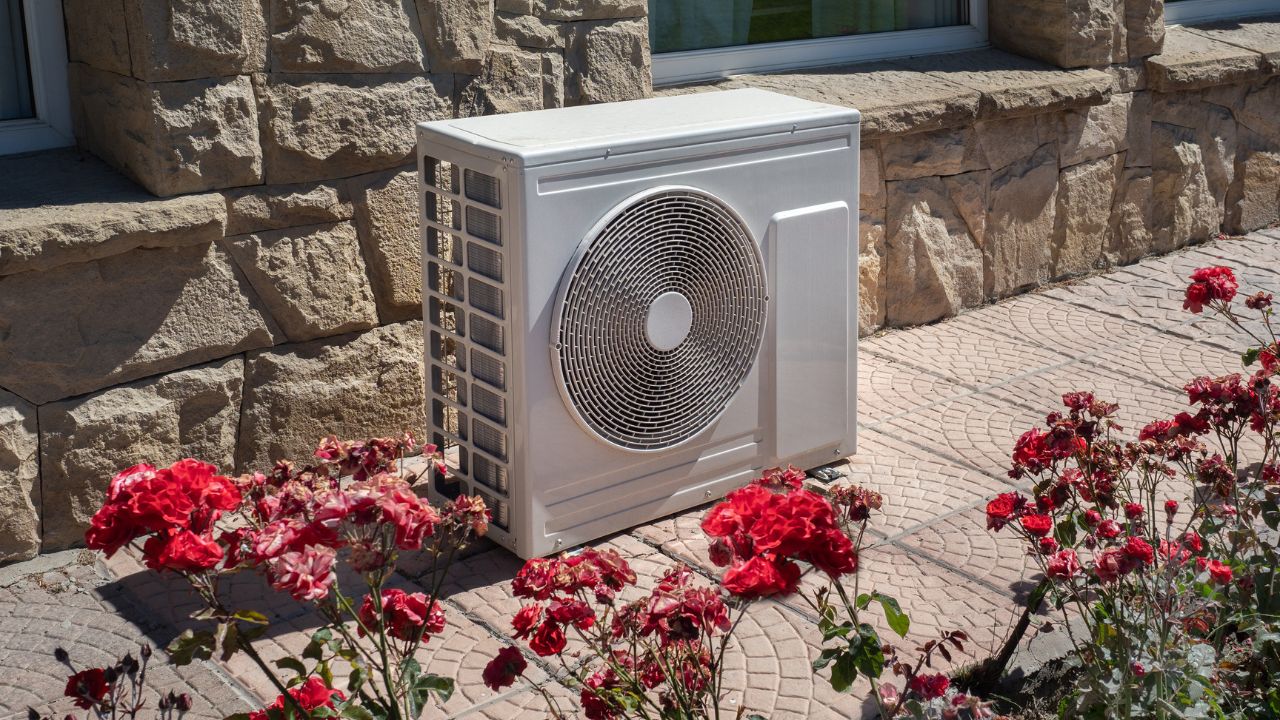
Even the most advanced heat pump won’t perform efficiently if it’s installed or maintained incorrectly. Avoiding common pitfalls during setup ensures your system runs smoothly, saves energy, and lasts for years.
Here are some of the most frequent installation and maintenance mistakes to watch out for:
- Incorrect system sizing: A unit that’s too large or too small struggles to maintain consistent temperatures and wastes energy. Always ensure a professional load calculation is done before installation.
- Improper placement of the outdoor unit: Placing the unit in poorly ventilated or shaded areas can restrict airflow and reduce efficiency. The system should always have clear space for optimal performance.
- Skipping ductwork inspection: Old, leaky ducts can drastically lower system efficiency. Having them cleaned, sealed, and balanced ensures proper air distribution throughout your home.
- Ignoring insulation and sealing: Without proper home insulation, even the best heat pump will overwork. Inspect your walls, attic, and windows to prevent air leaks before installation.
- DIY or unlicensed installation: Heat pump systems require precise electrical, refrigerant, and ductwork connections. Improper setup can void warranties, reduce lifespan, and cause safety issues.
- Neglecting regular maintenance: Failing to schedule annual tune-ups leads to performance drops, clogged filters, and reduced efficiency. Routine service keeps your system reliable and cost-effective.
By avoiding these common mistakes, you ensure your heat pump operates at peak performance, delivering maximum comfort, savings, and reliability for years to come.
Final Words
Choosing a heat pump is more than a home upgrade; it’s a smart investment in comfort, efficiency, and sustainability. From cutting energy use to improving indoor air quality, the benefits of using a heat pump go beyond simple temperature control. When installed correctly, it’s one of the most cost-effective and eco-friendly ways to keep your home comfortable year-round.
Partnering with a trusted, licensed professional makes all the difference. With Abba HVAC, you get expert guidance, precise installation, and ongoing support designed to maximize performance and longevity.
Ready to experience the difference? Reach out to Abba HVAC today to schedule your consultation and discover how a high-performance heat pump can transform your home’s comfort and energy savings for the long run.
FAQs
1. How efficient is a heat pump compared to other HVAC systems?
Heat pumps are among the most energy-efficient HVAC systems available. According to the U.S. Department of Energy, they can reduce electricity use for heating by up to 75% compared to electric resistance systems, making them a cost-effective choice for year-round comfort.
2. How long does a heat pump system typically last?
With proper installation and regular maintenance, a heat pump can last 15 to 20 years or more. Routine tune-ups, filter cleaning, and coil checks help extend its lifespan and ensure consistent performance.
3. Do heat pumps work in both summer and winter?
Yes. A heat pump provides both heating and cooling by transferring heat rather than generating it. In winter, it extracts heat from outdoor air to warm your home, and in summer, it reverses the process to keep interiors cool.
4. Are there maintenance requirements for heat pumps?
Absolutely. Heat pumps should be serviced at least once a year by a licensed professional. Regular cleaning, refrigerant checks, and duct inspections keep the system efficient and prevent costly repairs.
5. How can I tell if a heat pump is right for my home?
Most homes can benefit from a heat pump, but the ideal system depends on your climate, insulation, and existing HVAC setup. A professional from Abba HVAC can assess your space and recommend the right size and type for maximum efficiency and comfort.