When your home suddenly feels colder than usual or your furnace starts making strange noises, it’s easy to panic, especially in the middle of winter. But most furnace issues are surprisingly common and can often be fixed with simple maintenance or professional attention.
According to the U.S. Energy Information Administration (EIA), households heated by natural gas are expected to spend about the same as last winter, while homes heated by electricity may face higher costs. That means keeping your furnace efficient isn’t just about comfort, it’s about controlling energy expenses, too.
In this article, we’ll explore the top furnace problems, what causes them, and how to fix or prevent them before they become costly repairs.
Key Highlights
- Most furnace problems start small; addressing them early prevents costly breakdowns later.
- Regular maintenance, such as filter changes and professional tune-ups, can extend your system’s lifespan by years.
- Warning signs like strange noises, short cycling, or weak airflow should never be ignored.
- Partnering with licensed HVAC professionals ensures accurate diagnosis, efficient repairs, and long-term performance.
- Abba HVAC provides expert furnace services designed to keep your home warm, safe, and energy-efficient all year round.
What Is a Furnace?
A furnace is a central heating system that generates and distributes warm air throughout a home using ducts or vents. It typically runs on natural gas, propane, oil, or electricity and works by heating air in a heat exchanger before pushing it into the living space through a blower fan.
Modern furnaces are designed for higher efficiency and cleaner operation, often achieving up to 98% Annual Fuel Utilization Efficiency (AFUE), meaning almost all the fuel consumed is converted into usable heat. Regular maintenance, proper ventilation, and timely repairs help ensure consistent performance and energy savings year-round.
How a Furnace Works
- Thermostat signals heating need: When indoor temperatures drop below your set level, the thermostat sends a signal to the furnace to start the heating cycle.
- Fuel ignition or power activation: Depending on the furnace type, either natural gas ignites in the burner or electricity powers the heating element.
- Air heating process: The generated heat warms air inside the heat exchanger, a metal chamber designed to transfer heat efficiently without mixing combustion gases.
- Warm air distribution: A blower fan pushes the heated air through ducts and vents into different rooms, ensuring even warmth throughout the home.
- Exhaust and ventilation: Combustion byproducts are safely vented outside through the flue or exhaust pipe, keeping indoor air clean and safe.
Top Furnace Problems and How to Fix Them
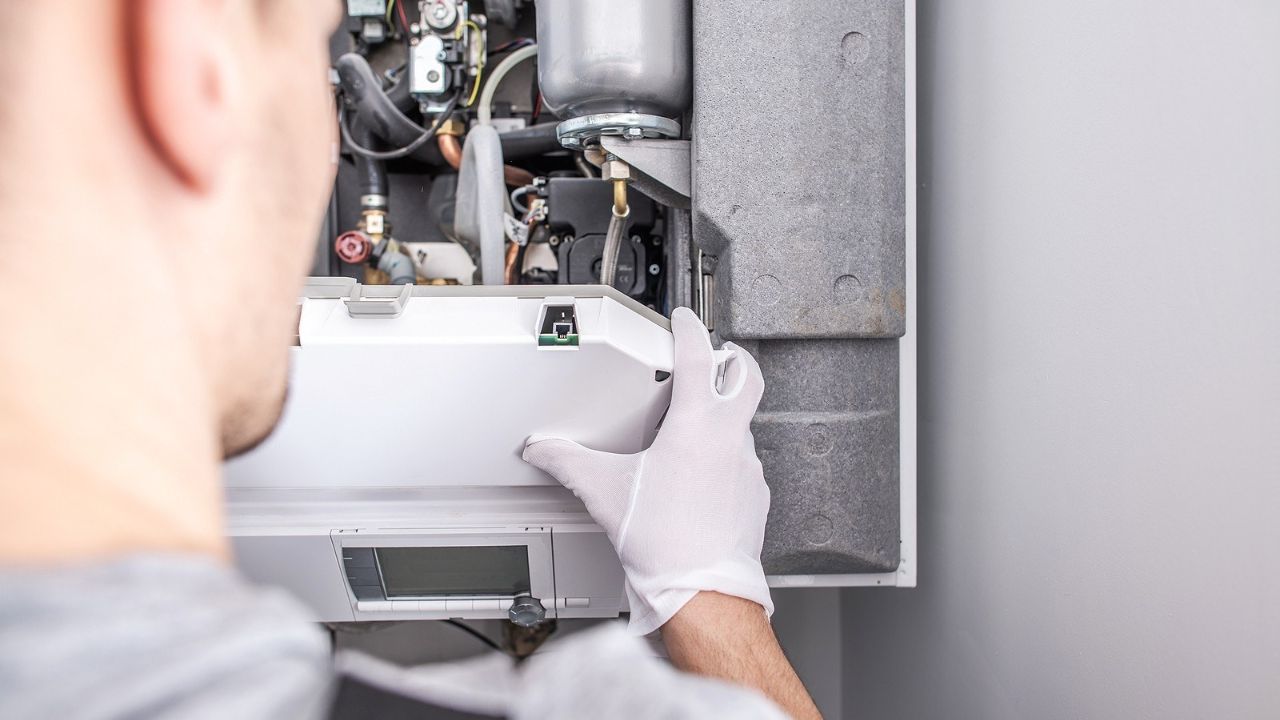
Even the most reliable furnaces can run into performance issues over time, especially during peak winter use. From minor airflow restrictions to ignition failures, these problems often start small but can quickly lead to higher energy bills or complete system breakdowns if ignored.
Understanding the most common furnace problems helps homeowners catch early warning signs and take timely action, whether through simple DIY fixes or professional service.
Let’s look at the 10 most frequent furnace issues and practical ways to fix them before they turn into costly repairs.
1. Pilot Light or Ignition Issues
Older furnaces with pilot lights may struggle to stay lit, while newer systems use electronic ignition that can fail due to wear, dirt, or moisture.
How to Fix It:
- Check if the pilot light is on; if not, follow your furnace manual to relight it safely.
- Inspect for drafts or debris near the flame area.
- For electronic ignitions, have a technician test the igniter or flame sensor.
2. Dirty or Clogged Air Filters
A clogged air filter restricts airflow, making the furnace work harder, overheat, or shut down prematurely.
How to Fix It:
- Check your air filter every month and replace it every 1–3 months.
- Use high-quality filters for better airflow and indoor air quality.
3. Thermostat Malfunctions
If your thermostat is malfunctioning or incorrectly calibrated, your furnace might not heat properly or may cycle irregularly.
How to Fix It:
- Check thermostat batteries and settings.
- Make sure it’s set to “Heat” mode and the fan setting is correct.
- For smart thermostats, ensure Wi-Fi connectivity and app updates.
4. Frequent Cycling (Short Cycling)
When a furnace turns on and off frequently, it wastes energy and indicates airflow restriction, dirty sensors, or improper sizing.
How to Fix It:
- Replace or clean the air filter.
- Check for blocked vents or registers.
- Have a professional inspect the flame sensor or system calibration.
5. Blower Motor Running Continuously
If your blower runs non-stop, the fan limit switch may be set to “manual on,” or the thermostat could be faulty.
How to Fix It:
- Check thermostat settings for “Fan Auto.”
- Reset the fan limit switch to automatic.
- If the blower still won’t turn off, contact a technician.
6. Strange Noises (Banging, Rattling, or Whistling)
Unusual furnace noises often point to loose panels, worn bearings, ignition delays, or ductwork expansion.
How to Fix It:
- Tighten access panels and check for loose screws.
- Replace worn blower bearings or belts.
- Schedule professional inspection for persistent noises.
7. Faulty Limit Switch or Flame Sensor
The limit switch controls the blower and prevents overheating; if dirty or faulty, it can cause constant cycling or shutdowns.
How to Fix It:
- Turn off power and gently clean the sensor with fine sandpaper.
- Replace the limit switch if the problem continues.
- Always consult a professional for internal electrical work.
8. Insufficient or Uneven Heating
Cold spots in rooms usually indicate duct leaks, blocked vents, or poor airflow from a failing blower or dirty filters.
How to Fix It:
- Open all supply vents and clear obstructions.
- Seal visible duct leaks with aluminum tape or mastic sealant.
- Schedule a system inspection for blower efficiency testing.
9. Faulty Blower Belt or Motor
Worn-out blower belts or failing motors can cause squealing noises, weak airflow, or complete system shutdown.
How to Fix It:
- Turn off power before checking the belt for cracks or fraying.
- Replace worn belts promptly.
- Lubricate or replace the motor if needed.
10. Dirty Flame Sensor
A flame sensor detects if the burner is lit. When it’s dirty, the furnace may shut down quickly after starting.
How to Fix It:
- Turn off power and gas supply.
- Remove the sensor carefully and clean it with fine steel wool.
- Reinstall and test. If issues persist, call a professional.
After understanding the most common furnace issues and their fixes, the next step is prevention. Regular upkeep not only keeps your system running efficiently but also helps you avoid unexpected breakdowns during the coldest months.
Prevent Furnace Problems with Regular Maintenance
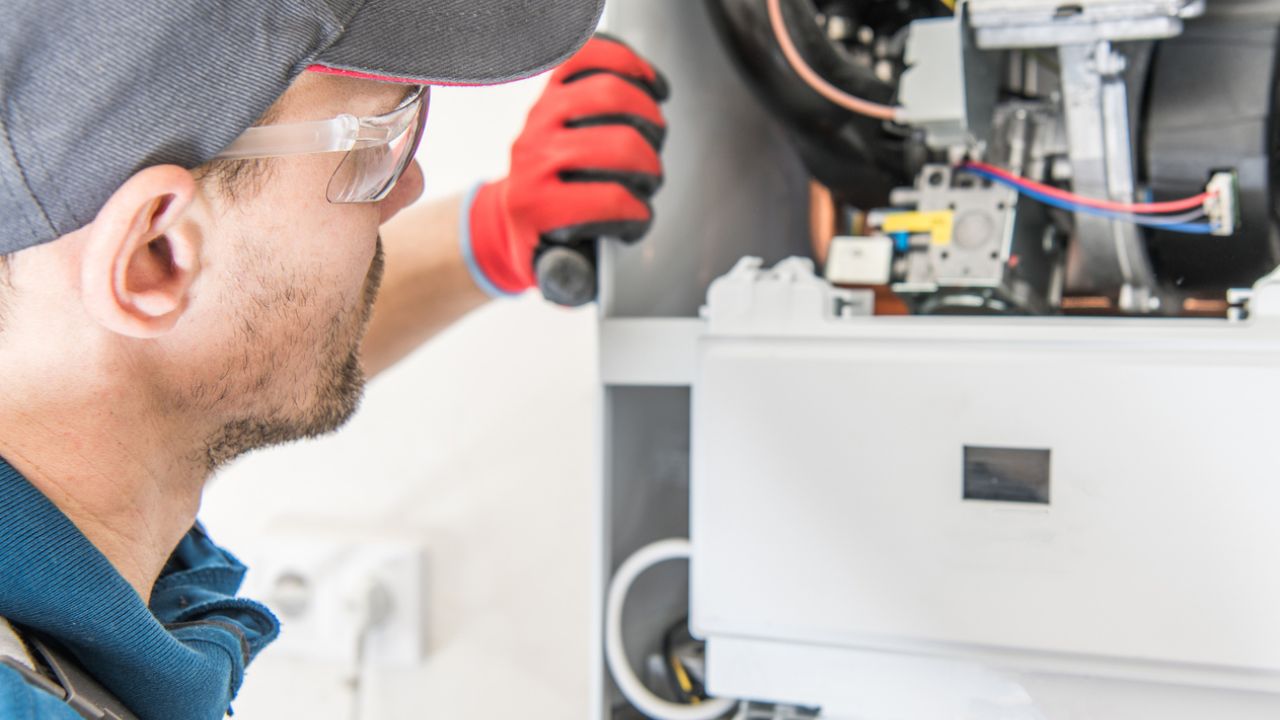
Routine furnace maintenance is the easiest and most cost-effective way to prevent sudden failures, extend your system’s lifespan, and maintain energy efficiency. A well-maintained furnace not only delivers consistent warmth but also reduces utility costs and improves indoor air quality.
Here’s how to keep your furnace in top shape year-round:
- Replace air filters regularly: Swap filters every 1–3 months to maintain proper airflow and reduce strain on the system.
- Schedule annual professional inspections: A licensed HVAC technician can clean burners, check electrical components, and ensure safe operation before the heating season.
- Keep vents and registers clear: Blocked vents restrict airflow and cause uneven heating across rooms.
- Inspect the thermostat: Make sure it’s calibrated correctly and functioning efficiently.
- Clean around the furnace: Remove dust, debris, or stored items near the unit to prevent blockages and fire hazards.
- Check the blower and flame sensor: Cleaning these components prevents common issues like short cycling or ignition failure.
After tackling the most common furnace problems, one thing becomes clear: even the best DIY efforts can’t replace professional care. When precision, safety, and lasting comfort matter, Abba HVAC is the team homeowners trust to get it right.
Professional Furnace Maintenance and Repair by Abba HVAC
When furnace problems strike, you need more than a quick fix; you need a trusted partner who knows how to restore comfort safely and efficiently. That’s where Abba HVAC stands out. With over two decades of experience, Abba’s certified technicians handle everything from routine maintenance to complex furnace repairs with precision and care.
Here’s what sets Abba HVAC apart:
- Comprehensive diagnostics and repairs: From ignition issues to airflow problems, every furnace undergoes a full performance check before any repair is made.
- 24/7 emergency support: Heating failures don’t follow business hours, and neither does Abba HVAC. Their round-the-clock availability ensures you’re never left in the cold.
- Licensed, insured, and safety-focused: Each service meets the highest safety and quality standards, ensuring your system runs smoothly and efficiently.
- Preventive maintenance plans: Regular tune-ups, cleaning, and system checks help detect small problems before they turn into costly breakdowns.
- Transparent pricing and trusted service: You’ll always receive honest estimates, clear communication, and long-term solutions, not temporary fixes.
Whether it’s time for a furnace tune-up, repair, or full replacement, Abba HVAC brings the experience, reliability, and customer-first approach to keep your home comfortable year-round.
Final Words
A well-functioning furnace is the heart of a comfortable, energy-efficient home. Understanding common furnace problems and taking preventive steps can save you from costly emergencies and unexpected downtime. Regular maintenance isn’t just about extending your system’s lifespan; it’s about ensuring reliable warmth when you need it most.
When the time comes for professional support, choosing the right HVAC partner matters and having Abba HVAC’s deep understanding of Texas homes becomes easier. Abba HVAC’s licensed team combines experience, precision, and care to help homeowners stay warm and worry-free all season long.
Schedule your furnace inspection or maintenance service with Abba HVAC today, and experience the comfort of a system that’s efficient, safe, and built to last.
FAQs
1. What is the most common problem with furnaces?
The most frequent furnace issue is a dirty or clogged air filter. It restricts airflow, forces the system to work harder, and can lead to overheating or short cycling if left unchecked.
2. How often should I service my furnace?
Furnaces should be professionally serviced at least once a year, ideally before winter. Regular tune-ups ensure safe operation, reduce energy waste, and catch small issues early.
3. Why does my furnace keep turning on and off frequently?
This is known as short cycling, often caused by restricted airflow, thermostat issues, or an oversized unit. Checking filters and thermostat calibration is a good first step before calling a technician.
4. How can I tell if my furnace blower motor is failing?
Warning signs include weak airflow, unusual humming or rattling noises, and the blower running continuously. A technician can test the motor’s amperage and replace it if needed.
5. Is it worth repairing a 15-year-old furnace?
If your furnace is over 15 years old and needs frequent repairs, it’s often more cost-effective to replace it. Modern ENERGY STAR models are up to 15% more efficient, providing better comfort and lower energy bills.