
If you own a heat pump in Austin, you already know how dependable it can be. It cools your home through long Texas summers and provides steady warmth when winter arrives. But because it runs almost all year, a heat pump needs more attention than most HVAC systems.
Many homeowners assume one annual tune-up is enough. In reality, your heat pump works double duty, replacing both your furnace and air conditioner, and that means it requires twice-a-year servicing to stay efficient.
Regular maintenance keeps your system running smoothly, lowers energy bills, and prevents costly breakdowns when you need comfort the most.
In this guide, we’ll explain how often to service your heat pump, what each visit includes, and how professional care from Abba HVAC helps Austin homeowners save energy and avoid surprises.
Key Takeaways
1. Service Frequency: Heat pumps need biannual service — once in spring and once in fall, because they heat and cool year-round in Austin’s climate.
2. Serviced vs. Neglected Heat Pump (Quick Comparison)
Feature | Serviced Twice a Year | Neglected System |
Efficiency | 95–100% maintained | Drops by 20–30% |
Lifespan | 12–15 years | 7–10 years |
Breakdowns | Rare, preventive repairs | Frequent, costly failures |
Energy Bills | Lower and consistent | Higher and unpredictable |
Air Quality | Clean and balanced | Dusty and uneven airflow |
How Often Should a Heat Pump Be Serviced?
In Austin, heat pumps work nearly year-round, cooling through long summers and heating during short but chilly winters. Because of this constant operation, experts recommend servicing your heat pump twice a year.
Spring Service: Cooling Preparation
As Austin temperatures start to rise in March or April, your heat pump shifts into cooling mode. Spring is the perfect time for a tune-up to prepare for heavy summer use.
During this visit, technicians:
Clean and inspect indoor and outdoor coils
Check refrigerant levels and electrical components
Test airflow, thermostat calibration, and performance
Replace or clean filters to ensure strong airflow
This preventive check ensures your system runs efficiently during Austin’s long, humid summer months when energy demand peaks.
Fall Service: Heating Readiness
When the weather begins to cool around late October or November, it’s time for the second service visit. Fall maintenance prepares your heat pump for the heating season and helps avoid mid-winter breakdowns.
A fall tune-up typically includes:
Inspecting reversing valves and defrost cycles
Verifying proper heating mode function
Cleaning condensate drains and checking insulation
Testing system controls for safety and reliability
Why Twice-Yearly Service Is Essential
Skipping either tune-up can lead to performance drops, higher bills, or unexpected repairs. A heat pump that’s serviced every six months:
Maintains maximum efficiency year-round
Reduces wear on major components
Keeps warranties valid (most require documented service)
Ensures balanced comfort in Austin’s fluctuating climate
Pro Tip: Schedule maintenance before seasonal peaks, early spring, and early fall. You’ll avoid rush times and ensure your system is ready when the temperatures swing.
What’s Included in Professional Heat Pump Service
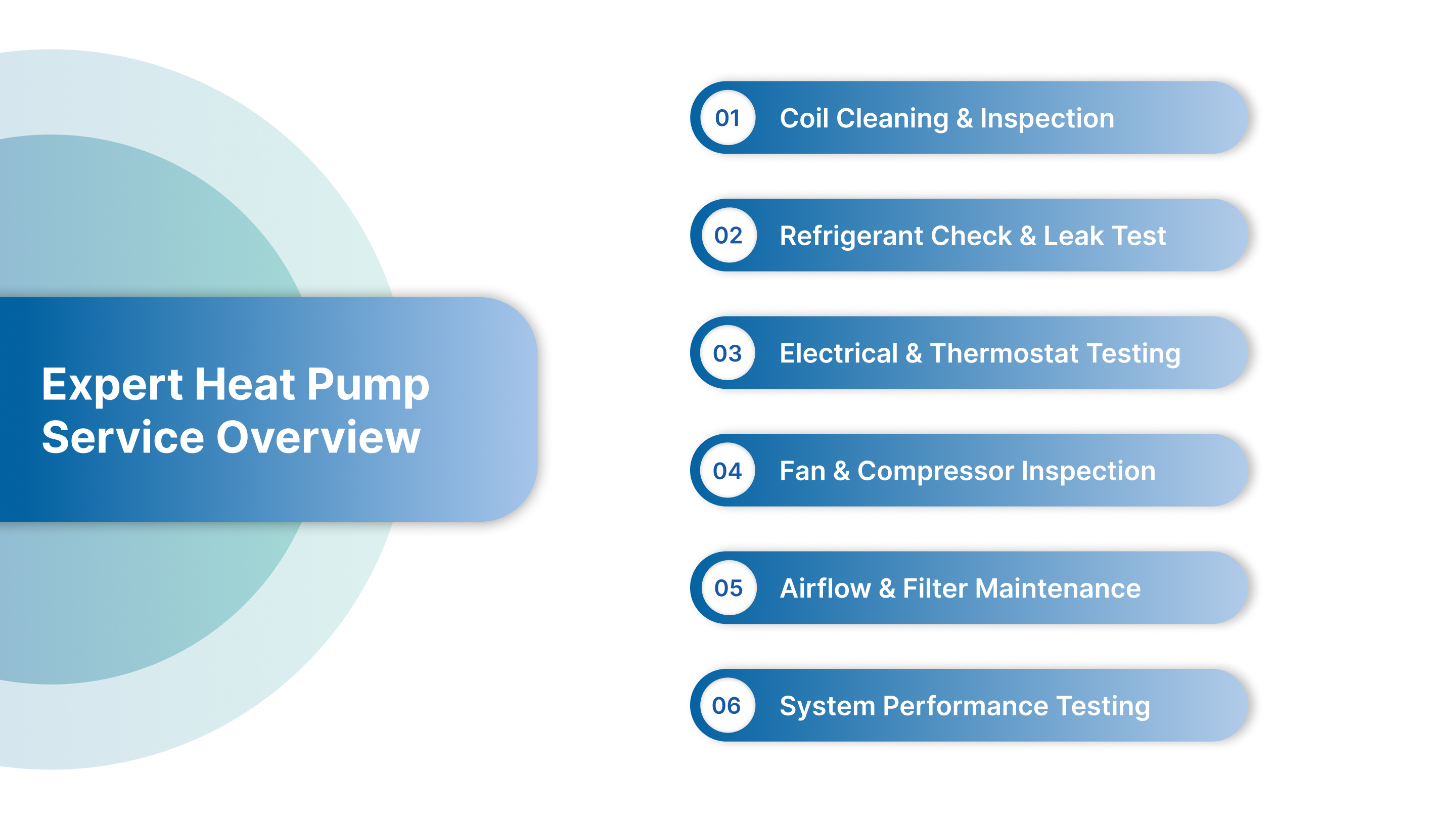
A professional heat pump service goes beyond a quick inspection. It’s a detailed process designed to keep your system clean, efficient, and safe.
Here’s what a typical Abba HVAC tune-up includes:
1. Coil Cleaning and Inspection
Both the indoor evaporator coil and outdoor condenser coil collect dust and pollen throughout the year. In Austin’s environment, this buildup can block airflow and trap heat. Technicians clean coils and inspect for corrosion, ensuring efficient heat transfer.
2. Refrigerant Level and Leak Check
Low refrigerant reduces heating and cooling power. A licensed technician checks pressure levels, tests for leaks, and restores proper charge if needed.
3. Electrical and Thermostat Testing
Loose wires, failing capacitors, or miscalibrated thermostats can cause frequent cycling or system strain. Technicians tighten connections, test voltage, and confirm thermostat accuracy.
4. Fan and Compressor Inspection
These components run constantly in Austin’s climate. Regular inspection prevents noise issues, overheating, and early motor failure.
5. Airflow and Filter Maintenance
Airflow is critical for efficiency. Professionals inspect ducts, clean filters, and ensure proper air circulation.
6. System Performance Testing
After servicing, your technician runs a full performance test. This ensures the system heats and cools evenly, operates quietly, and meets manufacturer specifications.
Local Insight: Austin’s humid weather makes coil cleaning and drainage checks especially important. Moisture buildup can lead to mold or airflow restriction if not maintained.
Signs Your Heat Pump Needs Service Sooner
Even with a regular maintenance schedule, your heat pump might occasionally need extra attention. Austin’s fluctuating temperatures, humidity, and dust can affect system performance between tune-ups.
If you notice any of these warning signs, it’s best to schedule service right away, before a minor issue turns into an expensive repair.
1. Uneven Heating or Cooling
If one room feels warmer or cooler than others, there could be airflow restrictions, dirty filters, or low refrigerant levels. Professional inspection ensures proper balance across all zones.
2. Rising Energy Bills
When your system starts consuming more power without obvious changes in use, it may be struggling due to clogged coils or worn components. Servicing restores efficiency and reduces costs.
3. Strange Noises or Vibrations
A well-functioning heat pump runs quietly. Banging, rattling, or squealing sounds usually point to loose parts, worn bearings, or debris in the fan motor.
4. Short Cycling
If your heat pump turns on and off repeatedly, it could indicate a thermostat problem, restricted airflow, or an oversized system. This pattern wastes energy and wears out components.
5. Ice or Frost on Coils
A thin layer of frost during cold weather is normal. However, thick ice buildup means airflow or refrigerant issues. Continued operation under these conditions can damage the compressor.
6. Weak Airflow
Poor airflow can stem from dirty filters, duct blockages, or fan motor problems. Prompt service ensures strong, consistent air circulation throughout your home.
Pro Tip: In Austin’s humid conditions, check your filters at least once every 30–45 days. Dust, pollen, and moisture can clog them faster than expected, especially during spring and summer.
How Regular Service Extends System Lifespan
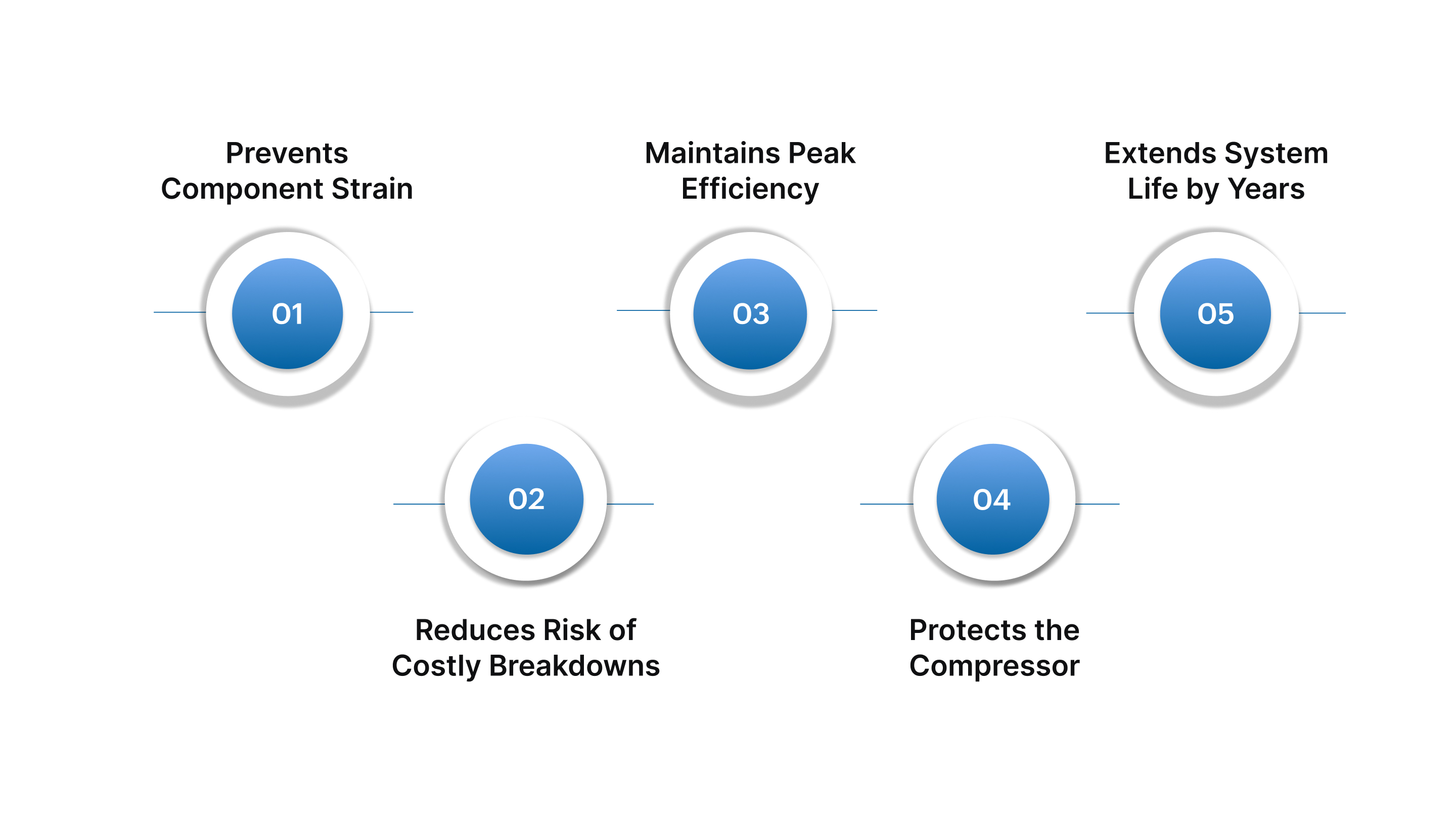
Your heat pump is a major investment, and like any mechanical system, consistent maintenance keeps it running longer and performing better.
1. Prevents Component Strain
Without cleaning and lubrication, moving parts like fans and compressors work harder than they should. This creates unnecessary stress and shortens their lifespan. Routine servicing ensures everything operates smoothly.
2. Reduces Risk of Costly Breakdowns
Most major heat pump failures start as small, preventable issues, such as refrigerant leaks or electrical faults. Technicians spot these early, avoiding emergency repairs that can cost hundreds or even thousands of dollars.
3. Maintains Peak Efficiency
Dust and grime naturally collect on coils, filters, and fans. Over time, that buildup forces your system to use more power. Regular service keeps performance steady and energy use low throughout the year.
4. Protects the Compressor
The compressor is the most expensive component of your heat pump. Low refrigerant, blocked airflow, or dirty coils can cause it to overheat and fail. Preventive maintenance protects it and your wallet.
5. Extends System Life by Years
Well-maintained heat pumps often last 15 years or more, while neglected systems may need replacement after just 8–10 years. A small investment in routine care pays off with years of reliable operation.
Local Insight: In Austin, where your heat pump runs in both seasons, skipping service can cut its lifespan in half. Regular maintenance helps your system handle heavy use and humid conditions without wearing down prematurely.
Average Cost of Heat Pump Service in Austin
Most homeowners know that regular maintenance prevents expensive repairs, but understanding what it costs helps put that investment in perspective.
In Austin, professional heat pump service typically costs between $75 and $250 per visit, depending on your system type, age, and service plan.
What’s Included in That Price
A standard maintenance visit usually covers:
Full inspection of coils, filters, electrical components, and wiring
Testing of thermostat calibration and system controls
Refrigerant level check and top-off if needed
Cleaning of the outdoor condenser and the indoor air handler
Safety and performance testing
Some companies may charge extra for refrigerant or electrical repairs, but many offer annual or biannual maintenance plans that lock in lower pricing and priority scheduling.
Long-Term Value
While skipping maintenance might save a little upfront, it often leads to much higher costs later.
Neglect can cause coil damage, compressor failure, or refrigerant leaks, repairs that can run anywhere from $400 to $1,500 or more.
A consistent service plan ensures small issues are fixed early, keeping your heat pump reliable through Austin’s demanding weather.
Pro Tip: Ask your HVAC provider if they offer membership or preventive maintenance programs. Abba HVAC offers flexible plans that include priority service, discounts, and scheduled tune-ups to save you time and money.
Call Now: +1 (737) 210-3999
DIY Maintenance vs. Professional Tune-Ups
Homeowners can handle a few simple maintenance tasks, but professional servicing ensures your system is safe, efficient, and compliant with manufacturer warranties.
Here’s how to tell what you can do yourself, and what should always be left to licensed technicians.
DIY Heat Pump Maintenance Tasks
You can safely perform these routine steps between professional visits:
Change air filters every 1–3 months to maintain strong airflow.
Keep outdoor units clear of grass, leaves, and debris for proper ventilation.
Rinse the outdoor coil gently with a garden hose (no high pressure).
Check thermostat settings to ensure accurate temperature control.
Monitor performance for unusual noises or inconsistent temperatures.
These small habits help your system run more efficiently and make professional maintenance visits more effective.
Tasks for a Professional Technician
Professional service covers the technical side, things that require training, tools, and safety knowledge:
Electrical inspection and testing to prevent shorts or faults
Refrigerant pressure checks and leak detection
Deep coil cleaning and component lubrication
Defrost cycle and compressor operation testing
Performance calibration for optimal efficiency
These steps ensure your system not only runs smoothly but also meets safety standards and manufacturer requirements for warranty protection.
Why Professional Maintenance Matters
DIY upkeep keeps your system tidy, but only a professional can detect the subtle issues that lead to breakdowns. Regular technician visits provide:
Precise performance adjustments
Warranty compliance
Early detection of worn parts or leaks
Confidence your system will perform under Austin’s summer heat or winter cold
Local Insight: Austin’s mix of heat, dust, and humidity creates conditions that accelerate wear. Professional servicing twice a year helps your heat pump stay strong through every season.
Seasonal Tips for Austin Homeowners
Austin’s weather can shift quickly — from humid heat to chilly fronts overnight. Since your heat pump runs nearly year-round, a few seasonal maintenance habits can help you stay ahead of the weather and protect your system’s efficiency.
Spring and Summer: Cooling Season Prep
Before Austin’s heat sets in, give your heat pump the attention it needs for long cooling cycles.
Clear outdoor units: Remove leaves, branches, or weeds from around the condenser. Maintain at least 2 feet of open space for proper airflow.
Replace air filters: Pollen and dust build up fast during Austin’s spring, reducing air circulation.
Check thermostat accuracy: Calibrate or test smart thermostat schedules for consistent cooling.
Schedule professional service: A spring tune-up ensures refrigerant levels, coils, and fans are ready for heavy use.
Fall and Winter: Heating Season Readiness
As the air cools, your system switches from cooling to heating mode. Fall maintenance keeps it efficient and prevents unexpected breakdowns.
Clean outdoor coils: Dirt from summer storms can trap heat and reduce efficiency.
Inspect and clean registers: Make sure indoor vents aren’t blocked by rugs or furniture.
Test the defrost cycle: Austin occasionally gets freezing mornings — your technician should confirm defrost mode activates properly.
Book your fall service early: Don’t wait for the first cold front. Preventive maintenance helps you avoid service rushes and chilly nights.
Pro Tip: Combine your fall heat pump tune-up with your furnace or HVAC inspection if you have multiple systems. It saves time and ensures your whole comfort system runs efficiently before temperature shifts.
Why Austin Homeowners Trust Abba HVAC for Heat Pump Maintenance
At Abba HVAC, we’ve been keeping homes across Greater Austin comfortable since 2007. Our experience with local weather, water conditions, and energy challenges gives us a unique understanding of what your system needs to perform reliably.
We don’t just perform quick cleanings; we provide comprehensive, precision maintenance designed to protect your investment.
When you choose Abba HVAC, you get:
Licensed and insured technicians with over 15 years of hands-on experience
Expertise in all major heat pump brands and ductless systems
Biannual maintenance plans designed specifically for Austin’s climate
Detailed service reports after every visit
24/7 emergency availability for unexpected breakdowns
Our goal is simple: to make sure your system stays efficient, reliable, and ready for Austin’s unpredictable weather. Every visit comes with our promise of “Dad-level care and professional-grade service.”
Ready to schedule your heat pump service? Call Abba HVAC today to book your spring or fall tune-up and enjoy year-round comfort with confidence.
Conclusion
A heat pump works hard to keep your Austin home comfortable through every season. But because it runs year-round, it needs care that matches its workload.
The answer to “how often should a heat pump be serviced?” is simple: twice a year, once in the spring before cooling season and once in the fall before heating season.
This routine maintenance keeps your system efficient, lowers your energy bills, and extends its lifespan. Whether it’s cleaning coils, checking refrigerant levels, or testing electrical components, consistent tune-ups protect your comfort and your investment.
At Abba HVAC, we make maintenance easy and dependable. Our trained technicians handle every detail, from precision inspection to preventive cleaning, ensuring your system performs at its best, no matter how hot or cold Austin gets.
Ready to schedule your heat pump service?
Call Now: +1 (737) 210-3999
FAQs
1. How often should I service my heat pump in Austin?
Because Austin’s heat pumps run almost year-round, you should schedule service twice a year — once before summer and once before winter.
2. What happens if I skip regular maintenance?
Skipping service can reduce efficiency by up to 25%, cause higher energy bills, and increase the risk of costly breakdowns.
3. How long does professional heat pump servicing take?
Most maintenance visits take 60 to 90 minutes, depending on system size and condition.
4. What’s included in a professional tune-up?
A typical tune-up includes coil cleaning, refrigerant checks, airflow testing, electrical inspection, and thermostat calibration.
5. How long will a heat pump last with regular maintenance?
With consistent biannual care, most heat pumps last 15 years or more — significantly longer than neglected systems.
6. Does Abba HVAC offer maintenance plans?
Yes. We provide flexible maintenance plans for Austin homeowners that include biannual tune-ups, priority service, and repair discounts.