Ever walk into a room and feel instantly uncomfortable because the air is too dry or too damp? Maintaining the right humidity in your home isn’t just about comfort. It’s essential for your health and to protect your property.
Proper humidity helps prevent dry skin, preserves furniture, and keeps your HVAC system running efficiently. It also improves overall air quality, making your home healthier and more comfortable.
In this blog, you’ll explore how to achieve and maintain the ideal humidity levels all year long.
Key Takeaways:
Keep indoor humidity between 30%-50% to stay comfortable, protect your health, and prevent damage to your home.
Maintaining proper humidity helps prevent dry skin, respiratory issues, and allergy flare-ups, supporting overall well-being.
Aim for 40–60% humidity in the bedroom to improve sleep quality by easing breathing, keeping skin hydrated, and reducing snoring.
In winter, keep humidity at 30–40% to avoid dryness, and in summer, maintain 40–50% to reduce mold and improve cooling efficiency.
Control humidity year-round using humidifiers, dehumidifiers, smart monitors, and proper ventilation to maintain a balanced indoor climate.
What’s the Perfect Humidity Level for Your Home?
The ideal humidity for your home usually falls between 30% and 50%. This range keeps you comfortable, supports your health, and helps protect your home. Here’s why this range works so well:
Comfort and Health
Humidity between 30% and 50% creates a balanced environment that’s easy on your body. The air feels comfortable, your skin stays hydrated, and your throat, eyes, and sinuses are less likely to feel dry. This range also helps prevent respiratory problems.
Energy Efficiency
High humidity makes the air feel hotter, forcing your air conditioner to work harder. Low humidity can make your home feel cooler, allowing you to turn up the heat. By keeping humidity within the optimal range, you stay comfortable at lower or moderate temperatures.
Protection for Your Home
Dry air can make wood furniture, floors, and doors crack, while too much moisture can cause them to swell or warp. Keeping humidity levels between 30% and 50% helps prevent damage and keeps your furniture, floors, and walls in good condition.
Mold and Allergen Prevention
Humidity over 50% encourages mold and mildew growth, which can trigger allergies and pose health risks. Keeping humidity under control reduces the risk of mold, mildew, and dust mites, creating a healthier indoor environment for your family.
Knowing the ideal humidity level is important, but it’s equally essential to recognize the signs that your home’s air may be too dry.
Signs Your Home Has Low Humidity

Low humidity isn’t just uncomfortable. It can affect your health, your home, and even your energy bills. Knowing the signs of low humidity can help you address it before it causes bigger problems.
Dry Skin and Irritated Eyes
One of the first signs of low humidity is dry, itchy skin. When the air becomes dry, your skin loses moisture, which can lead to dryness, flakiness, or even cracking. Your eyes can also become dry and irritated, especially if you spend long hours in front of screens, causing itching, redness, or mild pain.
Static Electricity
If you’re getting more static shocks than usual, low humidity could be the reason. Dry air allows electrons to build up on surfaces, leading to static electricity. You might notice your clothes clinging to you or small shocks when touching metal objects or even other people.
Increased Respiratory Irritation
Dry air can irritate your respiratory system. Your throat might feel scratchy, especially in the mornings. Low humidity can worsen conditions like asthma, sinusitis, or allergies. Dry nasal passages may also cause frequent nosebleeds or a constant feeling of congestion.
Wooden Furniture and Floors Cracking or Warping
Wood reacts strongly to low humidity. Wooden furniture, flooring, and beams can shrink or crack as moisture evaporates. You may see gaps between floorboards or cracks in furniture edges, which can damage your home’s structure and appearance over time.
Dry or Cracked Indoor Plants
Indoor plants, especially tropical varieties, need moisture to thrive. If the air is too dry, leaves may brown at the edges, wilt, or fall off, and soil can dry out quickly, even with regular watering.
Cold and Drafty Feeling
Dry air can make your home feel colder than it really is. It affects how heat spreads throughout your space, making rooms feel drafty, particularly during winter when your heating system is running.
Condensation Issues on Windows
While condensation is usually linked to high humidity, very dry air can create a different kind of imbalance. You may notice fogged-up windows in the mornings or after a shower because moisture inside the home evaporates unevenly, making the air feel stuffy.
While low humidity can cause dryness and discomfort, too much moisture in the air can bring its own problems for your home and your health.
Signs Your Home Has High Humidity
High humidity can affect your home’s structure and your health. Unlike dry air, too much moisture shows up in visible and physical signs around your home. Spotting these early helps you take action before bigger problems develop.
Damp, Musty Odors
A musty, damp smell is often the first sign of high humidity. Mold and mildew grow in moist environments, so if you notice a stale odor in basements, bathrooms, or closets, it’s a sign your home’s humidity is too high.
Mold and Mildew Growth
High humidity creates the perfect environment for mold and mildew. They can grow on walls, ceilings, floors, wallpaper, fabric, or wood. Look for patches in moisture-prone areas, such as bathrooms, kitchens, and behind furniture and appliances.
Condensation on Windows
Fogged-up windows or water droplets on glass are clear indicators of high humidity. Warm, moist air hitting cooler surfaces causes condensation. While some winter condensation is normal, seeing it frequently in other seasons indicates your home’s air is too humid.
Sweating Walls and Ceilings
In extreme cases, walls or ceilings may “sweat”, become visibly damp, like a cold drink on a hot day. This happens when moisture in the air condenses on cooler surfaces and can eventually lead to paint peeling, wood warping, or mold growth.
Warping or Buckling Wooden Floors
Wood absorbs moisture in humid air, causing it to swell, warp, or buckle. You might notice floorboards that no longer lie flat or gaps that have widened. If left unchecked, this can result in long-term damage and costly repairs.
Peeling Paint or Wallpaper
Excess moisture can weaken adhesives, leading to paint chipping or wallpaper lifting. Rooms that are prone to humidity, like bathrooms and kitchens, often face this problem first.
Increased Allergies and Respiratory Issues
High humidity encourages mold, dust mites, and other allergens, which can worsen respiratory problems. If you notice more sneezing, coughing, or difficulty breathing, high moisture levels could be the cause, especially for those with asthma or allergies.
Feeling Sticky or Sweaty
Humid air makes it feel hotter than it really is. You might feel sticky, uncomfortable, or sweaty, even at moderate temperatures. Poorly ventilated areas often make this feeling worse.
Dust Mites and Other Pests
High humidity creates the perfect conditions for dust mites and some pests, such as cockroaches, to grow. These creatures grow in moisture and can trigger allergy symptoms.
Uncomfortable Sleep Conditions
Too much humidity can make it hard to sleep. If you wake up sweaty, sticky, or overheated, your bedroom may be too humid. Humid air prevents sweat from evaporating, making it feel warmer and harder to cool down at night.
Once you know the signs of high humidity, the next step is learning how to maintain the right balance for a comfortable and healthy home.
How to Keep Ideal Humidity Levels in Your Home?
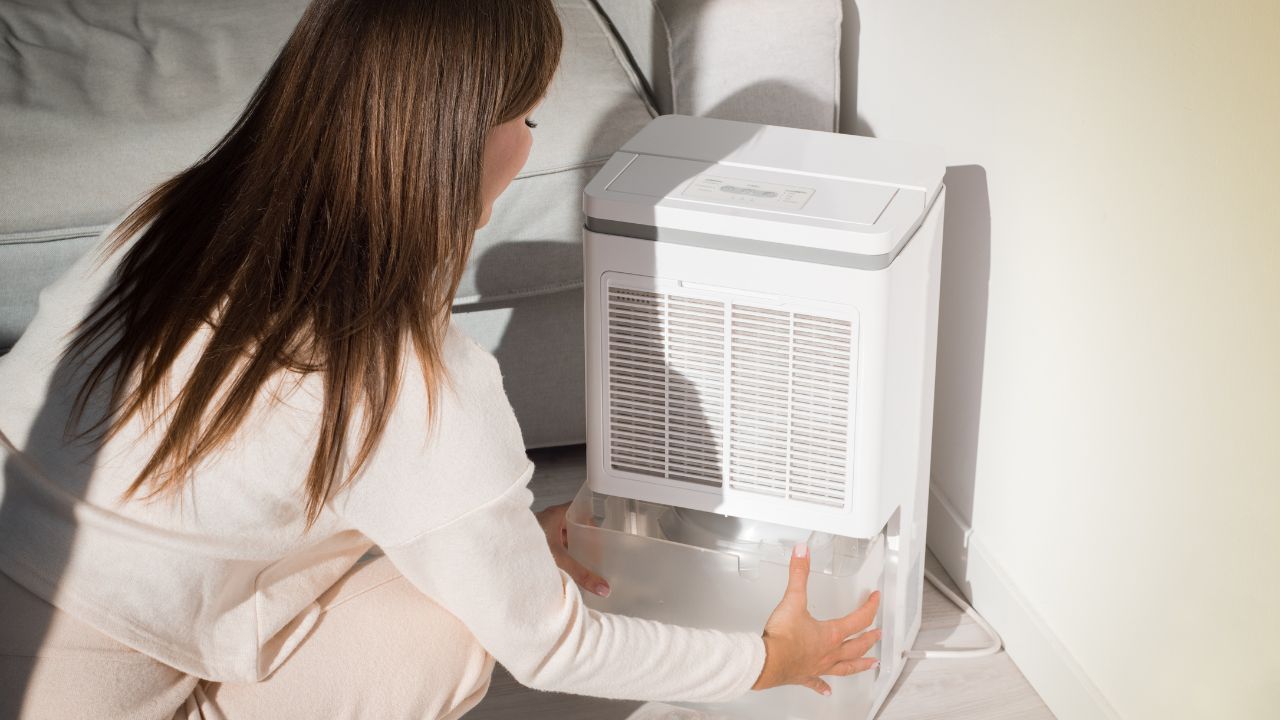
Maintaining the right humidity in your home is essential to comfort, health, and the protection of your property. If you’re dealing with dry winter air or sticky summer heat, keeping humidity between 30% and 50% makes a big difference. Here are some practical ways to reach and maintain the ideal levels:
Use a Hygrometer to Measure Humidity
Start by knowing your home’s humidity. A hygrometer is an easy device that measures relative humidity. Keep one in key rooms, such as the living room, bedroom, or basement. Monitoring your humidity lets you make adjustments before problems start.
Invest in a Humidifier or Dehumidifier
In dry winters, a humidifier adds moisture to the air, helping prevent dry skin, itchy eyes, and breathing discomfort. You can choose a portable unit or a whole-house humidifier connected to your HVAC system.
In humid summers or damp areas, a dehumidifier removes excess moisture. This keeps the air comfortable and reduces the risk of mold. Focus on areas like basements, bathrooms, and kitchens where moisture tends to accumulate.
Use Exhaust Fans in High-Humidity Areas
Bathrooms and kitchens often have spikes in humidity. Use exhaust fans after showers or cooking to pull moisture out of the air. If you don’t have fans, consider installing them. They make a big difference in preventing mold and mildew.
Improve Ventilation Throughout Your Home
Good airflow keeps humidity balanced. Open windows when you can, and use ceiling fans to circulate air. On dry days, short bursts of fresh air can help, especially in cooler parts of the day.
Seal Gaps and Leaks
Moisture can sneak in through cracks around windows, doors, or walls. Sealing these gaps keeps humidity stable and prevents your heating or cooling system from overworking..
Adjust Your Thermostat
Your HVAC system can help control humidity. In winter, keep the thermostat at a comfortable level and run a humidifier if the air feels dry. In summer, air conditioning can both cool your home and reduce excess moisture, keeping it comfortable.
Add Indoor Plants
Indoor plants naturally release moisture through transpiration. Tropical plants like ferns, peace lilies, and spider plants can gently raise humidity. Just don’t overcrowd a small space, or you might create too much moisture.
Consider a Whole-House Humidity Control System
If you struggle to maintain consistent humidity or live in an area with large seasonal swings, a whole-house humidity system can help. It works with your HVAC to keep ideal levels throughout your home year-round.
Dry Clothes Outside or Use a Ventilated Dryer
Drying clothes indoors adds significant moisture to the air. Whenever possible, dry clothes outside or use a vented dryer to direct moisture outdoors. If indoor drying is necessary, ventilate the room and consider running a dehumidifier.
Monitor Humidity During Seasonal Changes
Humidity changes with the seasons. Winter heating dries the air, while summer heat and rain can raise moisture levels. Adjust your methods accordingly; humidifiers in winter, dehumidifiers in summer, and ventilation tweaks as needed.
Need Expert Help Balancing Your Home’s Humidity? Abba HVAC Is Here 24/7
Struggling with dry air, excess moisture, or rooms that never feel quite comfortable? Abba HVAC’s licensed technicians provide full-service humidity control across the Greater Austin area, helping you maintain the perfect balance for comfort, health, and energy efficiency.
Contact us today for professional humidity assessment, system calibration, or whole-house humidity control.
Best Humidity Levels for Winter and Summer
Maintaining the right humidity in your home is essential for year-round comfort and health. The ideal humidity varies with the seasons, depending on air temperature and moisture.
Winter
During winter, the air tends to be dry, so aim for 30% to 40% humidity. This helps:
Prevent dry skin, itchy eyes, and respiratory discomfort.
Keep rooms feeling warmer, since dry air can make your home feel colder.
Protect wood furniture, floors, and doors from cracking due to dryness.
Summer
In summer, humidity naturally rises, so aim for 40% to 50% humidity. This helps:
Keep the air feeling cooler, as proper humidity helps your body cool itself through sweat evaporation.
Reduce mold and mildew growth in moist environments.
Prevent wood from swelling and minimize moisture-related damage in your home.
By adjusting your home’s humidity with the seasons, you can stay comfortable, protect your property, and support your health year-round.
Best Humidity Levels for a Good Night’s Sleep
For a truly restful night, aim to keep the humidity in your bedroom between 40% and 60%. This range creates the perfect environment for uninterrupted, comfortable sleep and comes with several benefits:
Easier Breathing: Proper humidity keeps your nasal passages and throat moist, preventing dryness or irritation that can wake you up at night.
Healthy Skin: Balanced humidity stops your skin from getting too dry or sweaty, so you wake up feeling refreshed.
Fewer Allergies and Less Snoring: The right moisture level reduces allergens like dust mites and mold, helping keep your airways clear and reducing snoring.
Better Temperature Comfort: Humidity helps your bedroom feel comfortable, allowing your body to naturally regulate its cooling process while you sleep.
Knowing the ideal humidity for each season is important, but controlling it requires effective measurement and monitoring.
Easy Ways to Measure and Monitor Humidity at Home
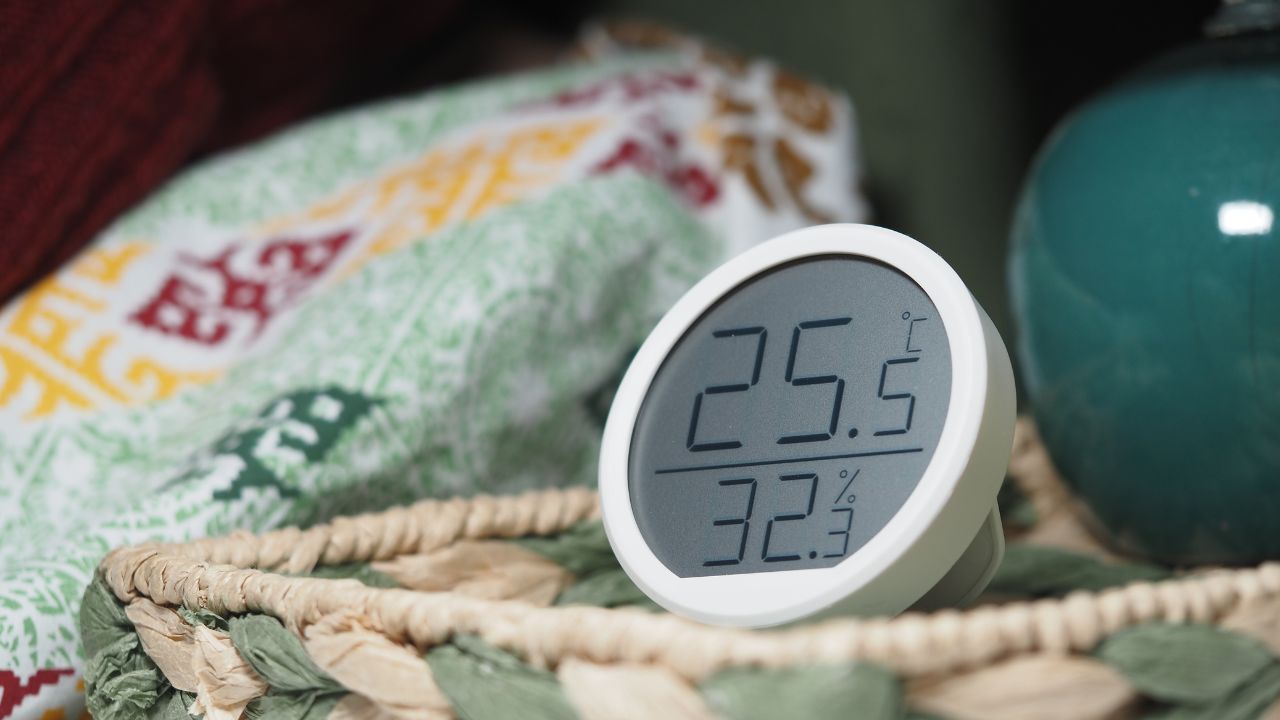
Keeping an eye on your home’s humidity is important for your comfort, health, and the overall condition of your home. The good news is that there are plenty of easy ways to measure and track humidity levels. Here are simple methods you can try:
Look for Physical Signs
Even without a device, your home often gives you clues about humidity levels. Here’s what to watch for:
Low humidity: Dry skin, static shocks, cracking wood furniture, or condensation on windows in the morning.
High humidity: Musty smells, visible mold, condensation on walls or windows, or a heavy feeling in the air.
This method isn’t exact, but it helps you get a general idea of whether your air is too dry or too damp.
Try the DIY Ice Cube Test
Here’s a quick way to estimate humidity without any equipment:
Fill a glass with cold water and ice cubes.
Place it on a counter in the room you want to test.
Wait for about five minutes.
If water droplets form on the outside of the glass, the humidity is high. If the glass stays dry, the humidity is likely low. It’s a simple trick, though not as precise as a hygrometer.
Add a Smart Humidity Monitor
If you use smart home devices, you can install a humidity monitor that works with your system. Many smart humidifiers and dehumidifiers connect with thermostats, sensors, or apps, letting you monitor and control humidity directly from your phone.
These devices alert you when humidity levels rise or drop too much, so you don’t have to keep checking manually.
Check Outdoor Humidity with a Weather App
While weather apps don’t show indoor humidity, they do show outdoor levels, which can still be useful. Comparing outdoor humidity with how your home feels inside can help you decide when to run a humidifier or dehumidifier.
If outdoor humidity is much higher or lower than indoor humidity, adjust your indoor humidity accordingly.
How Can Abba HVAC Help You Achieve Perfect Humidity for Your Home?
Keeping the right humidity level in your home is essential for comfort, health, and protecting your space from moisture damage. Whether you need to add or remove humidity, Abba HVAC helps you create the perfect balance by improving air quality, comfort, and energy efficiency all year round.
Why Choose Abba HVAC?
Expert Humidity Control Solutions: Our licensed technicians evaluate your home’s needs and recommend the best solution to maintain the ideal humidity level in every season.
Energy-Efficient Systems: We offer energy-efficient options that effectively regulate humidity without increasing your energy costs, helping you stay comfortable while saving money.
Customized Recommendations: Every home and climate is different. Our team considers local weather and your specific home conditions to design a humidity control plan that perfectly suits your lifestyle.
Comprehensive Indoor Air Quality Services: Our indoor air quality solutions include advanced filtration and ventilation systems to keep your air clean, fresh, and healthy for your family.
Preventive Maintenance Plans: Regular tune-ups keep your humidity control systems running efficiently and help prevent costly repairs. Our maintenance plans are designed to keep your comfort consistent year after year.
With Abba HVAC, every visit brings comfort, care, and lasting results. We will help you create the perfect indoor environment with humidity levels that support your family’s health, comfort, and well-being.
Final Thoughts
Keeping your home’s humidity between 30% and 50% is key to comfort, health, and the protection of your property. The right humidity helps prevent dry skin, respiratory problems, and mold growth, while also keeping furniture and floors in great shape.
Whether you’re a homeowner or manage a business, maintaining proper humidity ensures a healthier environment and a more comfortable living or working space. Simple steps, such as using humidifiers or dehumidifiers and regularly checking humidity levels, can make a significant difference.
At Abba HVAC, we make every service call count. Our licensed technicians can help you achieve the ideal humidity levels, ensuring your system works efficiently and maintains a healthy environment year-round.
Call Abba HVAC today to schedule service, request expert diagnostics, or set up a preventive maintenance plan to keep your system running smoothly all year long.
FAQs
Q1. How does humidity affect my home’s furniture?
A1. High humidity can make wooden furniture swell and warp, while low humidity can cause cracking and shrinking. Maintaining indoor humidity between 30%-50% helps safeguard the shape and structure of wooden furniture and other sensitive materials.
Q2. Can humidity affect my home’s paint?
A2. Yes, humidity can damage paint. Too much moisture can make paint bubble or peel, while dry air can cause cracks. Maintaining the right humidity level helps your paint last longer.
Q3. What’s the best way to control humidity in a basement?
A3. Basements often have higher humidity because of poor ventilation. Using a dehumidifier, adding exhaust fans, and sealing leaks are the best ways to keep basement humidity under control.
Q4. How do I prevent mold growth due to humidity?
A4. Mold thrives in damp environments. To prevent it, keep humidity between 30% and 50%, use dehumidifiers in moist areas, ensure good ventilation, and fix leaks promptly.
Q5. Is it necessary to have a humidifier or dehumidifier in every room?
A5. It depends on the room and its use. Bedrooms or living rooms may only need a small portable unit, while basements or bathrooms might require stronger, dedicated systems. Whole-house systems are also an option for consistent control.