_________________________________________________________________________________________
Is your heat pump performing at its best, or are you facing costly downtime and inefficient operation? In Texas, where temperatures can fluctuate drastically, heat pumps work hard year-round, making frequent maintenance crucial to keep them running smoothly. Without proper care, these systems can quickly become a drain on energy and resources.
Neglecting regular service leads to higher costs, increased risk of breakdowns, and reduced system lifespan. For businesses and homeowners in Texas who rely on consistent comfort, maintenance is essential to avoid disruptions and ensure reliable performance.
In this article, let's explore why heat pumps require frequent servicing and how proactive maintenance can increase efficiency, reduce costs, and extend the life of your system.
Key Takeaways
Frequent maintenance is essential for heat pumps due to their complexity and year-round operation.
Regular inspections of key components like compressors and valves prevent major failures.
Monitoring refrigerant levels and airflow ensures optimal efficiency and performance.
Neglecting maintenance increases energy costs and reduces system lifespan.
Abba HVAC is a full-service HVAC contractor, offers reliable maintenance services to keep your heat pump running smoothly year-round.
How Heat Pumps Work?
Heat pumps are an essential part of HVAC systems, providing both heating and cooling by transferring heat between the indoors and outdoors. They work year-round to maintain comfortable temperatures, making them an energy-efficient solution for homes and businesses.
How It Works:
Heating Mode: The heat pump extracts heat from the outdoor air and transfers it inside. Even in cooler weather, it can still absorb heat, making it effective for heating.
Cooling Mode: The heat pump reverses the process, extracting heat from the indoor air and releasing it outside, providing cooling during the warmer months.
Reversing Valve: This valve controls the direction of refrigerant flow, switching between heating and cooling modes as needed.
Compressor and Expansion Valve: These components regulate the refrigerant pressure, allowing it to absorb or release heat depending on the mode.
Understanding how these components interact highlights the importance of keeping the system well-maintained.
Now that we know how a heat pump works, let's explore the common issues that can affect its performance and why they need regular attention.
Common Issues That Impact Heat Pump Performance
Even with regular use, heat pumps can face various issues that affect their efficiency and overall performance. These problems, if left unchecked, can lead to higher energy bills and costly repairs.
Here are the common issues:
Refrigerant Leaks: Low refrigerant levels can cause the system to work harder, reducing efficiency and cooling or heating capacity.
Dirty Coils: Both evaporator and condenser coils can accumulate dirt, reducing the heat exchange efficiency and increasing energy consumption.
Frozen Coils: In heating mode, low refrigerant or poor airflow can cause the evaporator coils to freeze, disrupting performance.
Faulty Thermostats: An improperly calibrated thermostat can cause the heat pump to cycle frequently or fail to reach the desired temperature.
Clogged Air Filters: Blocked filters restrict airflow, causing the system to strain and reducing its ability to regulate temperature effectively.
Now that you know the common issues, let's take a closer look at how these problems can be prevented through regular maintenance and proactive care.
Why Do Heat Pumps Need Frequent Maintenance?
Heat pumps are vital for maintaining comfort throughout the year, handling both heating and cooling. Due to their continuous operation and the complexity of their components, they require regular maintenance to perform optimally.
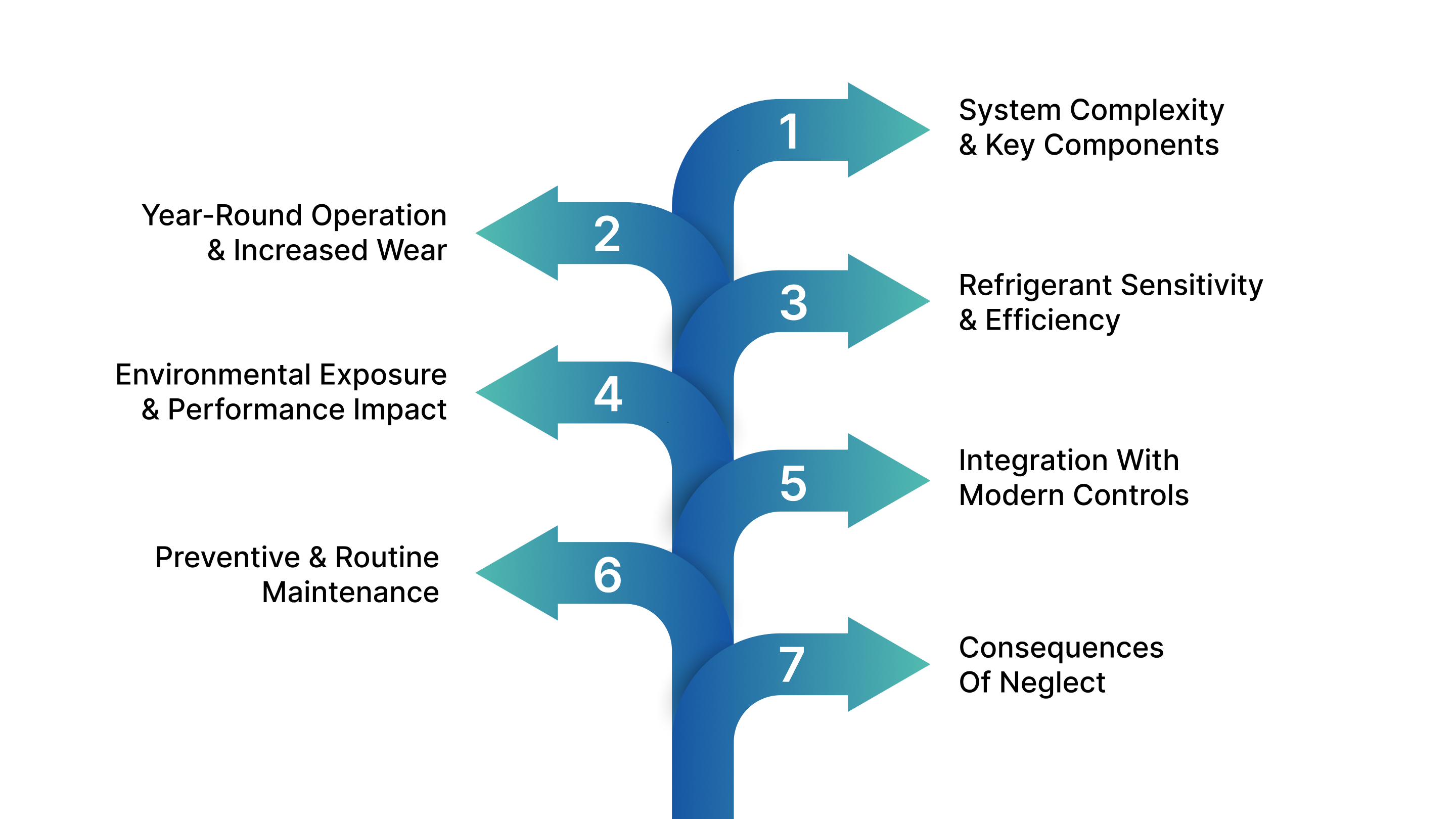
Let's look into the key reasons why frequent maintenance is essential:
System Complexity and Key Components
Heat pumps are made up of several critical components that work together to provide efficient heating and cooling. These systems are complex, and proper maintenance of these parts is essential to avoid failure and maintain optimal performance.
Here's a breakdown of the key components and how they affect your system:
Compressors: Circulate refrigerant throughout the system. A malfunctioning compressor can cause complete system failure, making cooling or heating impossible.
Expansion Valves: Regulate refrigerant flow. Faulty valves can lead to inefficient temperature regulation and increased energy consumption.
Reversing Valve: Switches the system between heating and cooling modes. A damaged valve can lock the system in one mode, disrupting comfort.
Fans and Airflow Components: Ensure proper airflow. Blocked or damaged fans can reduce efficiency and strain the system.
Sensors: Monitor temperature and system performance. Miscalibrated sensors can cause inaccurate temperature readings, forcing the system to work harder.
What You Can Do:
Inspect and clean key components (compressors, expansion valves, reversing valves) during routine service to ensure proper function.
Replace or clean air filters regularly to maintain good airflow and prevent damage to the system.
Calibrate sensors to ensure accurate temperature readings, preventing unnecessary system strain.
Pro Tip: To extend the life of your heat pump, schedule annual inspections for the compressor and expansion valves. Early detection of minor issues can prevent costly repairs and maximize system efficiency.
Year-Round Operation and Increased Wear
Heat pumps work continuously, providing both heating in the winter and cooling in the summer. Unlike seasonal HVAC systems, this year-round operation puts additional strain on components, leading to accelerated wear and tear.
What You Can Do:
Check and calibrate the reversing valve: This critical component switches between heating and cooling modes. Ensure it operates smoothly to avoid excessive wear during frequent cycling between the two functions.
Monitor the compressor's performance: The compressor is under constant stress due to continuous use. Regular checks ensure that it is running at optimal capacity and help prevent breakdowns from overheating or malfunction.
Ensure proper defrosting functionality: In winter, the defrost mechanism needs to work efficiently to prevent ice buildup. Regular checks ensure that the system doesn't work harder than necessary, reducing energy consumption and wear on the compressor.
Refrigerant Sensitivity and Efficiency
Heat pumps are highly sensitive to refrigerant levels, as refrigerant plays a crucial role in transferring heat between the indoors and outdoors. Even a slight loss of refrigerant can significantly reduce the efficiency of the system, causing it to work harder and consume more energy.
What You Can Do:
Check refrigerant charge levels: Low refrigerant levels can reduce cooling and heating efficiency. A certified technician should perform regular pressure tests to ensure the refrigerant charge is within manufacturer specifications.
Inspect refrigerant lines for leaks: Leaks in the refrigerant lines can cause a gradual loss of refrigerant, reducing system efficiency. Look for oily spots or frost around the outdoor unit or refrigerant lines to detect slow leaks.
Test and clean the evaporator and condenser coils: Dirty coils can reduce the heat transfer efficiency of the heat pump. Ensure that coils are cleaned regularly to avoid blocking airflow and compromising refrigerant efficiency.
Facing Issues with Refrigerant Maintenance?
If you're experiencing inefficiency or refrigerant leaks, Abba HVAC is here to help. Serving the Greater Austin area, our certified technicians provide expert refrigerant maintenance to keep your heat pump running efficiently year-round.
Environmental Exposure and Performance Impact
Outdoor components of heat pumps are constantly exposed to various environmental factors such as dirt, debris, ice, and moisture. These elements can significantly impact the system's performance if not regularly maintained.
What You Can Do:
Clear debris from the outdoor unit: Regularly remove leaves, twigs, and dirt around the outdoor unit to prevent airflow obstruction and ensure optimal system performance.
Protect the unit from moisture buildup: Ensure the outdoor unit has proper drainage to avoid moisture accumulation, which can lead to corrosion or freezing in critical parts.
Inspect outdoor coils and fins: Check for any visible damage or dirt on the coils and fins. Clean them regularly to maintain efficient heat exchange and prevent reduced performance.
Integration with Modern Controls
Modern heat pumps rely on advanced control systems, including smart thermostats, variable-speed compressors, and energy management tools. While these features improve performance and efficiency, they require regular inspection and calibration to ensure they continue to function at peak capacity.
What You Can Do:
Calibrate smart thermostats: Ensure the thermostat is correctly set to avoid incorrect temperature regulation and inefficient cycling.
Monitor variable-speed compressors: These compressors adjust based on load, optimizing energy use. Regular checks ensure smooth operation and prevent unnecessary strain.
Check energy management settings: Ensure integrated energy management systems are properly configured for optimal performance. Outdated software or misconfigurations can cause inefficiencies.
Pro Tip: Given the complexity of modern controls, it's essential to have a professional HVAC technician handle inspections and recalibrations. Regular service ensures all settings are optimized, preventing inefficiencies and extending system lifespan.
Preventive and Routine Maintenance
Preventive and routine maintenance are critical to keeping your heat pump running at optimal efficiency. Regular servicing helps identify minor issues before they escalate into major problems, reducing downtime and preventing costly repairs.
What You Can Do:
Schedule regular system inspections: Have a professional technician check critical components, such as refrigerant levels, coils, and sensors, to ensure everything is functioning properly.
Clean coils and check airflow: Dirty coils and blocked airflow can severely impact efficiency. Regular cleaning prevents buildup and ensures smooth operation.
Replace filters regularly: Air filters should be replaced every 30-60 days to prevent clogging, which can reduce airflow and stress the system. Abba HVAC offers expert maintenance to ensure your system stays efficient and reliable.
Consequences of Neglect
Neglecting regular maintenance for your heat pump can lead to serious performance issues. Over time, small problems like dirty filters or low refrigerant levels can compound, causing more expensive damage to key components such as compressors and reversing valves.
Failure to maintain your heat pump can also shorten its lifespan, meaning you'll face unexpected replacements and increased capital expenditures. Regular servicing not only saves you money on repairs but also helps avoid sudden breakdowns during critical times.
By staying on top of your maintenance, you can prevent these costly outcomes and ensure a more efficient, longer-lasting system.
Keep Your Heat Pump Running Smoothly - Leave the Maintenance to Us
Heat pump issues, from reduced performance to sudden breakdowns, can disrupt your comfort when you need it most. The frustration of dealing with inefficient heating or cooling, especially during extreme weather, is something every homeowner and business owner wants to avoid.
That's where Abba HVAC comes in. With over 15 years of experience, we deliver dad-level care with professional-grade HVAC service throughout the Greater Austin and Central Texas areas. Our licensed technicians ensure your system operates efficiently, preventing costly repairs and extending its lifespan.
Why businesses and homeowners trust Abba HVAC:
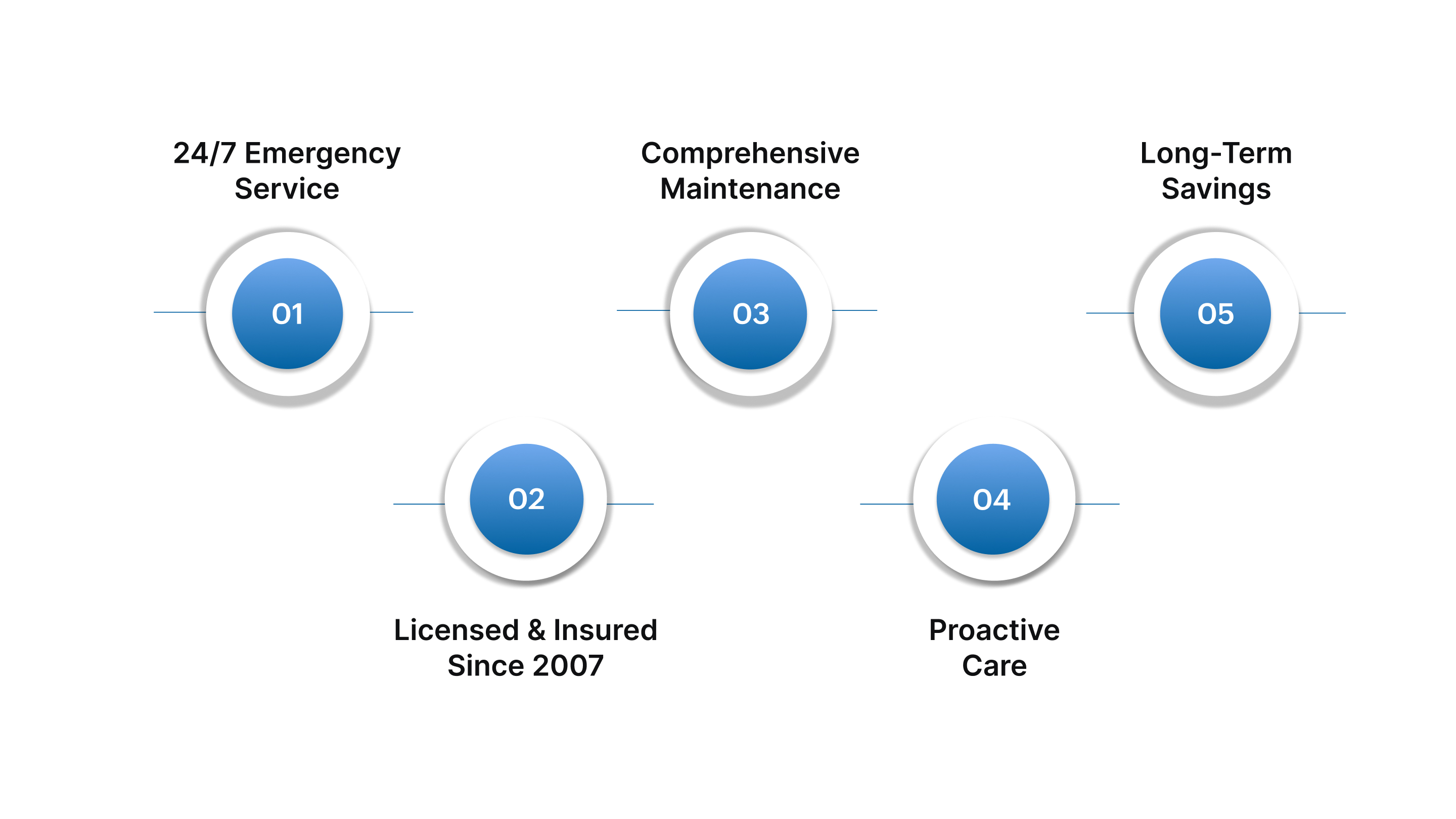
24/7 Emergency Service: We're always ready to restore comfort when your heat pump fails unexpectedly.
Licensed & Insured Since 2007: Rest easy knowing our experienced technicians handle your system with care.
Comprehensive Maintenance: From refrigerant checks to system calibrations, we cover every aspect of your heat pump's performance.
Proactive Care: Our routine checks prevent problems before they escalate, saving you money in the long run.
Long-Term Savings: Regular servicing helps improve energy efficiency, reduce operating costs, and extend the life of your system.
Abba HVAC is your trusted partner for efficient, reliable heat pump maintenance across Austin, Cedar Park, Round Rock, Georgetown, Leander, Pflugerville, and the entire Central Texas area.
Wrapping Up
Heat pumps require frequent maintenance to ensure they run efficiently, reduce energy costs, and prevent unexpected breakdowns. Regular servicing helps extend their lifespan and avoid costly repairs.
Abba HVAC has been providing expert HVAC services across the Greater Austin and Central Texas areas since 2007. Our licensed technicians offer 24/7 emergency service and proactive maintenance to keep your heat pump operating at its best.
Contact Abba HVAC today to schedule a service, get expert diagnostics, or set up a preventive maintenance plan to keep your system running smoothly year-round.
FAQs
How often should I schedule maintenance for my heat pump?
It's best to schedule maintenance twice a year, before the heating season and cooling season. This helps keep your heat pump efficient and reduces the risk of unexpected breakdowns.
What are the signs that my heat pump needs maintenance?
Look for signs like reduced airflow, strange noises, or inconsistent temperatures. Higher energy bills or frequent cycling are also indicators that maintenance is needed.
Can I perform maintenance on my heat pump myself?
Basic tasks like changing filters can be done by homeowners, but most maintenance tasks, like refrigerant checks and system calibration, should be handled by professionals.
What are the benefits of preventive maintenance for my heat pump?
Preventive maintenance improves efficiency, reduces energy costs, and helps avoid expensive repairs. It also extends the lifespan of your heat pump.
How does environmental exposure affect my heat pump's performance?
Dirt, debris, and moisture can reduce efficiency and cause damage. Regular cleaning of outdoor units and inspections prevents these issues and keeps your system running smoothly.