
Is your HVAC system running as efficiently as it should? If you’ve noticed rising energy bills or uneven heating and cooling, your HVAC system could be the reason. Over time, dust, debris, and even mold can accumulate in your ducts and components, forcing the system to work harder than it should and reducing its overall performance.
Regular HVAC cleaning can make a big difference here by restoring efficiency, improving indoor air quality, and extending your system’s lifespan. So, how much does it actually cost, and what determines the price?
In this blog, you’ll explore the main factors that influence HVAC cleaning costs, and learn tips on finding a reliable service for your home or business.
Key Takeaways:
Regular HVAC cleaning removes dust and debris, helping your system run more efficiently and lowering energy bills by up to 15%.
Cleaning eliminates dust, allergens, and mold, creating healthier air, which is essential for anyone with respiratory issues.
Routine cleaning reduces wear and tear, extending your HVAC system's lifespan and helping you avoid costly repairs.
Additional services, such as duct sealing, mold remediation, or dryer vent cleaning, can increase the total cost of your HVAC cleaning.
Hiring licensed, experienced professionals ensures a thorough cleaning, prevents damage, and keeps your system healthy for the long term.
What Affects the Cost of HVAC Cleaning?
Learning what affects HVAC cleaning costs can help homeowners and business owners in the Greater Austin area make smarter decisions about maintaining their systems. While prices can vary, knowing these key factors helps you get a realistic estimate and avoid surprises.
Size and Complexity of the HVAC System
Bigger homes or commercial spaces usually have larger HVAC systems, which means more ducts, vents, and sometimes multiple units to clean. Systems with multiple zones, custom ductwork, or humidifiers or air purifiers are more complicated to clean. The more complex the system, the higher the cost and cleaning time.
Number of Vents and Ducts
Every supply and return vent is an access point that needs cleaning. Some companies charge per vent, so a higher number can increase the overall cost. Extensive ductwork, especially in larger or multi-story buildings, takes longer and requires more labor to clean, which affects pricing.
Accessibility of Ductwork
Ducts in basements, utility rooms, or attics with clear access are quicker and simpler to clean, keeping costs lower. On the other hand, ducts hidden in crawl spaces, behind walls, or in high ceilings may require extra labor, specialized equipment, or even temporary access points, which can raise labor costs.
Condition of the Ducts
Ducts with significant buildup, mold, or pest infestations require more intensive cleaning methods, such as HEPA vacuuming or antimicrobial treatments, which can increase the price.
Type of Ductwork
Metal ducts are usually easier to clean and less prone to damage, making the cleaning process straightforward. Flexible ducts need careful handling and specialized tools to avoid damage, which can increase cleaning time and cost.
Additional Services
Services like dryer vent cleaning, mold remediation, antimicrobial treatments, or duct sealing improve air quality and efficiency but will increase the overall price. Many companies offer bundled cleaning services at discounted rates, making them more cost-effective.
Geographic Location
Pricing can vary based on the local cost of living and demand for HVAC services in your area. Higher demand or living costs often translate to higher prices. If the service provider is coming from outside the immediate area, travel time and associated expenses may be added to the total cost.
Once you know the factors that influence HVAC cleaning costs, it’s easier to understand the typical price range.
Average Costs for HVAC Cleaning
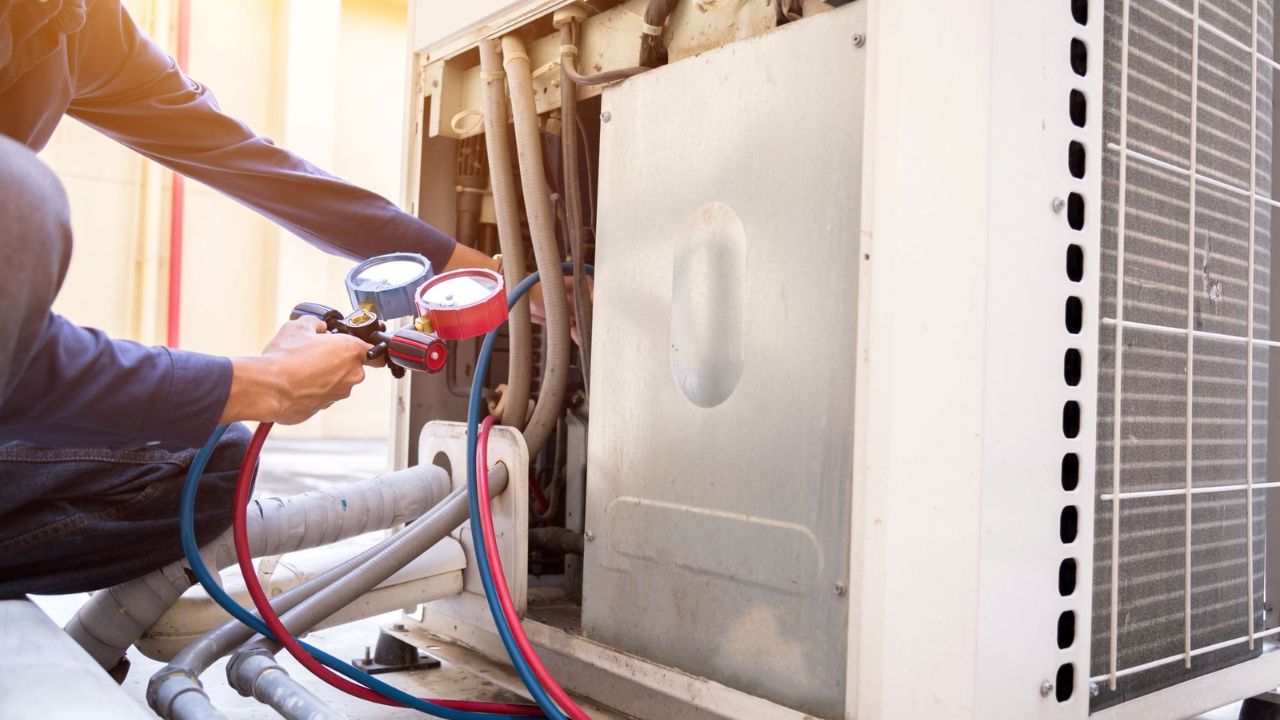
Understanding the pricing can help homeowners and business owners make informed choices about maintaining their systems. While costs can vary based on many factors, here’s a general breakdown to guide you.
For Residential Systems:
If you live in a typical single-family home, HVAC cleaning usually costs between $300 and $800, with most homeowners paying around $400. This usually includes cleaning air ducts, vents, and other related components.
For Commercial Systems:
For small to mid-sized commercial properties, the cost typically ranges from $600 to $1,200, depending on the system’s size and complexity.
DIY cleaning may sound like a money-saver, but it’s rarely as effective as a professional job. Experts use specialized tools to clean every corner of your system, improving both performance and indoor air quality.
Need Expert HVAC Cleaning Help? Abba HVAC Is Here 24/7
If your HVAC system hasn’t been cleaned in a while or it’s struggling to keep your home comfortable, it’s probably time to call in the professionals. Abba HVAC’s licensed technicians provide thorough HVAC cleaning services for homes and businesses throughout the Greater Austin area.
Contact us today for quick, professional HVAC cleaning and keep your system running at its best all year round!
In addition to the average cleaning costs, homeowners should be aware of a few extra expenses.
Extra Costs to Keep in Mind
While HVAC cleaning is an excellent investment in your home’s comfort and air quality, sometimes a few extra services are needed to keep your system running at its best. Here’s a quick look at some potential add-on costs and why they matter.
Duct Sealing
Leaky ducts can waste energy and reduce your system’s efficiency by letting conditioned air escape. Sealing those leaks can make a big difference in performance and energy savings.
Manual Sealing: Done using mastic sealant or metal tape, typically costs $200–$500.
Aeroseal Technology: A more advanced option that seals leaks from the inside, averaging around $1,300.
Mold Remediation
If mold is found inside your HVAC system, professional cleaning and treatment are needed to remove spores and prevent regrowth.
Typical Cost: Between $600 and $2,000, depending on how widespread the contamination is and the size of your system.
Dryer Vent Cleaning
Clogged dryer vents don’t just reduce appliance efficiency. They can also become a fire hazard. Although not part of standard HVAC cleaning, it’s smart to have them cleaned at the same time.
Typical Cost: Around $125–$300.
Filter Replacement
Clean filters are key to good airflow and indoor air quality. Regular replacement helps your HVAC system run more efficiently and last longer.
Cost Range: From $10 to $100+, depending on filter type and quality.
System Maintenance or Repairs
During cleaning, technicians may uncover worn parts or inefficiencies that need attention. Taking care of these early can save you from bigger problems later.
Minor Repairs: Usually cost $200–$700.
Major Repairs: Can exceed $1,000, depending on the issue.
Knowing the benefits of HVAC cleaning makes it easier to see why choosing a reliable service is so important for maintaining your system.
Why HVAC Cleaning Is Worth It?
Cleaning your HVAC system might seem like an extra expense, but it’s actually a smart investment for your home or business. Regular cleaning keeps your space comfortable, improves health, and can save you money over time. Here’s why keeping your HVAC system clean is worth every penny:
Improved Indoor Air Quality
Over time, dust, debris, mold, and allergens build up inside your HVAC system. These particles then circulate throughout your home or office, affecting the air you breathe. Regular HVAC cleaning removes these contaminants, helping to maintain clean and healthy air.
Enhanced Energy Efficiency
A clogged or unclean HVAC system has to work harder to push air through clogged ducts and filters, which increases energy consumption. Routine cleaning removes the buildup that blocks airflow, allowing your system to operate more efficiently.
Prolonged System Lifespan
When critical components like coils, fans, and filters accumulate dirt, the HVAC system can overheat or malfunction. Routine cleaning ensures your HVAC operates smoothly, helping you avoid costly repairs or early replacements.
Better Comfort and Consistent Temperatures
Dirty filters and ducts can cause uneven heating and cooling, hot or cold spots, and inconsistent airflow. Cleaning your system ensures balanced air circulation, so your space stays cozy during Austin’s hot summers and warm during cooler months.
Fewer Repairs and Maintenance Costs
Regular cleaning helps spot potential problems and resolve them before they become expensive repairs. For instance, removing dust from the system can prevent components from overheating or breaking down.
Helps with Odor Removal
If your HVAC system hasn’t been cleaned in a while, it may start circulating unpleasant odors, such as stale air, mold, or mildew. These smells often result from moisture buildup in ducts or dirty filters. Regular cleaning eliminates these odors, leaving your home or business smelling fresh and clean.
Increased Property Value
Potential buyers are mostly impressed by an HVAC system that’s been regularly serviced, as it's seen as a sign of proper maintenance. Additionally, an energy-efficient, well-functioning system can make your property more attractive to buyers.
Once you understand why HVAC cleaning is worthwhile, it's helpful to know how to maximize the benefits of HVAC cleaning services.
How to Get the Best Value for HVAC Cleaning?
Obtaining the best value for HVAC cleaning involves finding a trustworthy service that performs a thorough job and keeps your system running efficiently. Here’s what you should look for when choosing an HVAC cleaning company.
Check for Proper Licensing and Insurance
Always make sure the company you hire is licensed and insured. A license shows that the technicians are trained and meet industry standards. Insurance protects you in case something goes wrong during the cleaning process. Don’t hesitate to ask for proof of both before you book the service.
Look for Experience and Expertise
Companies that have been around for years typically have a solid understanding of various types of systems, whether for residential or commercial use. They know which cleaning methods work best and can identify small issues before they escalate into major problems. It’s also a good sign if they use modern cleaning tools and stay updated with the latest techniques.
Read Customer Reviews and Testimonials
Customer reviews can reveal a great deal. Go through reviews on Google, Yelp, or even the company’s website to see what others are saying. Pay attention to details such as punctuality, professionalism, and the overall quality of the service. Consistent positive feedback is a good indicator of a reliable company.
Ask About Their Cleaning Process
Every company has its own way of cleaning HVAC systems. Ask them to explain their process and the tools they use. A reputable company will utilize high-quality equipment, such as HEPA vacuums, to ensure that dust and debris are properly removed, not just relocated. The cleaning should include ducts, coils, vents, and filters for a complete job.
Get Multiple Estimates
Don’t settle for the first quote you receive. Get estimates from at least two or three companies. Instead of jumping at the lowest price, compare what’s included in each package. Some might include extras like duct sealing or filter replacement, which can add more value in the long run.
Ask About Guarantees and Warranties
A professional HVAC cleaning service should stand by its work. Ask if they offer any guarantees or warranties. This gives you peace of mind in case the results aren’t what you expected. A satisfaction guarantee or a service warranty shows the company’s confidence in its work.
Check Their Customer Service
Pay attention to how the company communicates from the very start. Are they quick to respond? Do they answer your questions clearly? Good communication and friendly customer service make a big difference, especially if you ever need urgent help later on.
Ask for References
If you’re still unsure, ask for references from previous clients. A reputable company won’t hesitate to share them. Talking directly to past customers can provide you with honest insights into their experiences and the quality of the service.
Explore Maintenance Programs
Many HVAC cleaning companies offer maintenance plans to keep your system in top shape year-round. These usually include regular cleanings, filter changes, and system tune-ups. It’s a smart way to extend your HVAC’s lifespan and avoid costly repairs down the road.
By keeping these points in mind, you’ll get great value for your money, and it will also ensure your HVAC system stays efficient and reliable for years to come.
How Can Abba HVAC Help You Get the Most Out of Your Cleaning Budget?
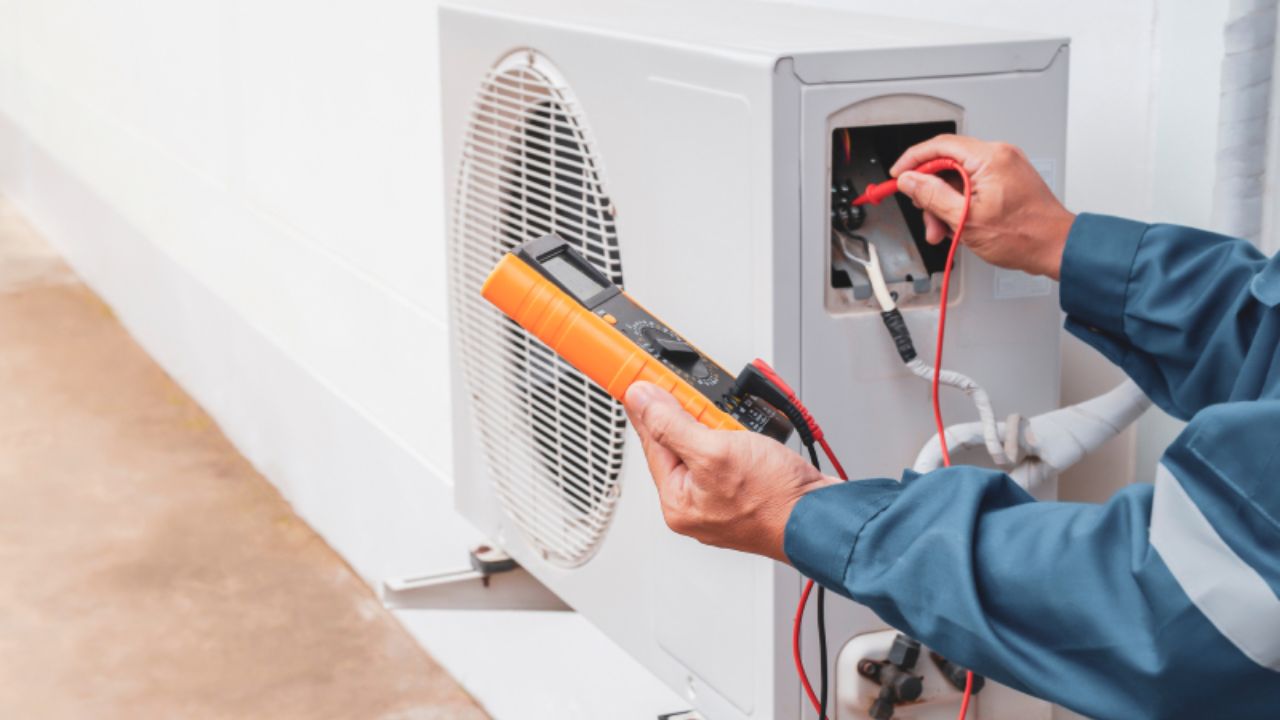
When you invest in HVAC cleaning, every dollar should go toward better performance, cleaner air, and lower energy bills, not wasted service calls. That’s why Abba HVAC focuses on delivering maximum value with every visit.
Why Choose Abba HVAC?
Accurate Upfront Estimates: We assess your system before starting any work, so you know exactly what’s being cleaned and why. No hidden charges, no upselling, just transparent pricing.
Comprehensive Cleaning Packages: Instead of cleaning only one component, we service your ductwork, coils, blower assembly, and filters in a single, efficient visit. That means fewer service calls and long-term cost savings.
Energy-Efficiency Optimization: Our technicians inspect airflow, duct leaks, and coil condition to make sure your system runs efficiently after cleaning.
Preventive Maintenance Options: We offer seasonal tune-up and cleaning plans that keep your system in top shape year-round. Regular maintenance helps you avoid costly breakdowns and extend your HVAC system's lifespan.
Local Expertise You Can Trust: Serving Austin and surrounding areas since 2007, we understand local climate demands and tailor our cleaning methods to keep your system performing reliably in Texas heat.
With Abba HVAC, you don’t just clean your system; you protect your investment. Our licensed and insured team delivers the kind of care that keeps your air cleaner, your system efficient, and your comfort uninterrupted.
Final Thoughts
HVAC cleaning is a smart investment in your home’s comfort, air quality, and long-term efficiency. A clean system runs smoother, cools faster, and uses less energy, saving you money month after month.
Whether you own a home or manage a business, scheduling regular cleaning helps prevent unexpected breakdowns and extends the life of your entire HVAC system.
At Abba HVAC, we make every service call count. Our licensed technicians use advanced tools, proven methods, and genuine care to ensure your system performs at its best, season after season.
Call Abba HVAC today to schedule your cleaning, request a detailed diagnostic, or set up a preventive maintenance plan designed to keep your system efficient and worry-free all year round.
FAQs
Q1. How often should I clean my HVAC system?
A1. The frequency depends on your system, usage, and environment. Generally, cleaning every 3 to 5 years is recommended. If you have pets, live in a dusty area, or have allergies, more frequent cleaning can help keep your indoor air quality at its best.
Q2. Can HVAC cleaning help reduce my energy bills?
A2. Yes. Dust and debris make your system work harder to circulate air, increasing energy use. A clean HVAC system runs more efficiently, which can reduce energy bills and improve your overall comfort.
Q3. Does HVAC cleaning include the furnace and air conditioner?
A3. Yes. HVAC cleaning usually covers both the furnace and AC, including coils, filters, ducts, and vents. Cleaning these parts boosts efficiency, reduces wear, and extends the life of your system.
Q4. Will HVAC cleaning eliminate mold and mildew?
A4. Cleaning can help reduce mold and mildew by removing the dust, debris, and moisture where they grow. For serious mold issues, additional treatments such as professional mold remediation may be needed. Ask your service provider whether they offer this.
Q5. Is HVAC cleaning safe for my home or business?
A5. Yes, when done by trained professionals. Reliable HVAC cleaning services use HEPA vacuums and quality filters to remove dust and debris without contaminating your indoor air. This ensures a safe and clean environment during the process.