Looking to save on energy costs while upgrading your HVAC system? The Heat Pump Tax Credit can make it more affordable. As energy prices rise, heat pumps provide an efficient solution that lowers bills and reduces your carbon footprint. Many homeowners and businesses, however, aren’t sure how to claim this valuable credit.
In this blog, you'll explore how the Heat Pump Tax Credit works, who qualifies, and how to claim it easily, so you can start saving right away.
Key Takeaways:
Homeowners and businesses can get a 30% tax credit, up to $2,000, for installing qualified heat pumps, helping reduce upfront costs.
Both homeowners (for primary residences) and businesses can qualify, with specific rules for renters and DIY installations.
Installing an ENERGY STAR-rated heat pump lowers energy bills, increases home value, and helps the environment by reducing reliance on fossil fuels.
To claim the credit, complete IRS Form 5695 during tax season and provide proper documentation to verify eligibility.
The tax credit is encouraging widespread adoption of heat pumps, bringing a shift toward energy-efficient, electrified HVAC systems.
What is the Heat Pump Tax Credit?
The Heat Pump Tax Credit is a government incentive designed to help homeowners and businesses upgrade to energy-efficient heat pumps. It helps lower the upfront costs of installing these systems, making it easier for property owners to upgrade their heating and cooling to more sustainable, energy-friendly options.
This tax credit usually covers a portion of installation costs and applies to different types of heat pumps, such as air-source and geothermal (ground-source) systems. To qualify, the heat pump must meet government-set energy efficiency standards.
This ensures that when you invest in a new system, it really helps save energy and supports long-term sustainability.
Once you understand the Heat Pump Tax Credit, you should also know the real benefits it offers homeowners.
Benefits of the Heat Pump Tax Credit
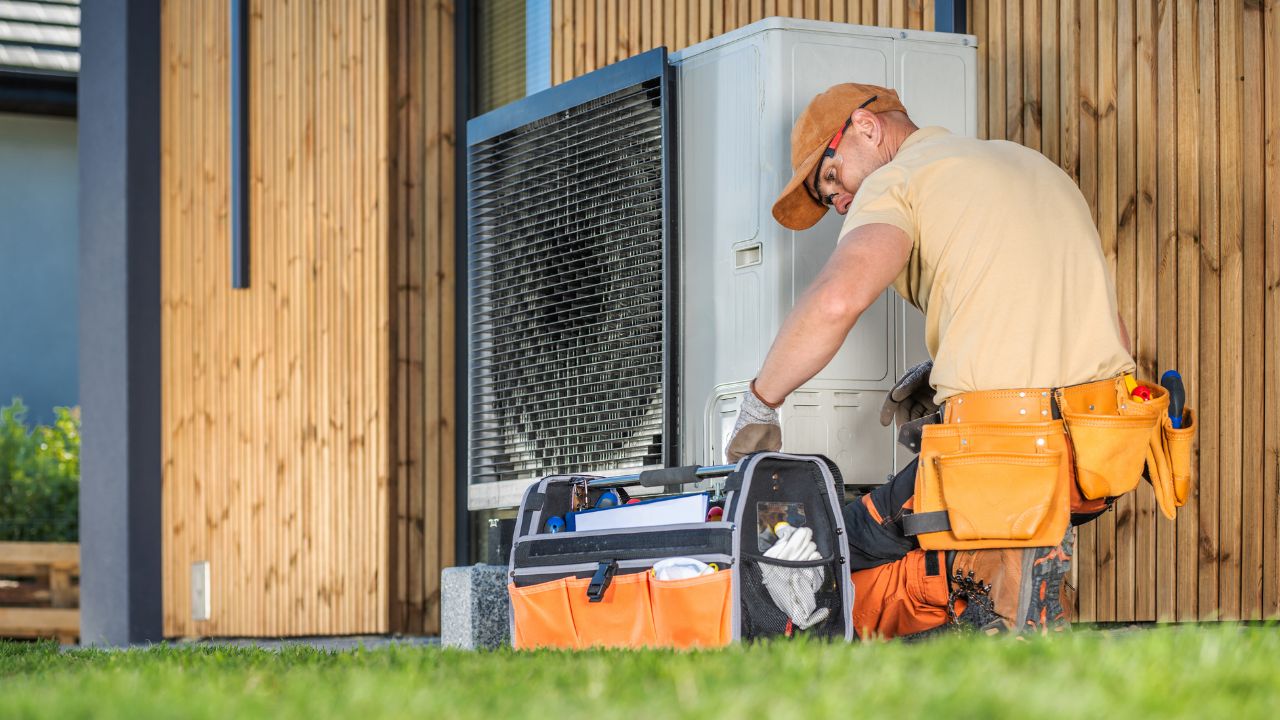
The Heat Pump Tax Credit gives homeowners and businesses a great way to make their heating and cooling systems more energy-efficient while saving money. It helps cut long-term costs and supports the environment. Here’s a closer look at why taking advantage of this credit makes sense:
Financial Savings
One of the biggest perks of the Heat Pump Tax Credit is the savings on installation costs. The credit can cover a good chunk of the cost of buying and installing an eligible heat pump, making it easier for homeowners and businesses to invest in energy-efficient technology.
Reduced Energy Bills
Heat pumps are super energy-efficient, which means lower utility bills. Unlike traditional heating systems that create heat, heat pumps move heat from one place to another, using much less energy to keep your space comfortable. That translates into noticeable savings on your monthly heating and cooling costs.
Long-Term Environmental Benefits
Choosing a heat pump is also a step toward a greener future. Heat pumps produce fewer greenhouse gas emissions than traditional heating methods, especially those that rely on fossil fuels. By claiming the tax credit, you’re helping reduce your carbon footprint and support cleaner energy.
Increased Property Value
Energy-efficient upgrades, such as heat pumps, can increase your property’s value. Homes and businesses with modern, efficient systems attract buyers seeking cost-effective, eco-friendly options. Installing a heat pump can make your property more appealing and help it stand out in a competitive market.
Greater Comfort and Consistency
Heat pumps handle both heating and cooling in a single system, giving you year-round comfort with steady temperatures. Unlike older HVAC systems that might struggle to maintain even heating or cooling, heat pumps offer precise control over your indoor climate, keeping everyone comfortable.
Need Help with Your HVAC System? Abba HVAC Is Ready 24/7
Having trouble with your air conditioner, heat pump, or HVAC system? Abba HVAC’s licensed technicians are just a phone call away. We offer dependable HVAC repair and maintenance services anytime, serving homes and businesses across the Greater Austin area.
Contact us today for fast, professional service because keeping your home or business comfortable is our commitment!
Who is Eligible for the Heat Pump Tax Credit?
The Heat Pump Tax Credit, part of the federal Energy Efficient Home Improvement Credit, can help homeowners save a significant amount when installing qualifying heat pump systems. Here’s what you should know about who qualifies:
Homeowners
Homeowners who install qualifying heat pump systems in their primary residence can take advantage of the Heat Pump Tax Credit.
Primary Residences: The credit applies to upgrades made to your main home.
Existing Homes: Your home must be an existing property; newly built homes don’t qualify.
Income Requirements: There are no income limits for this credit.
Businesses
Businesses that install qualifying heat pumps in their commercial properties may also qualify for the Heat Pump Tax Credit, helping reduce upfront installation costs.
Commercial Properties: Businesses can claim the credit by installing eligible heat pumps in their commercial buildings.
Tax Liability: The credit is nonrefundable, which means it can reduce your tax bill but won’t give you a refund.
Renters
Some renters may qualify for the Heat Pump Tax Credit if they install a qualifying heat pump in their rental unit.
Eligibility: Renters can qualify if they pay federal income taxes and install a heat pump in their rented unit.
Limitations: Since the credit is nonrefundable, it only offsets your tax liability.
Rental Property Owners
Rental property owners may qualify if they meet the primary residence requirement for the property they’re upgrading.
Primary Residence Requirement: The credit is only available for improvements made to a primary residence.
Rental Units: Upgrades to rental units don’t qualify unless you also live in the property.
Self-Installations
Homeowners who install their own heat pump systems can still claim the credit if the installation meets the required energy standards.
DIY Installations: Homeowners who install the heat pump themselves can still claim the credit.
Documentation: You need proper paperwork and must follow energy efficiency standards.
Installation Timeline
To get qualified for the Heat Pump Tax Credit, the installation must be completed by the specified deadline.
Eligible Installations: To qualify, installations must be finished by December 31, 2025.
Tax Year: You claim the credit for the tax year when the installation is completed.
To get the credit, eligible taxpayers need to file IRS Form 5695 with their federal tax return for the year the heat pump was installed.
Once you know who qualifies, the next step is understanding how to claim the Heat Pump Tax Credit and make the most of it.
How Can You Claim the Heat Pump Tax Credit?
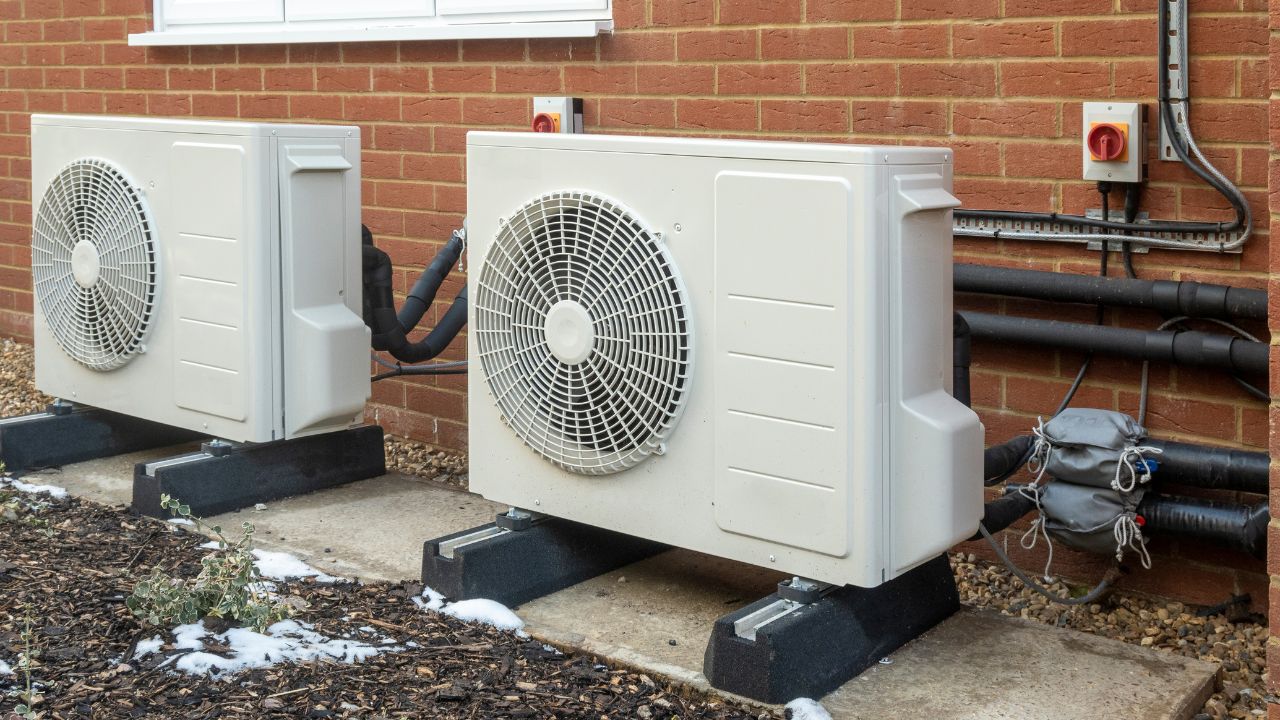
Claiming the Heat Pump Tax Credit is pretty straightforward, but you do need to pay attention to the details to make sure you qualify and get the full benefit. Here’s a step-by-step guide to help you through the process:
Verify Eligibility
Before you start, make sure:
Property Location: The heat pump is installed in a home in the United States.
Primary Residence: The home is your primary residence.
Qualified Equipment: The heat pump meets the IRS energy-efficiency standards.
Installation Date: The heat pump was installed in the tax year you’re claiming the credit for.
Gather Necessary Documentation
Collect these documents before filing:
Purchase Receipts: Invoices showing the cost of the heat pump and installation.
Manufacturer Certification: A statement from the manufacturer confirming your heat pump qualifies for the credit.
Product Identification Number (PIN): For heat pumps installed in 2025 or later, get the PIN from the manufacturer.
Complete IRS Form 5695
Fill in all the information requested and complete the IRS Form 5695:
Part II – Residential Energy Property Expenditures: Use this section to claim the credit for qualified energy property, like heat pumps.
Line 22a: Enter how much you paid for the heat pump.
Line 22b: Enter the credit you’re claiming (30% of the amount on Line 22a).
PIN Entry: If your heat pump has a PIN, include it on the form.
Attach Form 5695 to Your Tax Return
Submit the completed Form 5695 along with your federal tax return (Form 1040, 1040-SR, or 1040-NR) for the year you installed the heat pump.
Keep Documentation for Your Records
You don’t need to send all the documents with your tax return, but you should keep them for at least three years:
Receipts and Invoices: For the heat pump and installation.
Manufacturer Certification: Showing your heat pump qualifies.
Form 5695: A copy for your own records.
Please remember that nonrefundable credit can reduce your tax bill to zero, but won’t give you a refund. If you can’t use the full credit this year, you can carry the remaining amount forward to future years. Also, claim the credit for the year the heat pump was installed, not the year you bought it.
While claiming the credit is simple, it’s also important to be aware of its limitations to ensure you fully understand how it applies to your situation.
Limitations of the Heat Pump Tax Credit
The Heat Pump Tax Credit offers significant savings, but there are important limits you need to know to ensure you qualify and get the most out of it. Here’s a breakdown of the key restrictions:
Annual Credit Limits
You can claim up to $3,200 in total credit each year. This includes:
Up to $1,200 for energy-efficient improvements like insulation, windows, doors, and home energy audits.
Up to $2,000 for certain energy property expenses, including heat pumps.
For heat pumps, the credit covers 30% of the cost, up to a maximum of $2,000 per year.
Energy Efficiency Requirements
To qualify, your heat pump must meet or exceed the highest efficiency tier (excluding any advanced tier) set by the Consortium for Energy Efficiency (CEE) at the start of the calendar year when it’s installed.
Nonrefundable Credit
This credit is nonrefundable. That means it can reduce your tax bill to zero, but it won’t give you a refund. Any part of the credit you don’t use in the current year cannot be carried over to future years.
Documentation and Reporting
Starting in 2025, you need to include the Qualified Manufacturer Identification Number (QMID) on your tax return. This number identifies the manufacturer of your qualifying heat pump. Keep receipts, manufacturer certifications, and installation invoices to support your claim.
Installation Location
The heat pump must be installed in a home in the United States and used as your primary residence. Upgrades to rental properties or second homes don’t qualify unless you also live there.
Exclusion of Subsidized Energy Financing
You can’t include any amounts paid through subsidized energy financing when calculating the credit. This refers to programs from federal, state, or local governments that provide financial help for energy projects.
Once you understand the limitations of the credit, it helps to know how it influences decisions around HVAC installations and upgrades.
How does the Heat Pump Tax Credit affect HVAC Installations?
The Heat Pump Tax Credit, part of the federal Energy Efficient Home Improvement Credit (Section 25C), has made a noticeable impact on HVAC installations across the U.S. Here’s how it’s shaping the market:
More Homeowners Are Choosing Heat Pumps
The 30% tax credit up to $2,000 has encouraged many homeowners to switch to energy-efficient heat pumps. In 2023 alone, over 268,000 heat pump credits were claimed, driving a significant rise in installations.
Higher Demand for HVAC Contractors
As more people opt for heat pumps, demand for HVAC contractors specializing in these systems has grown. Many contractors are expanding their services and expertise to keep up with the rising need.
Faster Shift to Energy-Efficient Systems
By lowering the upfront cost, the tax credit makes it easier for homeowners to replace traditional HVAC systems with energy-efficient heat pumps. This supports environmental goals and helps homeowners save on energy costs over the long term.
Plan Ahead for Post-2025 Changes
The Energy Efficient Home Improvement Credit is set to expire for systems installed after December 31, 2025. Homeowners considering upgrading their HVAC system should act soon to take full advantage of current incentives.
How Can Abba HVAC Help You Maximize Your Heat Pump Tax Credit Savings?
Upgrading to an energy-efficient heat pump is a smart move. It keeps your home more comfortable and helps you save money through the Heat Pump Tax Credit. That's why Abba HVAC makes it easy to take full advantage of this opportunity, from choosing the right system to helping you claim your credit before the deadline.
Why Choose Abba HVAC?
Expert Guidance on Tax Credit Eligibility: We’ll walk you through the eligibility requirements and help you with the claiming process so you don’t miss out on valuable savings.
Energy-Efficient Heat Pump Solutions: Our licensed technicians recommend and install high-efficiency heat pumps that qualify for tax credits, helping you save upfront and reduce future energy costs.
Accurate, Upfront Pricing: We believe in honest and clear pricing. You’ll always know what you’re paying for with no hidden fees, no surprises, just fair and transparent quotes.
Maximize Your Savings: We go beyond installation. Our team fine-tunes your system for optimal efficiency, so you use less energy, lower your utility bills, and enjoy year-round comfort.
Local Expertise You Can Trust: Serving Austin and nearby areas for years, we understand the local climate and recommend systems designed to perform efficiently in Texas weather.
With Abba HVAC, installing a heat pump is an investment in long-term savings, comfort, and energy efficiency. We’ll help you make the most of your tax credit and start saving right away.
Final Thoughts
The Heat Pump Tax Credit is an excellent opportunity to make upgrading to an energy-efficient heat pump more affordable. It helps homeowners and businesses save on installation costs and reduce long-term energy bills.
Whether you own a home or run a business, taking advantage of this credit can significantly reduce your upfront costs, making it easier to transition to a more sustainable and cost-effective HVAC system.
At Abba HVAC, we make every service call count. Our licensed technicians are here to help you navigate the tax credit process, ensuring you get the maximum savings while upgrading to a more energy-efficient system.
Call Abba HVAC today to schedule your heat pump installation, request expert diagnostics, or set up a preventive maintenance plan to keep your system running smoothly all year long.
FAQs
Q1. Can I combine the Heat Pump Tax Credit with local or utility rebates?
A1. Yes, you can combine the federal Heat Pump Tax Credit with state or utility rebates, as long as each program’s rules are met. Just remember to subtract the value of any rebates from the total cost before calculating your federal tax credit.
Q2. Do I need to hire a certified contractor to qualify for the credit?
A2. It’s not mandatory, but hiring a certified HVAC contractor helps ensure your system meets federal energy efficiency standards. Proper installation also protects system performance and avoids issues that could affect your eligibility.
Q3. Can I claim the tax credit for a vacation home or secondary residence?
A3. No, the credit applies only to your primary residence. The home where you live most of the year. Vacation homes or secondary properties don’t qualify.
Q4. What happens if my tax liability is less than the credit amount?
A4. The Heat Pump Tax Credit is nonrefundable, so it can only reduce your federal tax liability to zero. Any unused portion of the credit is not refunded or carried forward to future tax years.
Q5. How do I confirm that my heat pump qualifies before purchasing?
A5. Check the product’s ENERGY STAR certification or ask your installer for a Manufacturer Certification Statement. These documents confirm that the system meets the efficiency standards needed for the tax credit.