Is your HVAC system ready for the next heatwave or cold snap? Without regular tune-ups, it can struggle when you need it most, causing unexpected breakdowns and higher energy bills.
A quick tune-up can spot small problems early, boost efficiency, and extend your system’s life. By fixing minor issues before they grow, you avoid expensive repairs and keep your home comfortable all year round.
In this blog, you’ll explore how regular maintenance keeps your home or business comfortable all year while saving you money.
TL;DR:
Regular tune-ups clean components, check refrigerant levels, and keep airflow smooth, improving performance and lowering energy bills.
A tune-up spots small issues early before they turn into major breakdowns, saving you from costly repairs or full system replacements.
Cleaning filters, ducts, and other parts removes dust, allergens, and pollutants, helping improve indoor air quality and keeping your home healthier.
Regular maintenance ensures your HVAC runs reliably during hot summers and cold winters, preventing inconvenient breakdowns when you need it most.
Proper care and timely maintenance increase your HVAC’s lifespan, letting you get the most out of your investment and avoiding premature replacements.
What is an HVAC Tune-Up?
An HVAC tune-up is basically a regular maintenance check that keeps your heating, ventilation, and air conditioning (HVAC) system running efficiently and without problems. During this service, an HVAC technician conducts a series of inspections, cleanings, and adjustments to ensure your system performs at its best.
This simple routine helps prevent sudden breakdowns and keeps your system working smoothly all year long. A typical HVAC tune-up includes:
Cleaning: The technician removes dust, dirt, and debris from critical components such as filters, coils, and ducts.
Inspection: They check for signs of wear and tear, leaks, and other issues that could lead to future problems.
Adjustments: The technician makes sure everything, from the thermostat to fan belts and motors, is working correctly and fine-tuned for better performance.
Lubrication: Moving parts are oiled to reduce friction, minimize noise, and help the system last longer.
Knowing what an HVAC tune-up involves makes it easier to see how it differs from a standard inspection and why both are important for your system’s performance.
HVAC Tune-Up vs. Inspection: What’s the Difference?
When it comes to taking care of your HVAC system, you’ll often hear about two main services: an HVAC tune-up and an HVAC inspection. Both are important for keeping your system in good shape, but they’re not the same thing.
Each service focuses on different aspects of maintenance and serves a unique purpose. Here’s a simple breakdown of how they differ and what each one includes.
Aspect | HVAC Tune-Up | HVAC Inspection |
Scope | Comprehensive maintenance service. | Diagnostic check to assess the system’s condition. |
Tasks Included | Cleaning, lubrication, adjusting, and minor repairs. | Checking for visible issues, leaks, or damage. |
Purpose | Prevent breakdowns, improve efficiency, extend system life. | Identify existing problems or inefficiencies. |
Frequency | Typically performed once or twice a year (seasonally). | Done as needed or when there’s suspicion of issues. |
Components Checked | Air filters, coils, motors, refrigerant levels, ducts, thermostat, and moving parts. | Leaks, cracks, system functionality, and visible damage. |
Main Benefit | Preventive maintenance to improve performance and save on future repairs. | Identifying issues that may require repair or replacement. |
When to Choose | When looking for regular system maintenance and efficiency. | When you suspect system issues or need a system check-up. |
Knowing the differences between a tune-up and an inspection helps highlight the specific benefits you can gain from scheduling a full HVAC tune-up.
Top Benefits of Getting an HVAC Tune-Up
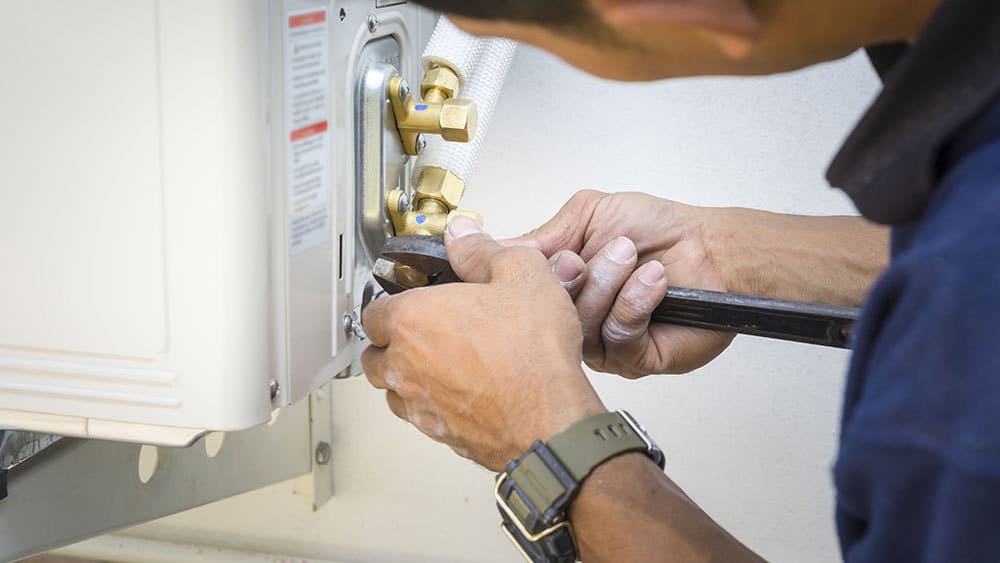
If you own a home or business in Austin, keeping your HVAC system in great shape isn’t just about staying comfortable. It’s also about saving money and preventing future hassles. Here's a closer look at the biggest benefits of an HVAC tune-up.
Improved Energy Efficiency
When dust and dirt build up inside your HVAC system, it has to work much harder to heat or cool your space. A tune-up takes care of this by cleaning filters, checking refrigerant levels, and improving airflow. These small fixes help your system run smoothly, minimize energy waste, and lower your utility costs over time.
Longer System Lifespan
Ignoring small issues in your HVAC system can shorten its life and lead to costly replacements. During a tune-up, technicians spot and fix those minor problems before they grow into major ones. This preventive care keeps your system in good shape and running efficiently for years.
Fewer Breakdowns During Peak Seasons
Your HVAC system works the hardest during extreme heat or cold, and that’s usually when problems show up. Regular tune-ups help you avoid this. Technicians check for worn parts and potential issues that could cause breakdowns, ensuring your system runs reliably when you need it most.
Better Indoor Air Quality
When filters, coils, or ducts collect dirt and dust, those particles can circulate throughout your home or office. A tune-up includes a thorough cleaning of these components, removing dust, allergens, and pollutants. The result is cleaner air and a healthier indoor environment, especially helpful for anyone with asthma or allergies.
Greater Home Comfort
If your HVAC system isn’t properly maintained, you may notice uneven temperatures or weak airflow in some rooms. A tune-up helps fix that by ensuring all components are working efficiently and that air is evenly distributed. This ensures your home or business stays at a consistent, comfortable temperature year-round, no matter the season.
Lower Repair Costs
It’s easy to overlook small HVAC issues, but they often lead to big repair bills later. A tune-up helps you stay ahead by finding problems early and fixing them before they cause major damage. This proactive approach saves you from emergency repair costs and unexpected breakdowns.
Warranty Protection
Most HVAC manufacturers need proof of regular maintenance to keep the warranty valid. Skipping tune-ups can void that warranty, leaving you to pay for repairs yourself. A professional tune-up ensures your system meets all maintenance requirements, keeping your warranty in good standing.
Once you understand the benefits of a tune-up, it's easier to see why proper preparation is important before your HVAC service.
How to Get Ready for Your HVAC Tune-Up?
Preparing for an HVAC tune-up helps the process go smoothly and ensures the technician can complete all necessary checks without delays. Here’s how you can get ready before the appointment:
Clear the Area Around Your HVAC System
Make sure there’s enough space around both the indoor and outdoor units. Move any furniture, clutter, or items that might block access to the system. This gives the technician plenty of room to inspect and service your HVAC efficiently and ensures every component gets checked properly.
Turn Off the System
Before your technician arrives, switch off your HVAC system. This prevents any unnecessary strain or potential damage while the technician is working. It also creates a safer environment for them to carry out the tune-up.
Inform the Technician of Any Concerns
If you’ve noticed anything unusual, like odd noises, temperature changes, or weak airflow, make sure to mention it before the tune-up begins. Sharing these details helps the technician focus on specific areas and catch problems early, saving time and avoiding future issues.
Schedule During Off-Peak Times
HVAC service providers get busy during extreme weather, especially in summer and winter. To avoid long wait times, try scheduling your tune-up during off-peak seasons like spring or fall. You’ll likely get a faster appointment and a more relaxed, detailed inspection.
Ensure Easy Access to Filters and Ducts
Technicians usually need to inspect and replace air filters during a tune-up. Make sure these areas are easy to reach. If your filters are tucked away in hard-to-access spots, clear the way beforehand so the technician can get the job done quickly and efficiently.
Be Prepared for the Cost
HVAC tune-ups are usually affordable, but it’s still smart to ask about the cost ahead of time. That way, you won’t be surprised by the bill, especially if the technician recommends extra services or small repairs during the visit.
Check Your Warranty Requirements
If your HVAC system is still under warranty, review the terms before your tune-up. Use this opportunity to confirm the details and ensure the service is properly documented for future reference.
Need Expert Help? Abba HVAC Is Here 24/7
If your HVAC system is acting up, maybe with poor airflow, uneven temperatures, or rising energy bills, don’t wait. Abba HVAC’s licensed technicians are available around the clock in the Greater Austin area to give your system a thorough tune-up and keep it running smoothly. Contact us today for fast, reliable service you can trust.
How Much Does an HVAC Tune-Up Cost?
The cost of an HVAC tune-up can vary depending on many factors, such as whether you have a central system or a mini-split, the size of your home, your system’s condition, and even seasonal demand.
Here’s a quick breakdown:
A standard air-conditioning system tune-up usually costs between $65 and $200, based on industry averages.
For more thorough maintenance, such as cleaning coils, checking refrigerant levels, and running detailed diagnostics, prices can reach $175 or more.
If the tune-up uncovers extra issues, such as refrigerant leaks, worn-out parts, or ductwork problems, those repairs will add to the total cost beyond the basic tune-up fee.
Once you understand the cost of an HVAC tune-up, you can better plan and prioritize the tasks on your checklist for the appointment.
HVAC Tune-Up Checklist For Your Scheduled Appointment
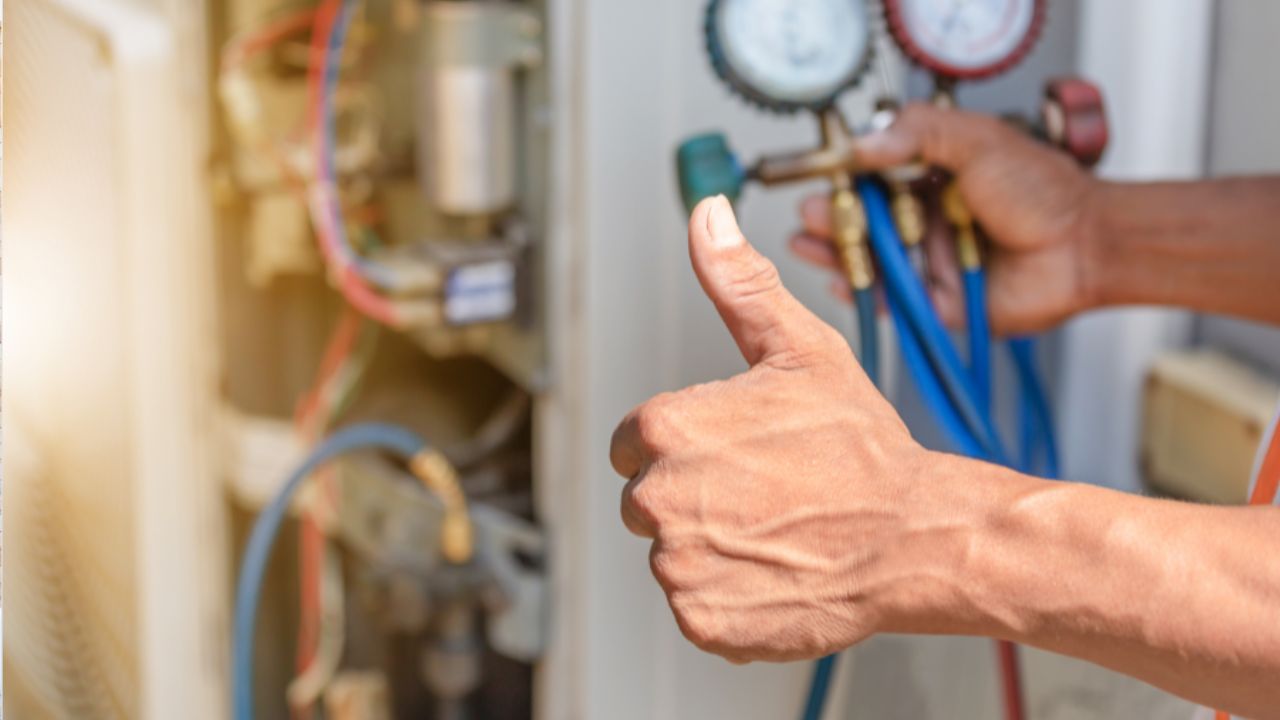
Getting an HVAC tune-up is one of the best ways to keep your system running smoothly and lasting longer. During the appointment, the technician performs a detailed inspection and completes several maintenance tasks to ensure your heating, ventilation, and air conditioning system is operating at its best.
Here’s a quick checklist of the key things that should be covered during an HVAC tune-up to keep your system efficient, reliable, and free from potential problems.
Inspect and Replace Air Filters
Air filters play a big role in keeping your indoor air clean by trapping dust, dirt, and allergens before they circulate through your home or office. Over time, these filters get clogged, restrict airflow, and force your HVAC system to work harder, which lowers its efficiency.
The technician will inspect your air filters, replace them if needed, and recommend the right type for your system. This helps improve airflow and ensures cleaner, healthier air throughout your space.
Clean the Coils
The evaporator and condenser coils are responsible for heat exchange, but when they collect dirt or dust, they struggle to absorb or release heat properly. This makes your system work harder, increasing energy use and wear.
During the tune-up, the technician will clean both sets of coils, helping your HVAC system run more efficiently, stay cooler, and last longer.
Check Refrigerant Levels
Refrigerant is what helps your system cool the air, so when levels are low, your HVAC struggles to maintain the right temperature and puts stress on the compressor. That can eventually lead to system failure.
During the tune-up, the technician will check refrigerant levels, look for leaks, and make sure everything’s running smoothly. This keeps your system efficient and prevents costly repairs later.
Test and Calibrate the Thermostat
Your thermostat acts as the control center of your HVAC system. If it’s not calibrated correctly, you may notice uneven temperatures or wasted energy.
The technician will test the thermostat to make sure it’s reading temperatures accurately and communicating properly with the system. They’ll also make any needed adjustments so your home stays at the right temperature without overworking the system.
Lubricate Moving Parts
Your HVAC system has several moving components, like the blower, motor, and fan, that keep air circulating. Without proper lubrication, these parts can grind and wear out faster, and make extra noise.
The technician will lubricate all moving parts during the tune-up to reduce friction, extend their lifespan, and help your system run quietly and efficiently.
Inspect the Ductwork for Leaks
Leaky ducts are one of the main reasons energy gets wasted in HVAC systems. When air escapes through cracks or holes, your system has to work harder to maintain the right temperature, which drives up your energy bills.
During the tune-up, the technician inspects the ductwork for leaks or blockages and seals any problem areas. This helps improve airflow and ensures you get the full benefit of your heating or cooling system.
Inspect and Clean the Condensate Drain
Your HVAC system produces moisture during operation, and the condensate drain helps remove it. Over time, mold, algae, and debris can clog this drain, leading to water damage or even system shutdown.
The technician cleans the condensate drain and ensures it drains properly. This helps prevent leaks, mold growth, and costly water damage.
Check the Blower and Fan
The blower and fan are responsible for pushing air throughout your system. Dust and debris buildup cause them to slow down or overheat.
The technician inspects and cleans these components to ensure they’re working efficiently. This step helps maintain steady airflow, keeps your system from overworking, and improves overall comfort.
Test System Start-Up and Shut-Down Cycle
Your HVAC system should start up and shut down smoothly every time. If it hesitates, makes noises, or shuts off too quickly, it could point to deeper issues.
The technician will test these cycles to make sure everything runs properly and safely. They’ll also check for unusual signs that might suggest future problems, helping you avoid unexpected breakdowns.
Perform a Safety Inspection
Safety always comes first when you’re dealing with HVAC systems. Faulty electrical components or gas connections can lead to serious risks, such as fires or carbon monoxide leaks.
During the tune-up, the technician performs a comprehensive safety check to ensure everything’s working correctly and safely. This gives you peace of mind, knowing your system is efficient and safe for your home or business.
How Can Abba HVAC Help You Keep Your HVAC System in Top Condition?
Regular HVAC tune-ups are crucial for maintaining your system's efficiency, extending its lifespan, and ensuring year-round comfort in your home or business. With proper maintenance, you can avoid costly repairs and lower your energy consumption. That's why Abba HVAC helps you get the most out of your system with reliable, expert care.
Why Choose Abba HVAC?
Comprehensive Tune-Up Checklist: Our technicians follow a complete checklist that covers every part of your HVAC system, from the thermostat and coils to the blower motor and filters. This ensures your system runs smoothly and performs at its best.
Accurate Diagnostics and Transparent Pricing: We believe in honesty and clarity. You’ll always get upfront pricing before any work begins with no hidden fees, surprise costs, or unnecessary upselling.
Expert Technicians with Local Knowledge: Our licensed and insured team understands the Austin climate and its unique challenges. We tailor each tune-up to help your system withstand the Texas heat and maintain consistent indoor comfort.
Improved Energy Efficiency: Our goal is to help your system work smarter, not harder. Through proper cleaning, lubrication, and adjustments, we ensure your HVAC system runs efficiently, helping to lower your energy bills.
Preventive Maintenance Plans: Stay worry-free with our year-round maintenance plans. Regular tune-ups and checks keep your system reliable, prevent sudden breakdowns, and extend its lifespan.
With Abba HVAC, you’re protecting your comfort and your investment. Our expert team keeps your air cleaner, lowers your energy bills, and ensures your system runs efficiently all year long.
Final Thoughts
Regular HVAC tune-ups help your system run smoothly and reliably. They catch minor problems early, helping you avoid costly repairs and extend the lifespan of your unit.
Whether you own a home or manage a business, scheduling regular tune-ups enhances energy efficiency, reduces utility bills, and improves indoor air quality, ultimately creating a more comfortable environment.
At Abba HVAC, we make every service call count. Our licensed technicians use advanced tools and proven methods to keep your HVAC system in top condition, providing long-lasting results.
Call Abba HVAC today to tune up, request expert diagnostics, or set up a preventive maintenance plan that will keep your system efficient and worry-free throughout the year.
FAQs
Q1. How often should I schedule an HVAC tune-up?
A1. It’s a good idea to schedule an HVAC tune-up at least once a year. Spring is perfect for air conditioners, and fall works best for heating systems. Regular tune-ups make sure your system is ready for peak seasons and help prevent unexpected breakdowns during extreme weather.
Q2. Can an HVAC tune-up improve indoor air quality?
A2. Yes, a tune-up can really boost your indoor air quality. During the service, the technician cleans air filters, checks and seals ducts, and inspects the system for allergens or pollutants, helping reduce dust, mold, and other irritants in your home.
Q3. What should I do if my HVAC system isn’t blowing cold or hot air, even after a tune-up?
A3. If your system still isn’t cooling or heating properly after a tune-up, there could be an underlying issue like low refrigerant, a faulty thermostat, or a blocked duct. It’s best to call the technician right away so they can diagnose and fix the problem.
Q4. Does an HVAC tune-up include cleaning the ductwork?
A4. A standard tune-up usually covers basic system checks and cleaning of components, but not a full duct cleaning unless you specifically request it. If you suspect your ducts are clogged with dust or debris, a professional duct cleaning service may be needed in addition to the tune-up.
Q5. Can an HVAC tune-up prevent all future problems with my system?
A5. While a tune-up helps catch minor issues and reduces the chance of sudden breakdowns, it can’t prevent every problem. Keep an eye on your system’s performance and schedule repairs promptly if you notice anything unusual after the service.