
Introduction
Your air conditioner is one of the most important investments in your home, especially in Austin, where summer temperatures regularly exceed 100°F. According to the U.S. Department of Energy, heating and cooling account for nearly 50% of a home's energy use, making your AC system both a comfort necessity and a significant ongoing expense.
But like any home system, AC units don’t last forever. On average, a well-maintained air conditioner can last anywhere from 10 to 15 years. However, factors like usage, maintenance, and local climate can shorten or extend that lifespan.
In this article, you’ll learn how long AC systems typically last, what factors affect their lifespan, the warning signs of replacement, and simple ways to help your AC unit last longer.
Key Takeaways
Central AC systems generally last 10 to 15 years, heat pumps 10 to 15 years, and mini-splits 15 to 20 years.
Austin's extreme heat and humidity can reduce AC lifespan by 2-3 years compared to milder climates.
Regular maintenance can add 3 to 5 years to your system’s lifespan.
Frequent breakdowns, rising energy bills, and uneven cooling are red flags for replacement.
Abba HVAC provides expert maintenance and energy-efficient upgrades for long-lasting comfort.
What Is the Average Lifespan of AC Units?
The lifespan of an AC unit varies by type, usage, and maintenance, but in the hot Texas climate, air conditioners often experience more strain than in cooler areas. Here's a breakdown of how long different types of AC units typically last:
1. Central Air Conditioners
Traditional central AC systems last between 10 and 15 years on average. However, Austin's climate presents unique challenges. When your AC runs 6 to 8 months per year instead of 3 to 4 months in cooler regions, the compressor and other components work significantly harder.
2. Heat Pumps
Heat pumps typically last 10 to 15 years, shorter than traditional AC systems. Because heat pumps provide both heating and cooling, they run year-round in many homes. This constant operation means more wear on the compressor, fan motors, and reversing valve.
3. Ductless Mini-Split Systems
Ductless mini-splits generally last 15 to 20 years. These systems often last slightly longer because they have fewer components and no ductwork to develop leaks. Each indoor unit operates independently, so a single component failure doesn't necessarily shut down your entire cooling system.
While these figures show the typical range, the true longevity of your AC hinges on certain conditions and habits.
Key Factors That Affect AC Lifespan
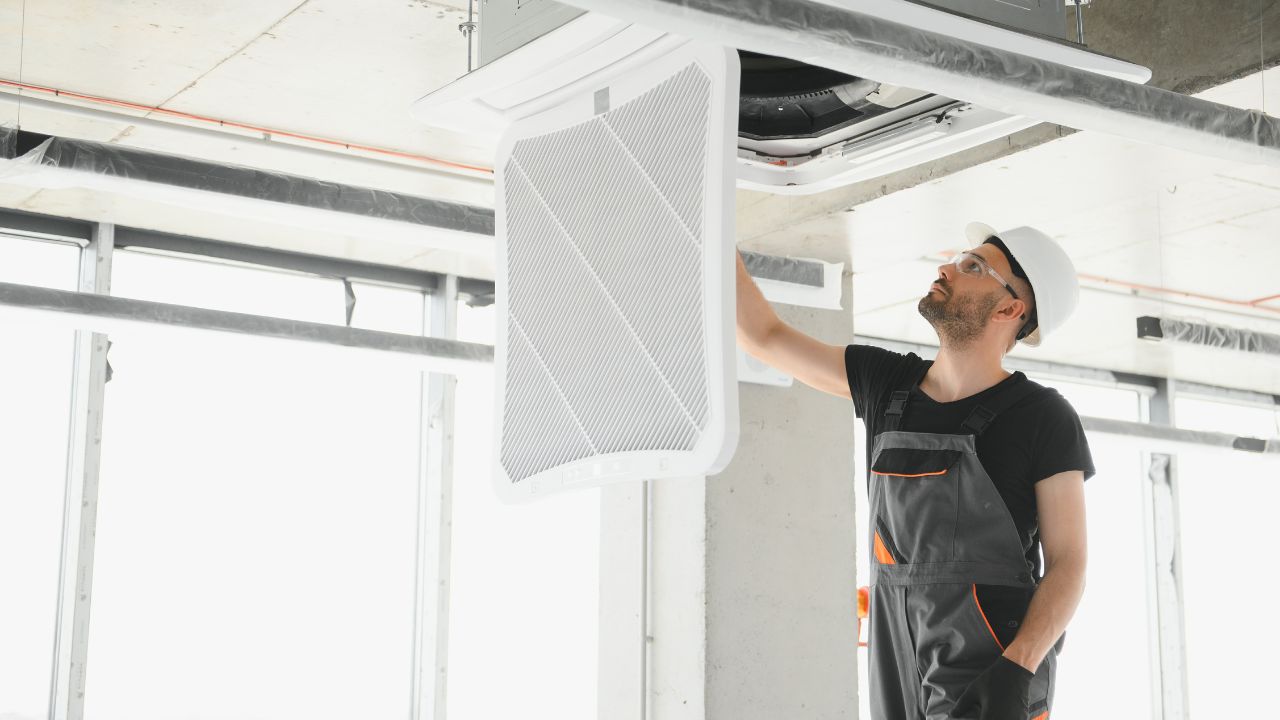
Like any major appliance, an AC’s lifespan depends on how it’s used and cared for. High temperatures, long daily run times, and inconsistent maintenance put extra strain on the system. Even a well-built unit can age faster if filters aren’t changed, coils aren’t cleaned, or refrigerant levels aren’t checked regularly.
Here are the key factors that affect your AC’s lifespan.
1. Climate and Usage Patterns
Austin's scorching summers put extraordinary stress on air conditioning systems. When outdoor temperatures hit 105°F, your AC may run 12 to 16 hours per day just to maintain 72°F indoors. This constant operation accelerates wear on the compressor, the most expensive component to replace.
Humidity also plays a role. Central Texas humidity forces your AC to work harder, removing moisture from the air, not just cooling it. This dual workload strains the evaporator coil and can lead to earlier system failure.
2. Maintenance Frequency
AC units need regular, periodic maintenance to function properly over their expected lifespan. Skipping maintenance puts strain on critical components.
For example, if the thermostat isn’t checked or calibrated during service, the system can run longer than necessary or cycle incorrectly, which gradually wears down the compressor and shortens the unit’s life.
3. Installation Quality
Poor installation can cut your AC's lifespan in half. An undersized system will run constantly, never reaching the off-cycle rest periods it needs.
Incorrect refrigerant charge, improper ductwork sizing, and poor electrical connections all stem from installation mistakes. These issues create ongoing stress that accumulates over the years, leading to premature failure.
How to Maximize Your AC Unit’s Lifespan?
The good news is that with regular maintenance and a few simple steps, you can extend the life of your AC unit and avoid costly repairs or early replacement:
1. Schedule Annual Professional Maintenance
Professional tune-ups should happen every spring before the cooling season begins. A qualified technician will clean coils, check refrigerant levels, test electrical connections, lubricate moving parts, and identify potential problems before they cause breakdowns.
Here’s what to do:
Book your tune-up in March or early April to beat the summer rush.
Ask your technician for a written service report detailing coil condition and refrigerant pressure.
Request drain line cleaning during the visit to prevent future blockages.
Keep service receipts — they help track performance and warranty validity.
If your system is over 10 years old, ask about efficiency testing or upgrade recommendations.
2. Change Filters Regularly
Set a monthly reminder to check your air filter during the cooling season. In Austin's dusty environment with high pollen counts, filters accumulate debris quickly. A clean filter improves airflow, reduces strain on the blower motor, and helps maintain efficiency.
Here’s what to do:
Check the filter every 30 days during summer and replace it if it is visibly gray.
Use MERV 8–11 filters for a good balance of airflow and filtration.
Keep a few spare filters at home for quick changes.
Write the installation date on the frame to track replacement frequency.
If you have pets or allergies, switch to high-efficiency filters or replace them more often.
3. Keep the Outdoor Unit Clean
Your condenser unit needs clearance to breathe. Remove leaves, grass clippings, and debris from around the unit. Trim vegetation back at least 2 feet on all sides. Gently spray the condenser coils with a garden hose to remove accumulated dirt and pollen.
Here’s what to do:
Turn off the power before cleaning the condenser.
Use light water pressure — never a power washer — to avoid bending fins.
Clean around the unit every 2–3 weeks during heavy pollen or mowing season.
Keep mulch, pebbles, or barriers low enough for airflow.
Inspect after storms for leaves or branches that may block ventilation.
4. Use a Programmable Thermostat
A programmable or smart thermostat reduces unnecessary runtime when you're away from home. Raising the temperature by 5-7 degrees during work hours gives your AC regular rest periods without sacrificing comfort.
Here’s what to do:
Program cooling to 78°F when home and 85°F when away.
Use smart thermostats like Google Nest or Ecobee for real-time energy tracking.
Create schedules for weekdays and weekends separately.
Avoid extreme temperature swings — it makes the compressor work harder.
Check thermostat batteries annually if not hardwired.
5. Address Problems Promptly
Strange noises, weak airflow, or inconsistent cooling are early warnings of developing problems. Addressing these issues when they first appear prevents minor problems from becoming major failures.
Actionable checklist:
Record noises or error codes before calling a technician.
Check that vents are open and unobstructed in every room.
Replace the air filter first — it solves many performance issues.
Avoid running the AC if it’s freezing up or leaking water.
Schedule a same-week service if performance doesn’t improve within 24 hours.
6. Provide Shade for Your Outdoor Unit
If possible, install your condenser in a shaded area. A unit sitting in direct Austin sun works significantly harder than one in shade. Shade trees or a purpose-built shade structure (with proper clearance) can extend your AC's lifespan while reducing cooling costs.
Here’s what to do:
Ensure at least 2–3 feet of space above and around the shaded area for airflow.
Use lattice or mesh panels instead of solid covers for ventilation.
Plant small shrubs or trees 5–10 feet away for gradual shade coverage.
Avoid covering the top of the condenser — it traps heat.
Clean leaves regularly if trees are nearby.
Even with proper care, every system reaches a point where maintenance isn’t enough. Here’s how to tell when it’s time to replace your AC instead of repairing it.
5 Signs Your AC Might Need Replacement
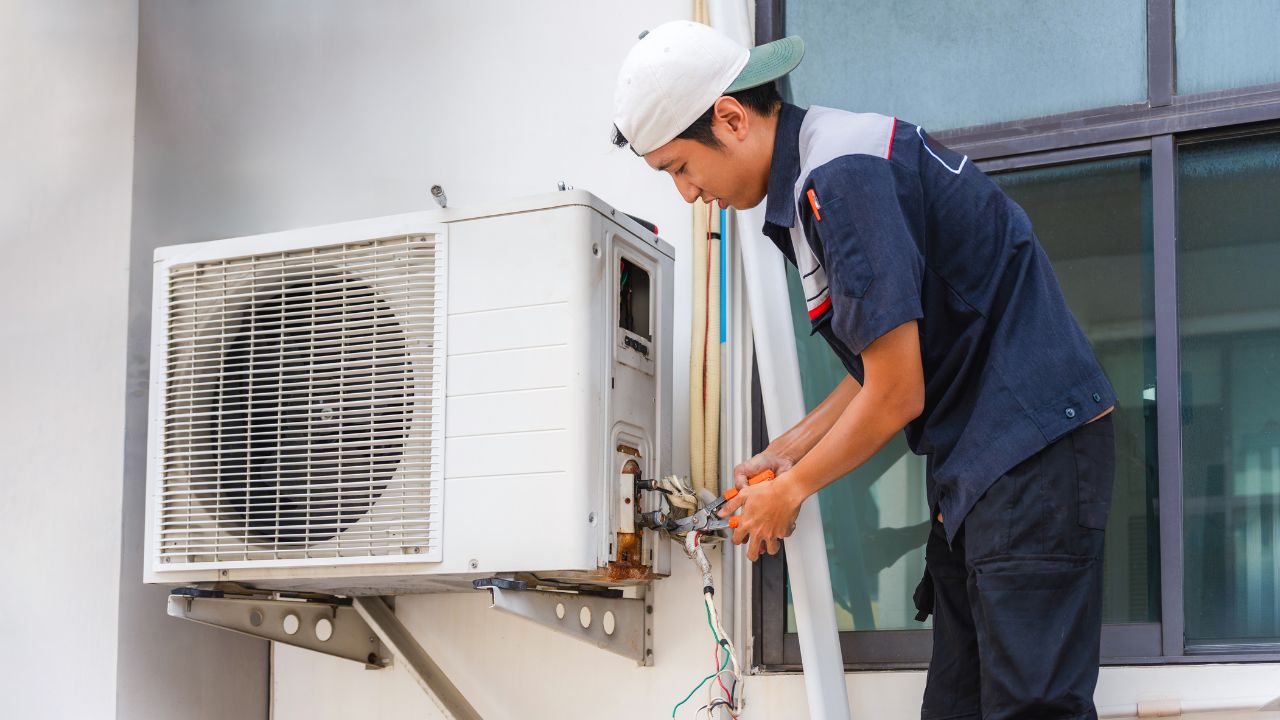
There are several signs that may indicate your air conditioner is nearing the end of its lifespan, and it might be more cost-effective to replace it instead of repairing it:
Frequent Repairs: If your AC is constantly breaking down and you’re spending more on repairs than a new system would cost, replacement could save you money in the long run.
Rising Energy Bills: An aging AC unit becomes less efficient over time, causing energy bills to rise. If you notice a significant increase in cooling costs without a corresponding change in usage, your AC might be struggling to keep up.
Inconsistent or Poor Cooling: If your AC is running but not cooling effectively, even after regular maintenance, this could be a sign that it's time for a replacement.
Age of the Unit: If your AC is over 10 years old and needs constant repairs, replacing it could be a smarter decision. At this point, the energy efficiency of your unit will also have significantly decreased.
Unusual Noises or Smells: Odd noises like grinding or buzzing and unusual smells could indicate a serious issue. If repairs aren't enough to address these issues, replacement might be necessary.
If you notice 2 or 3 of these issues, replacing your AC may be more cost-effective than ongoing repairs.
How Abba HVAC Helps Your AC Last Longer
An aging AC system can become unpredictable and costly over time. That’s where Abba HVAC steps in. Since 2007, our licensed and insured team has helped Central Texas homeowners and businesses keep their Air conditioning systems reliable year-round.
Here’s how we make that happen:
Licensed & Insured Since 2007: Every technician is certified to handle your AC system safely and up to code. With nearly two decades of hands-on experience, you can trust that every repair and installation is done right the first time.
24/7 Emergency Service: When your system stops working in the middle of a Texas heatwave, we’re ready to respond — day or night — to restore comfort quickly and safely.
Comprehensive System Care: From refrigerant checks and airflow testing to duct inspections and electrical diagnostics, we make sure your AC runs at peak efficiency without hidden issues.
Energy-Efficient Upgrades: We recommend and install high-efficiency components that lower energy use and reduce long-term costs without sacrificing comfort.
Preventive Maintenance Plans: Our scheduled tune-ups help catch small issues early, reduce breakdowns, and add years to your AC’s lifespan.
At Abba HVAC, you get more than a service call; you get Dad-level care with professional-grade expertise.
Conclusion
Air conditioning units have varying lifespans depending on type, usage, and care. Regular maintenance, proper installation, and monitoring for warning signs can help you make informed decisions about repair versus replacement.
Abba HVAC brings nearly two decades of experience helping Austin homeowners get the most from their cooling systems. Our licensed technicians understand Central Texas's unique climate challenges and provide honest guidance on whether repair or replacement makes the most financial sense for your situation.
Contact Abba HVAC today for 24/7 service
FAQs
1. How often should I schedule an HVAC tune-up in Austin?
For optimal performance, homeowners should schedule a professional AC tune-up at least once a year. Spring is ideal before peak summer heat. This helps catch minor issues before they become costly repairs.
2. What’s the cost difference between repairing and replacing an old AC unit?
Repairing older systems with frequent issues can quickly exceed the cost of a new, energy-efficient unit. Replacement ensures long-term reliability and lower energy bills.
3. How do I know if my heat pump needs replacement or just repair?
If your heat pump struggles to maintain temperature, shows frequent breakdowns, or is over 10–15 years old, replacement may be more cost-effective than continuous repairs.
4. Can high energy bills indicate AC problems?
Yes. Rising energy costs without changes in usage often signal declining efficiency due to worn components, refrigerant leaks, or airflow issues.
5. Are mini-split systems better for long-term use in Central Texas?
Mini-splits often last 15–20 years with proper maintenance and offer flexible zoning. They’re ideal for smaller homes or areas needing independent temperature control.