
Replacing your HVAC system in Austin can feel like a big task, and it’s easy to feel unsure about where to start. You might be wondering how much it will cost, what the installation process will look like, and how to avoid any unexpected surprises. On top of that, juggling your daily routine while managing contractors and timelines can feel overwhelming. You want a solution that keeps your home comfortable without adding extra stress or hidden costs. At the same time, you want your home to stay comfortable through both the summer heat and the winter chill.
Understanding the average HVAC system cost in Austin and the factors that influence pricing can make the process much less stressful. This guide walks you through everything you need to know so you can plan your replacement confidently, make informed decisions, and keep both your home and your budget protected.
Key Takeaways
Average HVAC replacement costs in Austin range from $6,500 to $13,000, depending on system type, efficiency rating, and home size.
Labor, ductwork, and energy efficiency upgrades are major cost factors that can significantly influence your final bill.
Getting multiple quotes from licensed Austin HVAC contractors ensures fair pricing and helps you avoid hidden fees.
Regular maintenance and timely replacements prevent sudden breakdowns and reduce long-term operating costs.
Average HVAC System Cost in 2025 for Austin Homeowners
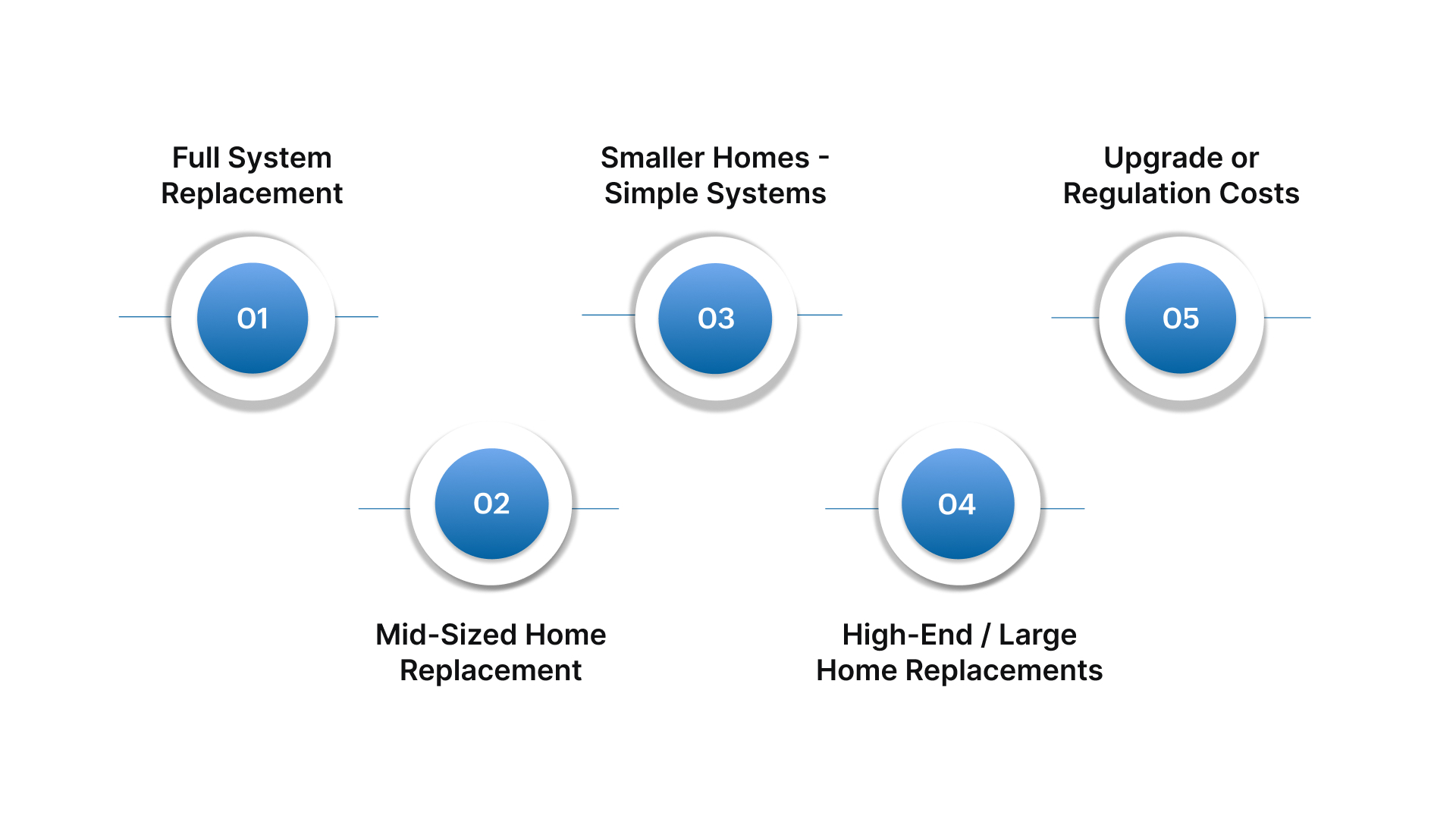
Replacing your HVAC system is a significant investment, and knowing the cost ranges in 2025 can help you plan wisely. The final price depends on several factors, including the size of your home, the type of system you choose, the condition of your ductwork, and the complexity of installation. Here’s a detailed look at national benchmarks to give you a realistic expectation of the average HVAC system cost in 2025.
1. Full System Replacement Costs
When you replace your entire HVAC system, you’re getting a fresh start with new heating and cooling units installed throughout your home. This option is common for homes with aging systems or those that haven’t had maintenance for several years.
Typical Range: $5,000 to $12,500
Covers the HVAC unit itself and standard installation labor.
Works best for average-sized homes (1,500–2,000 sq ft) with existing ductwork in good condition.
Standard efficiency units fall in this range, offering reliable year-round comfort without additional upgrades.
Installation is relatively straightforward, making it the most cost-effective full replacement option.
2. Mid-Sized Home Replacement
Mid-sized homes require systems that can handle larger spaces and sometimes slightly more complex ductwork. These replacements often include higher efficiency units or minor upgrades that improve energy efficiency and comfort.
Cost Range: $10,000 to $20,000, average ~$14,000
Designed for homes around 2,000–2,500 sq ft.
Includes both heating and cooling units to ensure year-round climate control.
May involve minor ductwork adjustments or installation of modern thermostats and controls.
Offers a balance between efficiency and upfront cost, making it popular among homeowners upgrading older systems.
3. Smaller Homes / Simpler Systems
For smaller homes, condos, or homes with minimal ductwork needs, a straightforward installation can provide effective heating and cooling without major modifications.
Cost Range: $4,500 to $7,000
Ideal for homes up to about 1,500 sq ft or where existing ductwork is in excellent condition.
Installation is simple, requiring fewer labor hours and materials.
Standard efficiency units are sufficient to maintain comfort and energy savings.
A good option if the goal is to replace an aging system quickly and efficiently.
4. High-End or Large Home Replacements
Larger homes or premium installations often require advanced systems, more labor, and additional features. These systems may include high-efficiency units, zoning, or smart home integration, which allow precise control over comfort in different areas.
Cost Range: $12,500 to $20,000+
Covers homes 2,500 sq ft and above, or properties with multiple levels.
High-efficiency systems (16–20 SEER) or premium features increase upfront costs.
Installation complexity rises due to custom ductwork, multi-story layouts, or difficult access points.
Optional features like air purifiers, humidity control, or advanced filtration add to the total.
5. Additional Costs for Upgrades or Regulations
Certain replacements may require upgrades to meet new energy efficiency standards, refrigerant requirements, or code compliance. These additional costs can vary significantly based on your home’s condition and the system chosen.
Extra Cost: $1,500 to $11,000
Systems may require new refrigerants or modifications to comply with updated efficiency rules.
High-efficiency or advanced systems can add to labor costs due to installation complexity.
Older or incompatible ductwork may need partial or full replacement, increasing the total cost.
Planning for these upgrades helps avoid unexpected expenses during installation.
While these cost ranges give you a general idea of what to expect, it helps to understand why the HVAC system cost can vary so much from one home to another. Several key factors influence the total cost of replacing an HVAC system in Austin, including home size, system type, installation complexity, and energy-efficiency requirements.
What Drives the Cost (Major Cost Factors)
The HVAC system cost in Austin depends on more than just the unit price. Several factors combine to determine your total expense, from the size of your home to the complexity of the installation. Understanding these elements helps you make smarter decisions, compare quotes more accurately, and avoid unnecessary costs during replacement.
1. Type of System Installed
HVAC systems vary widely in design and efficiency. Central air systems, heat pumps, and ductless mini-splits all come with different price tags.
Central air systems are common in Austin homes and typically cost more to install due to ductwork and higher cooling capacity.
Heat pumps, which both heat and cool, can be cost-effective over time but have higher upfront costs.
Ductless systems are ideal for smaller spaces or add-ons, but can become expensive if you need multiple indoor units.
2. Size and Capacity
The larger the home, the bigger the system required. HVAC units are measured in tons (referring to cooling capacity), and oversizing or undersizing can affect both comfort and energy bills. A professional load calculation ensures you’re paying for the right system, not just a larger one.
3. Energy Efficiency Rating (SEER Value)
The Seasonal Energy Efficiency Ratio (SEER) measures how efficiently your system uses energy. Higher SEER ratings mean lower monthly bills, but they come with higher initial costs. In Austin’s hot climate, investing in a higher SEER system often pays off in long-term savings.
4. Ductwork Condition and Layout
If your home’s ducts are old, leaky, or poorly insulated, they may need repair or replacement. Since ductwork directly affects air distribution and efficiency, it can add to your total installation cost. Abba HVAC often inspects ducts before replacement to ensure proper airflow and energy efficiency.
5. Installation Complexity
Every home is different. Limited attic space, older wiring, or adding new zones can increase labor time and cost. Homes that need both heating and cooling upgrades at once also tend to see higher replacement costs.
6. Brand and Warranty Coverage
Reputable brands often come with longer warranties and better build quality, but cost more upfront. Some warranties also require professional installation, which reinforces the importance of hiring a licensed contractor.
7. Local Permits and Labor Rates
Austin homeowners must comply with city permit requirements for HVAC replacements. Local labor costs, seasonal demand (especially before summer), and permit fees can all affect your total expense.
After covering the major cost components, it’s time to look at how they combine in real examples based on home size and system requirements across Austin.
Cost for Various Home Sizes and Scenarios in Austin
Every Austin home has different heating and cooling needs. A small single-story house will have a different HVAC requirement than a large two-story home or a property with additional rooms or zones. Understanding how home size and setup affect replacement costs helps you plan your budget more accurately.
Below are typical price ranges for HVAC replacement in Austin based on home size and common scenarios:
Home Size / Type | Typical System Capacity | Estimated Replacement Cost (2025) | Notes |
Small Home (under 1,200 sq. ft.) | 1.5 – 2 tons | $5,000 – $7,500 | Suitable for condos, apartments, or small single-family homes. |
Medium Home (1,200 – 2,000 sq. ft.) | 2.5 – 3 tons | $7,500 – $10,000 | Covers most average-sized Austin homes with standard ductwork. |
Large Home (2,000 – 3,000 sq. ft.) | 3.5 – 5 tons | $10,000 – $13,500 | Includes two-story homes that need higher capacity or zoning. |
Extra-Large / Multi-Zone Homes (3,000+ sq. ft.) | 5+ tons or dual systems | $13,500 – $18,000+ | May require multiple systems or custom ductwork layouts. |
These are estimated ranges based on typical installation conditions in the Greater Austin area. Costs may vary depending on energy efficiency ratings, ductwork, and brand preferences.
Knowing how much a new system could cost helps set expectations, but before making that investment, it’s worth asking: Do you really need a replacement right now, or will a repair do the job?
When Is Replacement the Right Choice vs Repair?
Knowing whether to repair or replace your HVAC system can save you from repeated expenses and discomfort. While minor issues can often be fixed, certain signs indicate that replacement is the smarter long-term decision.
When Repair Makes Sense
The system is under 10 years old and has been maintained regularly.
Repairs are minor, such as thermostat calibration, capacitor replacement, or refrigerant recharge.
Energy bills are stable, showing your system is still operating efficiently.
Comfort levels are consistent, meaning airflow and cooling remain steady across rooms.
If your technician confirms the issue is small and parts are readily available, a repair is typically sufficient.
When Replacement Is the Better Option
The system is over 12–15 years old. Most HVAC units lose efficiency after this point, even with regular service.
Frequent breakdowns or costly repairs are becoming a pattern. If repair costs approach 30–40% of a new unit’s price, replacement is more practical.
Energy bills are rising despite consistent usage. This indicates declining efficiency.
Uneven cooling or humidity problems suggest the system is struggling to meet demand.
R-22 refrigerant systems (older models) are no longer environmentally compliant or cost-effective to maintain.
Replacing the system can lower long-term energy costs, improve indoor comfort, and provide peace of mind during Austin’s hottest months.
Pro Tip for Austin Homeowners: Before making the final call, ask your contractor to perform a load calculation (Manual J) and provide both repair and replacement estimates. Comparing them side by side helps ensure your investment aligns with your home’s size, energy use, and future comfort goals.
If replacement seems like the right call, don’t rush into it just yet. Getting accurate, transparent quotes from Austin contractors will help you avoid overpaying or missing key details.
How to Get Accurate Quotes in Austin

Getting the right quote for an HVAC replacement is not just about finding the lowest price. It is about knowing exactly what you are paying for. In Austin, homeowners can avoid costly surprises by following a few simple steps before signing any agreement.
Step 1: Assess Your Current System
Before you reach out to contractors, take note of your existing system’s make, model, and age. If it is more than 10–15 years old or needs frequent repairs, replacement is likely the smarter choice. Check whether your home’s airflow feels uneven or if your energy bills have increased. These details help contractors give more accurate recommendations.
Step 2: Get Multiple Quotes
Always gather at least three estimates from licensed HVAC contractors in Austin. This helps you understand the price range for your system type and home size. Be cautious of quotes that seem unusually low, as they might exclude key components like ductwork adjustments or permits.
Step 3: Verify Credentials
In Texas, all HVAC contractors must hold a Texas Air Conditioning and Refrigeration Contractor License issued by the Texas Department of Licensing and Regulation (TDLR). Confirm that your chosen contractor is both licensed and insured. This protects you from liability and ensures that the installation meets state and local safety standards.
Step 4: Ask the Right Questions
During each consultation, make sure to ask clear and direct questions, such as:
What equipment brand and model are you recommending, and why?
What is the SEER (efficiency) rating of the system?
What warranty terms cover parts and labor?
Are labor and permit fees included in the quote?
How long will the installation take, and what is the expected start date?
Will the contractor remove and dispose of the old unit?
These questions ensure transparency and help you compare offers more accurately.
Step 5: Watch for Hidden Costs
Some quotes may leave out smaller but important costs, such as:
Permit fees required by the City of Austin for HVAC replacements.
Disposal charges for removing old systems.
Electrical or ductwork updates if your current setup does not support a new unit.
Always ask for a written estimate that lists all costs upfront to avoid last-minute add-ons.
Step 6: Compare Quotes Fairly
When comparing estimates, make sure you are evaluating “apples to apples.” Two quotes may look different at first glance, but one might include a higher-efficiency unit or a longer warranty. Compare the system size (in tons), SEER rating, included labor, and warranty coverage side by side. The best value is not always the cheapest; it is the quote that offers reliability, long-term savings, and quality installation.
Knowing how to compare quotes gives you clarity, but finding a dependable team to carry out the work makes all the difference. Abba HVAC has built that trust across Central Texas.
Don’t Let Small HVAC Issues Become Big Problems — Trust Abba HVAC
Replacing or repairing an HVAC system can feel overwhelming, especially when you’re worried about cost, timing, and finding a technician you can trust. That’s where Abba HVAC makes the difference. Since 2007, our licensed and insured team has helped Central Texas homeowners and businesses keep their systems running safely and efficiently, no matter the season.
Here’s what sets Abba HVAC apart:
Licensed & Insured Since 2007: Every technician follows Texas safety codes and brings years of hands-on experience. You can count on precise installation, repair, and maintenance done right the first time.
24/7 Emergency Support: HVAC breakdowns rarely wait for business hours. We’re on call day and night to restore comfort fast during Austin’s extreme weather.
Comprehensive Service: From system replacements and ductwork repairs to basic electrical and plumbing, Abba HVAC offers complete home and business comfort solutions under one roof.
Accurate Diagnostics: Our team uses advanced tools to pinpoint the issue, whether it’s airflow imbalance, refrigerant leaks, or sensor faults, so you only pay for what’s truly needed.
Energy-Smart Upgrades: We guide homeowners toward efficient models and components that reduce monthly bills and keep homes comfortable year-round.
Preventive Maintenance Plans: Scheduled tune-ups and performance checks help prevent major failures, extend system life, and maintain indoor air quality.
At Abba HVAC, every job reflects “Dad-level care and professional-grade service.” We treat your home like our own, with no shortcuts, no surprises, and complete respect for your time and budget.
Conclusion
Replacing an HVAC system is a big decision, both financially and practically. Understanding your HVAC system cost helps you plan wisely and avoid unnecessary surprises. From system size to installation quality, every detail counts toward your comfort and long-term savings.
At Abba HVAC, we take pride in helping homeowners make informed choices, not rushed ones. Whether you need a complete system replacement or a performance upgrade, our team will guide you with honest pricing, quality installation, and long-term support you can trust.
If you’re planning an HVAC replacement or need expert advice before investing, request a free quote now.
FAQ
1. How long does an HVAC replacement usually take?
Most standard HVAC replacements take one full day, depending on system size, home layout, and ductwork condition. Complex installations or additional duct repairs can extend the process to two days.
2. Should I replace both the indoor and outdoor HVAC units together?
Yes, it’s usually best to replace both units at the same time. Mismatched components can reduce efficiency, cause uneven cooling or heating, and shorten your system’s lifespan.
3. What size HVAC system do I need for my home?
The right system size depends on your home’s square footage, insulation, ceiling height, and window type. A licensed technician can perform a load calculation to recommend the correct capacity for balanced comfort and energy use.
4. Do new HVAC systems qualify for any rebates or tax credits in Texas?
Yes. Homeowners who install energy-efficient systems may qualify for federal tax credits or local utility rebates. Your HVAC contractor can help you identify current programs and apply for available savings.
5. How can I make my new HVAC system last longer?
Regular maintenance is key. Schedule seasonal tune-ups, change air filters every 1–3 months, and keep outdoor units clear of debris. Consistent care can extend your system’s life and prevent costly repairs.