Is your HVAC system struggling to keep up with your home’s needs? If your energy bills are rising, temperatures feel uneven, or breakdowns keep happening, it may be time for a replacement.
A new system can feel costly upfront, but the long-term savings from better efficiency, fewer repairs, and improved comfort make it worth it. It also helps enhance your home’s air quality, creating a cleaner and healthier space for you and your family.
In this blog, you'll explore the signs that it’s time to replace your HVAC, the expected replacement timeline, and what costs to expect so you can make a smart decision.
Key Takeaways:
If your HVAC is over 15 years old, breaks down often, or causes rising energy bills, it’s probably time to consider a replacement.
Replacing an HVAC system usually takes 1–2 days, though ductwork or electrical upgrades can extend the timeline.
In 2025, HVAC replacement costs range from $8,000 to $20,000, and while energy-efficient models cost more upfront, they save money over time.
Make the most of available rebates, tax credits, and financing options to help reduce the cost of replacing your HVAC system.
A new HVAC system improves air quality, runs more quietly, and delivers energy savings through zoning and advanced efficiency technology.
11 Signs It’s Time to Repair or Replace Your HVAC System
Your HVAC system keeps your home or office comfortable, but like any machine, it doesn’t last forever. Over time, signs of wear and tear appear, and that’s when you need to decide whether it’s time for a repair or a full replacement.
Here’s a guide to help you figure out when to fix your current system and when it might be smarter to invest in a new one.
Your HVAC System Is Over 15 Years Old
Most HVAC systems have a lifespan of around 15–20 years. If your system is approaching or past this age, it may be time to consider a replacement. Older systems aren’t as efficient, tend to break down more often, and may struggle to keep your space comfortable.
Frequent Repairs
If you find yourself needing repairs several times a year, it’s a sign your system could be nearing the end of its useful life. Even minor issues can add up, both in cost and inconvenience. When repairs start to become a regular expense, replacing the unit often makes more sense in the long run.
Rising Energy Bills
A sudden hike in your energy bills can indicate your HVAC system is losing efficiency. Older units or systems that haven’t been properly maintained often use more energy to keep the same level of comfort. Upgrading to a newer, energy-efficient system can help lower your monthly utility costs.
Inconsistent Temperature and Airflow
Do some rooms feel hotter or colder than others? Uneven temperatures or poor airflow can signal a failing HVAC system. Problems could be with the ductwork, air handler, or compressor. Replacing the system can often solve these issues and help maintain a comfortable, consistent temperature throughout your home.
Strange Noises
If your HVAC starts making unusual sounds, such as grinding, screeching, or rattling, it could be a sign of internal problems like a failing motor, worn-out bearings, or loose parts. These issues usually require repairs, and in older systems, sometimes a full replacement is the better choice.
Strange Smells
Musty or burning odors coming from your HVAC system shouldn’t be ignored. They could indicate mold, clogged filters, or electrical problems. Persistent smells, especially from an older system, may mean that replacement is necessary to keep your home safe and comfortable.
Frequent Cycling
Short cycling, when your system turns on and off repeatedly, can point to underlying problems such as a malfunctioning thermostat, low refrigerant levels, or clogged filters. Over time, this can wear out your system faster and increase energy consumption.
Excessive Dust and Humidity
If you notice more dust, debris, or humidity in your home than usual, your HVAC may no longer be filtering the air effectively. A new, more efficient system can help improve indoor air quality and maintain a comfortable environment.
The System Uses R-22 Refrigerant
If your HVAC still runs on R-22 refrigerant, also called Freon, it’s time to plan for a replacement. R-22 is being phased out due to environmental concerns, making it expensive and increasingly hard to find. Modern systems use eco-friendly refrigerants like R-410A.
Frequent Thermostat Adjustments
If you’re constantly fiddling with your thermostat to keep a comfortable temperature, it’s a sign your system is struggling to regulate the indoor climate properly. This inefficiency usually indicates that the HVAC system is nearing the end of its life.
System Leaks
Leaks, whether refrigerant or water pooling around the unit, are serious and need attention. A system losing coolant can’t perform efficiently, leading to higher energy bills and potential damage.
Once you know the signs that your HVAC needs repair or replacement, it’s helpful to understand how long the replacement process typically takes.
How Long Does HVAC Replacement Take?
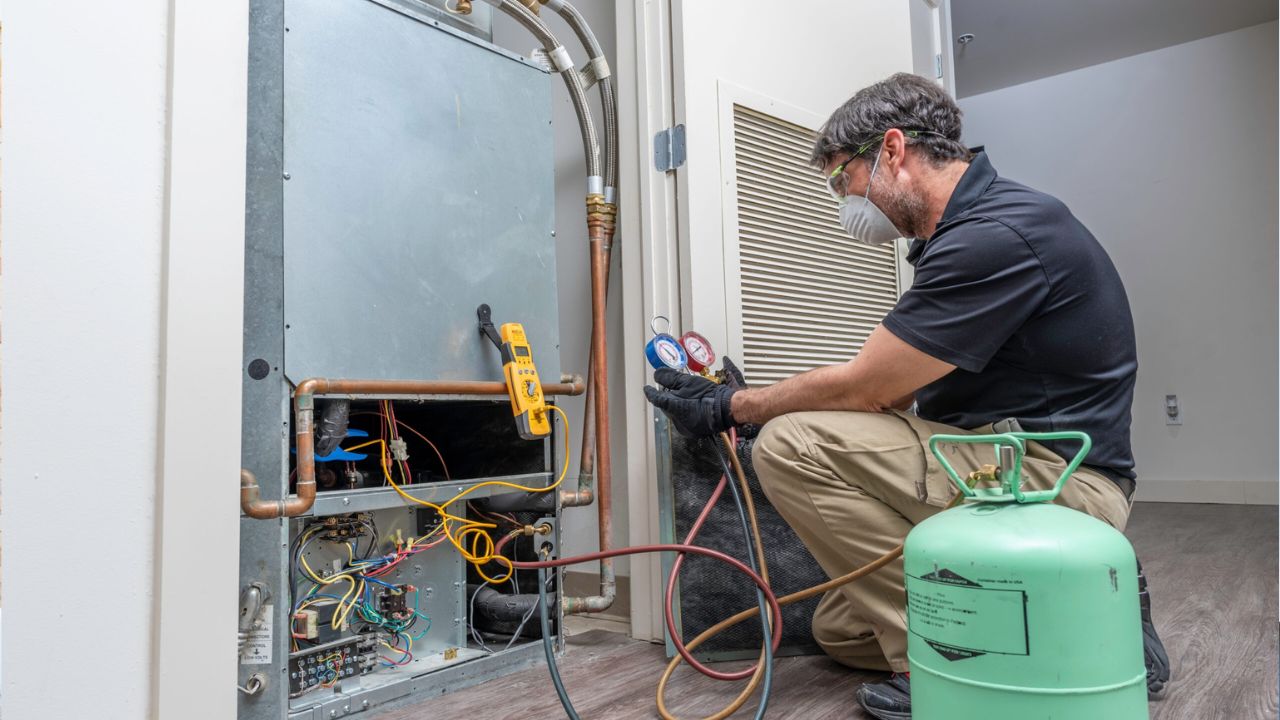
Replacing your HVAC system is a big investment in your home or business comfort. Knowing how long the process takes helps you plan ahead and minimize disruptions. While the exact timeline depends on the type of system, complexity, and any extra work needed, here’s a clear idea of what to expect during the replacement process.
Pre-Installation Assessment: 1–2 Hours
Before any work begins, a professional HVAC technician will come to assess your current system and the area where the new unit will go. This usually takes about 1 to 2 hours, depending on your space and the complexity of your existing setup.
Tasks During Assessment:
Measure the size of your space and inspect the existing ductwork.
Discuss your needs and preferences, like system type and energy efficiency.
Take any measurements needed for the new system.
Check if ductwork or electrical modifications will be necessary.
Delivery of Equipment: A Few Hours
Once you’ve chosen your new HVAC system, it needs to be delivered to your property. If the system is in stock, delivery can happen within a few hours of the assessment. If there’s a delay, this step might take longer.
Things to Consider:
Make sure all system components (unit, thermostat, filters, etc.) arrive before installation.
Clear the installation area to give technicians easy access.
System Installation: 1–2 Days
The actual installation is the most time-consuming part of the process. Most new systems take about 1 to 2 days to install, depending on factors such as complexity and any additional work required.
Key Factors Affecting Installation Time:
System Type: Standard central air systems usually take 1–2 days, while complex systems like heat pumps or geothermal units may take longer.
Ductwork and Wiring: Repairing or replacing ductwork or upgrading electrical connections can add time.
Permits: Some areas require permits for installation, which can extend the timeline.
During installation, the old system is first disconnected and removed. Next, the new equipment is installed, along with any required ductwork or electrical connections.
Once everything is set up, the system is hooked up to your thermostat and tested to make sure it’s working properly. Finally, the technician conducts a thorough inspection to ensure the system is running safely and efficiently.
Post-Installation Testing and Calibration: 1–2 Hours
After installation, the technician performs tests to ensure the system is working correctly. This step usually takes 1–2 hours. This includes:
System Testing: Checking airflow, temperature control, and heating/cooling performance.
Calibration: Adjusting the system for maximum efficiency.
Final Walk-Through: The technician explains the system’s features and answers any questions.
Total Time for HVAC Replacement
Typically, the entire process, from pre-installation assessment to testing, can be completed within 1–2 days. If extra work like duct replacement, electrical upgrades, or permits is needed, it may take a little longer.
What to Expect During Installation:
Some noise and activity around the installation area.
Technicians will need full access to the space where the system is being installed.
Temporary disruptions to heating or cooling while the installation is in progress.
Need Expert Help with HVAC Replacement? Abba HVAC Is Here 24/7
If your current HVAC unit is inefficient, unreliable, or causing high energy bills, Abba HVAC’s licensed technicians are ready to help. We specialize in professional HVAC replacements across the Greater Austin area. Contact us today to schedule your replacement and enjoy a reliable, energy-efficient system you can count on!
Estimating HVAC Replacement Costs in 2025
Replacing your HVAC system is a big investment, so understanding the costs upfront can help you plan better. Many factors influence HVAC replacement costs, such as:
System Type and Size: Whether you’re installing a central air unit, heat pump, or ductless mini-split, the type and size (measured in tons or BTUs) will heavily affect your total cost. Larger systems typically require a bigger budget.
Energy Efficiency: Higher-efficiency units, those with strong SEER (Seasonal Energy Efficiency Ratio) or AFUE (Annual Fuel Utilization Efficiency) ratings, cost more upfront but can help lower your monthly energy bills over time.
Installation Complexity: The harder it is to access your installation space, the more you’ll likely pay. Systems installed in attics or needing significant ductwork modifications can increase labor costs.
Additional Features: Smart thermostats, air purifiers, or zoning systems can enhance comfort but also add to the final price tag.
Refrigerant Regulations: New federal rules requiring eco-friendly refrigerants have pushed up HVAC prices by roughly 20–30%, adding to the cost of new units.
Now, let us have a look at the estimated costs of HVAC replacements.
Average Cost Range
Standard HVAC Systems: Expect to pay between $5,000 and $12,000 for both equipment and labor.
High-Efficiency & Premium Systems: If you opt for high-efficiency models or systems with advanced features, costs can rise to $8,000–$20,000 or more.
Cost Breakdown by System Type
Central Air Conditioners: $3,300–$7,800, depending on capacity and efficiency.
Heat Pumps: $8,930–$14,160, including installation.
Ductless Mini-Split Systems: $3,890–$21,200, depending on the number of zones and features.
Additional Costs to Keep in Mind
Ductwork Replacement: $1,000–$5,000 if ducts are damaged or need redesigning.
Permits and Inspections: $250–$400, depending on local regulations.
Knowing the costs involved makes it easier to avoid common mistakes and ensure your HVAC replacement goes smoothly.
Common Mistakes to Avoid When You’re Replacing Your HVAC
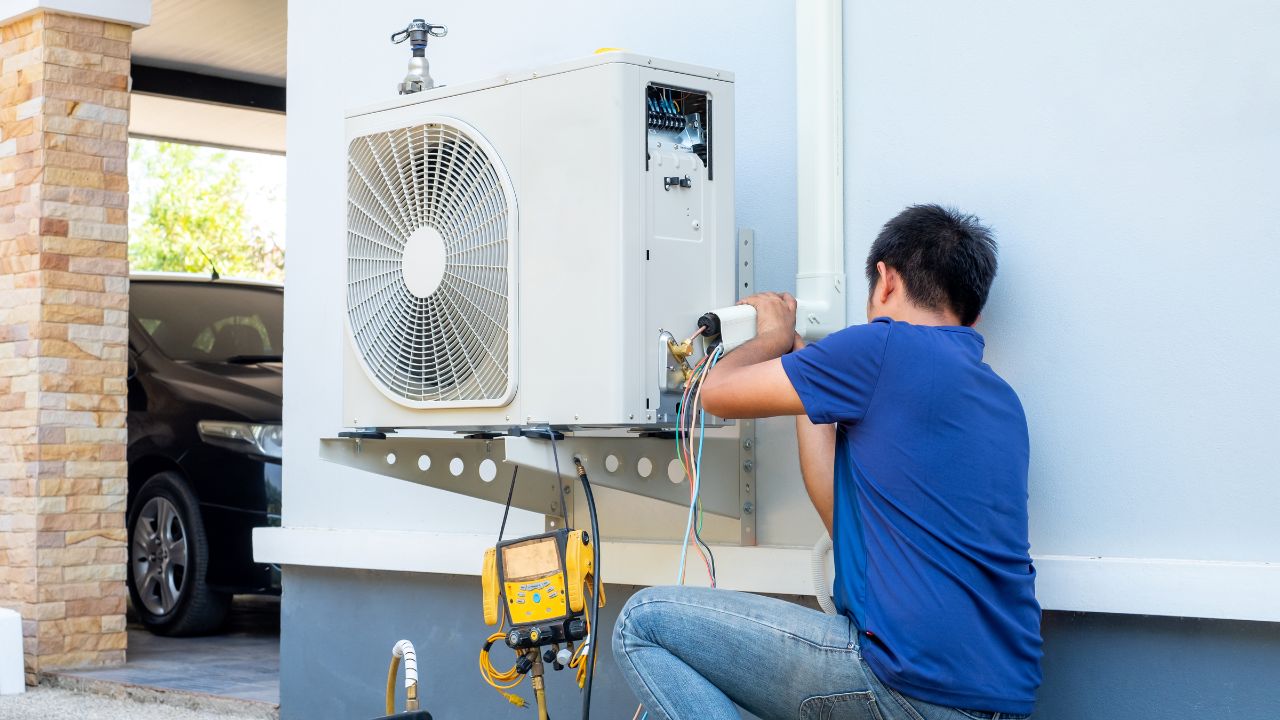
Replacing your HVAC system is a big investment, so it’s important to get it right the first time. Making the wrong choices can lead to extra costs, poor performance, or a system that doesn’t meet your needs. Here are the most common mistakes to watch out for when replacing your HVAC system.
Common Mistakes | How to Avoid It |
Neglecting Energy Efficiency | Opt for systems with high SEER and AFUE ratings, even if they have a higher upfront cost. |
Skipping Professional Installation | Always hire a licensed HVAC contractor to ensure the system is installed correctly and efficiently. |
Overlooking Ductwork Issues | Get your ductwork checked for leaks, blockages, or sizing problems before installing your new system. |
Choosing the Cheapest Option | Think about the total cost of ownership, including long-term energy savings and how long the system will last. |
Ignoring Regular Maintenance | Book regular maintenance visits to keep your system running efficiently and save yourself from costly repairs later on. |
Not Checking for Rebates and Incentives | Research available rebates and tax credits from local utilities or government programs for energy-efficient systems. |
Neglecting to Upgrade Your Thermostat | Invest in a programmable or smart thermostat to increase control and energy efficiency. |
Forgetting to Review Warranties | Carefully read the warranty terms, including what’s covered and the maintenance needed to keep it valid. |
Not Considering Future Needs | Talk to your contractor about future-proofing your system, especially if you plan on expanding your space. |
Avoiding common mistakes during replacement ensures your new HVAC system runs efficiently and keeps your home as comfortable as possible.
How a New HVAC System Can Make Your Home More Comfortable?
Upgrading to a new HVAC system can completely transform how comfortable your home feels, from better air quality to more consistent temperatures. Today’s systems are smarter, more efficient, and designed to cater to your specific comfort needs. Here’s how a modern HVAC system can make a real difference in your home.
Improved Temperature Control
Modern systems often include zoning capabilities, allowing you to set different temperatures for different areas. Many new systems include smart thermostats that learn your daily routine. They adjust the temperature automatically, so your home stays cozy when you’re home and energy isn’t wasted when you’re away.
Better Air Quality
Systems now often feature HEPA or other high-efficiency filters that capture more pollutants. This is especially helpful for allergy or asthma sufferers. Built-in dehumidifiers control humidity, reducing mold growth and keeping your home feeling cooler in the summer.
Energy Efficiency
New HVAC systems use energy more efficiently, which means reduced utility bills and a more comfortable, consistent indoor climate. Higher Seasonal Energy Efficiency Ratio (SEER) ratings mean the system cools better while using less energy.
Modern systems run smoothly, with fewer breakdowns. Less stress on the system means a more comfortable home and peace of mind.
Quieter Operation
Modern HVAC units operate quietly, so your comfort isn’t interrupted. Variable speed fans automatically adjust their speed based on demand, keeping noise levels low while maintaining consistent temperatures. Improved insulation in new systems reduces operational noise, so your home stays peaceful.
Smart Features for Convenience
Adjust your system from anywhere with a smartphone app. Change the temperature, fan settings, or humidity while you’re at work or on vacation. Many systems work with Alexa or the Google Assistant so you can control your climate with a simple command.
Increased Home Value
Buyers notice modern, energy-efficient HVAC systems. A new system can make your property more appealing, potentially increasing its market value and making it stand out from other homes.
Long-Term Reliability
Many new units come with multi-year warranties covering parts and labor, giving you peace of mind. With a reliable system, you can enjoy steady comfort without worrying about unexpected breakdowns.
How Can Abba HVAC Help You Manage Your HVAC Replacement?
Replacing your HVAC system is a big decision and an important investment. It’s something that ensures your home or business stays comfortable, energy-efficient, and cost-effective for years to come. With the proper support and the right system, you can save money in the long run. That's why Abba HVAC guide you through the process and help you make confident, informed choices.
Why Choose Abba HVAC?
Upfront, Transparent Pricing: We provide clear, detailed estimates before starting any work, so you always know what to expect. No hidden fees or last-minute surprises, just honest, upfront pricing.
Expert Consultation for System Selection: Our licensed technicians take the time to understand your needs and recommend the system that fits your space and budget. We also explain how energy-efficient models can save you money over time.
Professional Installation with Precision: Our experienced team installs your new system carefully and correctly, ensuring it runs smoothly and efficiently from day one.
Energy-Efficiency Optimization: We help you choose high-efficiency HVAC systems that reduce energy use and lower your bills, all while keeping your indoor comfort just right.
Ongoing Support and Maintenance Plans: Our job doesn’t end after installation. We offer preventive maintenance plans to keep your system running efficiently, extend its lifespan, and help you avoid costly repairs.
With Abba HVAC, replacing your HVAC system doesn’t have to be complicated. From selecting the right unit to professional installation and long-term care, we ensure your investment delivers maximum comfort, performance, and value.
Final Thoughts
Replacing your HVAC system is a big investment, but it’s often necessary if your current system is inefficient, frequently breaks down, or drives up your energy bills. A timely replacement can save you money and improve comfort.
Whether you own a home or manage a business, knowing the signs, timeline, and costs involved in replacing your system will help you make an informed decision that ensures long-term energy efficiency and comfort.
At Abba HVAC, we make every service call count. Our licensed technicians offer expert advice and use proven methods to guide you through the replacement process, ensuring a smooth and efficient installation.
Call Abba HVAC today to schedule your HVAC replacement, request expert diagnostics, or set up a preventive maintenance plan to keep your system running efficiently for years to come.
FAQs
Q1. What should I do before the HVAC installation day?
A1. Before installation, clear the area around your current HVAC unit, especially if it’s in a closet or an attic, so technicians can work more easily. Make sure there’s access to utilities like electricity and gas lines, and protect your floors and furniture if the installation is happening indoors.
Q2. How often should I replace my HVAC system?
A2. Most HVAC systems last around 15–20 years, depending on the type and maintenance. If your system is close to 15 years old and keeps breaking down, it may be time to replace it. Regular maintenance extends its life, but replacement is best if it becomes inefficient.
Q3. Can I replace just part of my HVAC system, like the furnace or AC unit?
A3. Yes, you can replace only one part, such as the furnace or the AC unit. However, if both units are old, it’s usually better to replace the entire system so the components match, run efficiently, and avoid future compatibility problems.
Q4. Will my new HVAC system work with my existing thermostat?
A4. A modern HVAC system may work with your current thermostat, but upgrading to a smart thermostat can give you better control and save energy. Older thermostats might not fully support new features like precise temperature control or energy-saving modes.
Q5. What happens if I don’t replace my old HVAC system?
A5. Keeping an old system can lead to higher repair costs, reduced efficiency, and rising energy bills. Older units often break down, struggle to maintain comfortable temperatures, and may use outdated, environmentally unfriendly refrigerants.