_____________________________________________________________________
Water heating often ranks as the second‑largest energy expense in a home; about 18% of annual household energy goes into water heating. When your old water heater starts showing signs of wear, like inconsistent hot water or leaks, replacement becomes more than a convenience; it becomes essential.
Replacing a water heater isn't just about swapping old for new; it's about evaluating total costs: the unit, installation, disposal, permits, and potential upgrades. The total cost can vary widely depending on the heater type and your home's setup.
As we move into 2026, having a clear breakdown of replacement costs is crucial. In this article, let's learn what to expect when replacing your water heater, from unit types and price ranges to hidden cost factors, so you can budget wisely and avoid surprises.
Key Takeaways
Replacing a water heater involves various costs, including the unit, installation, and any required upgrades.
Traditional tank water heaters are generally the most affordable option, while tankless and heat pump models offer energy savings but higher initial costs.
Installation complexity, such as venting or electrical modifications, can significantly impact the overall cost.
Additional charges may apply for permits, disposal, and system upgrades (plumbing, gas lines, etc.).
Budgeting for long-term energy savings can help offset the higher initial costs of energy-efficient models.
Repair vs Replace — When Replacement Makes Sense
When your water heater starts showing signs of wear, deciding whether to repair or replace it can be a difficult choice. However, understanding the age and condition of your unit can help guide your decision.
Here are some key indicators to help you determine if it's time to replace:
Age of the Unit: If your water heater is over 10 years old, it's likely to be inefficient and prone to failures, making replacement a more sensible investment.
Frequent Breakdowns: If you're constantly calling for repairs, the cumulative cost of fixing your unit may exceed the price of a new one.
Rising Utility Bills: Older water heaters lose efficiency over time, so if your energy bills are increasing without a change in usage, replacement could cut long-term costs.
Leaks and Corrosion: Visible rust, corrosion, or leaks typically indicate that the water heater is nearing the end of its lifespan, and replacing it will prevent further damage to your home.
With these factors in mind, it's time to explore the key elements you need to consider when replacing your water heater.
Key Factors to Consider When Replacing a Water Heater
Choosing the right water heater replacement involves more than just price; it's about finding the best fit for your home's size, hot water demand, and efficiency needs.
Here are the key factors to consider when making your decision:
Unit Size & Household Hot Water Demand: Larger households or homes with multiple bathrooms may require a 50-80 gallon tank or a higher GPM (gallons per minute) tankless unit.
Fuel Type: Gas models heat faster and are more cost-effective for high-demand homes, but electric units are easier to install and generally cheaper upfront.
Energy Efficiency: Choose ENERGY STAR® certified units to save on long-term energy costs. Tankless models, for example, are more efficient since they only heat water when needed.
Available Space for Installation: Traditional tank heaters require more space, while tankless heaters are compact but may need a dedicated venting system or gas line.
Climate & Regional Considerations: If you live in colder areas, consider a hybrid or heat pump model for added efficiency during winter months.
With these key factors in mind, let's look into the types of water heaters available and how they compare in terms of costs and benefits.
Types of Water Heaters — Unit Types, Features & Pros/Cons
Selecting the right type of water heater is crucial to meeting your home's hot water needs while keeping costs in check. Different units offer various benefits depending on factors like energy efficiency, installation space, and household demand.
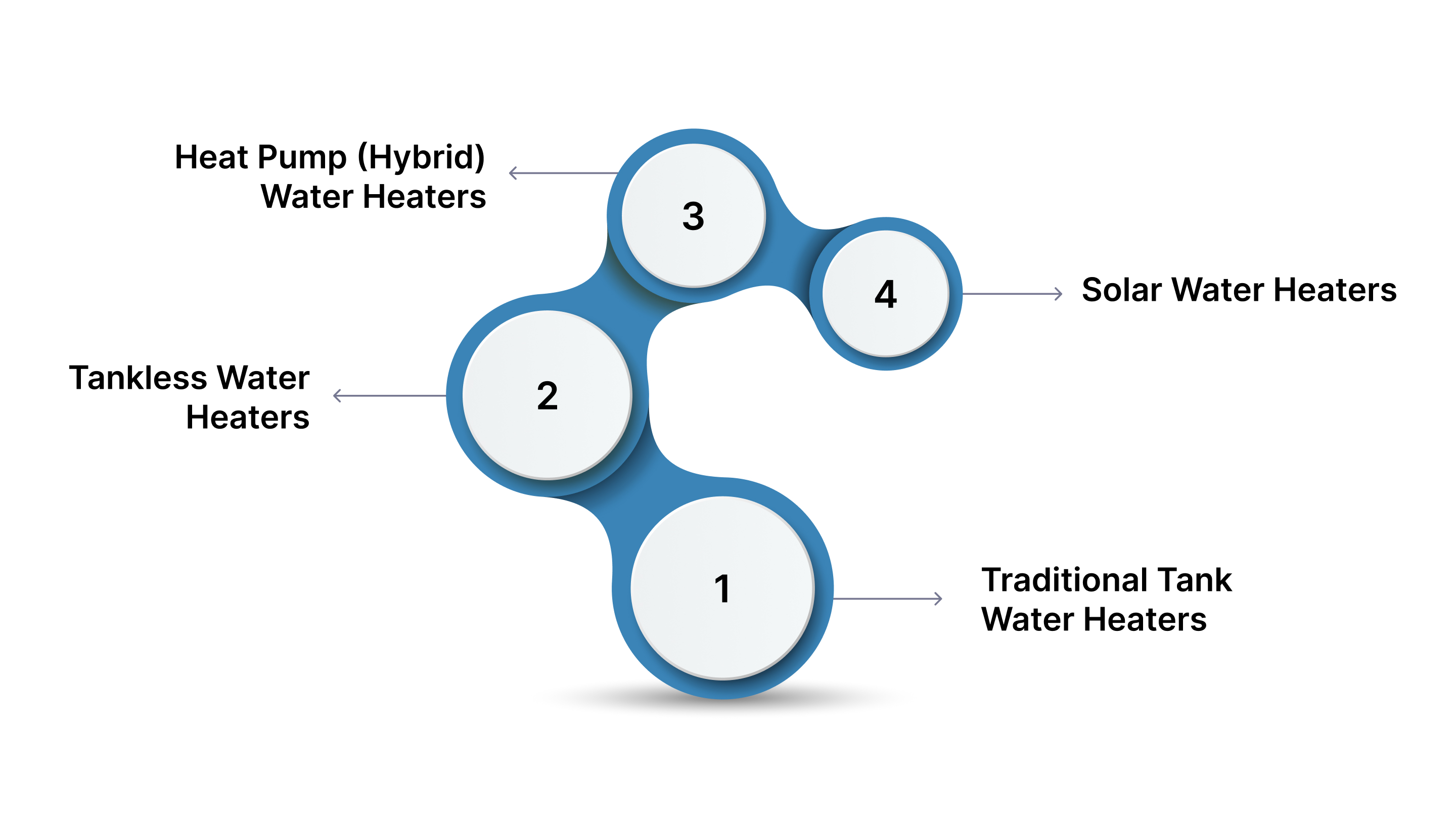
Here's a look at the most common types of water heaters and how they compare:
Traditional Tank Water Heaters
Traditional tank-style heaters are the most common type. They store hot water in a large tank and are typically the most affordable option.
Unit Cost: $300–$600
Pros: Affordable upfront cost, reliable performance, straightforward installation.
Cons: Limited hot water supply, inefficient energy usage due to standby heating.
Tankless Water Heaters
Tankless water heaters heat water on demand and offer continuous hot water. They are ideal for smaller homes or households with lower hot water demand.
Unit Cost: $800–$2,500+
Pros: Endless hot water, space-saving, energy-efficient, especially for smaller homes.
Cons: Higher upfront cost, may require upgrades to electrical or gas lines, performance may be limited with simultaneous high water demand.
Heat Pump (Hybrid) Water Heaters
Heat pump water heaters use ambient air to heat water, making them the most energy-efficient water heater type. They're ideal for energy-conscious homeowners.
Unit Cost: $1,000–$3,000
Pros: Highly energy-efficient, significant savings on energy bills, and long lifespan.
Cons: High initial cost, requires adequate space and a specific installation environment, less efficient in colder climates.
Solar Water Heaters
Solar water heaters use solar panels to heat water, reducing reliance on electricity or gas. These are eco-friendly but come with a higher initial investment.
Unit Cost: $2,000–$5,000
Pros: Eco-friendly, long-term savings, reduces energy dependence.
Cons: High upfront costs, dependent on sunlight, and additional maintenance for panels.
Note: Costs are approximate and can vary depending on the unit's size, brand, and installation complexities.
With a clear understanding of the different types and their costs, let's look into what you’ll actually pay when replacing your water heater in 2026.
Full Cost Breakdown: What You Actually Pay (2026 Estimate)
Replacing a water heater involves several cost components, not just the price of the heater itself. Depending on unit type, installation complexity, and home requirements, the total cost can vary widely.
Below is a table summarizing the typical costs to expect for different heater types (unit + standard installation).
Water Heater Type | Average Unit Price | Average Installed Cost |
Standard Tank (40–50 gallon) | $400 – $2,100 | $600 – $3,100 |
Tankless Water Heater | $600 – $2,600 | $1,400 – $5,600 |
Solar Water Heater | $1,000 – $6,000 | $3,000 – $9,000 |
Hybrid Heat Pump | $1,500 – $3,000 | $2,000 – $4,600 |
Note: Unit prices do not include installation. Total cost before tax incentives or rebates. Costs are subject to variation based on location, installation complexity, and specific model features.
Additional Cost Considerations
There are several factors beyond the unit and installation costs that could affect your final price. Be sure to keep these in mind:
Plumbing, Gas Lines, or Electrical Upgrades: Switching from a tank to a tankless or changing fuel sources could require system modifications.
Permit and Inspection Fees: Local permits and inspections may be required for installation.
Removal and Disposal of Old Unit: Additional charges may apply for removal and eco-friendly disposal.
Efficiency Upgrades: Energy-efficient models and compliance with local codes may add to the cost.
Brand and Warranty: Opting for premium brands or extended warranties will increase the initial cost.
With a clear understanding of the overall costs and hidden considerations, let's move on to how to budget effectively for your replacement.
How to Budget & Plan for Replacement Smartly
Replacing a water heater requires careful planning to avoid unexpected costs. Make sure to consider all factors, including installation, permits, and potential upgrades.
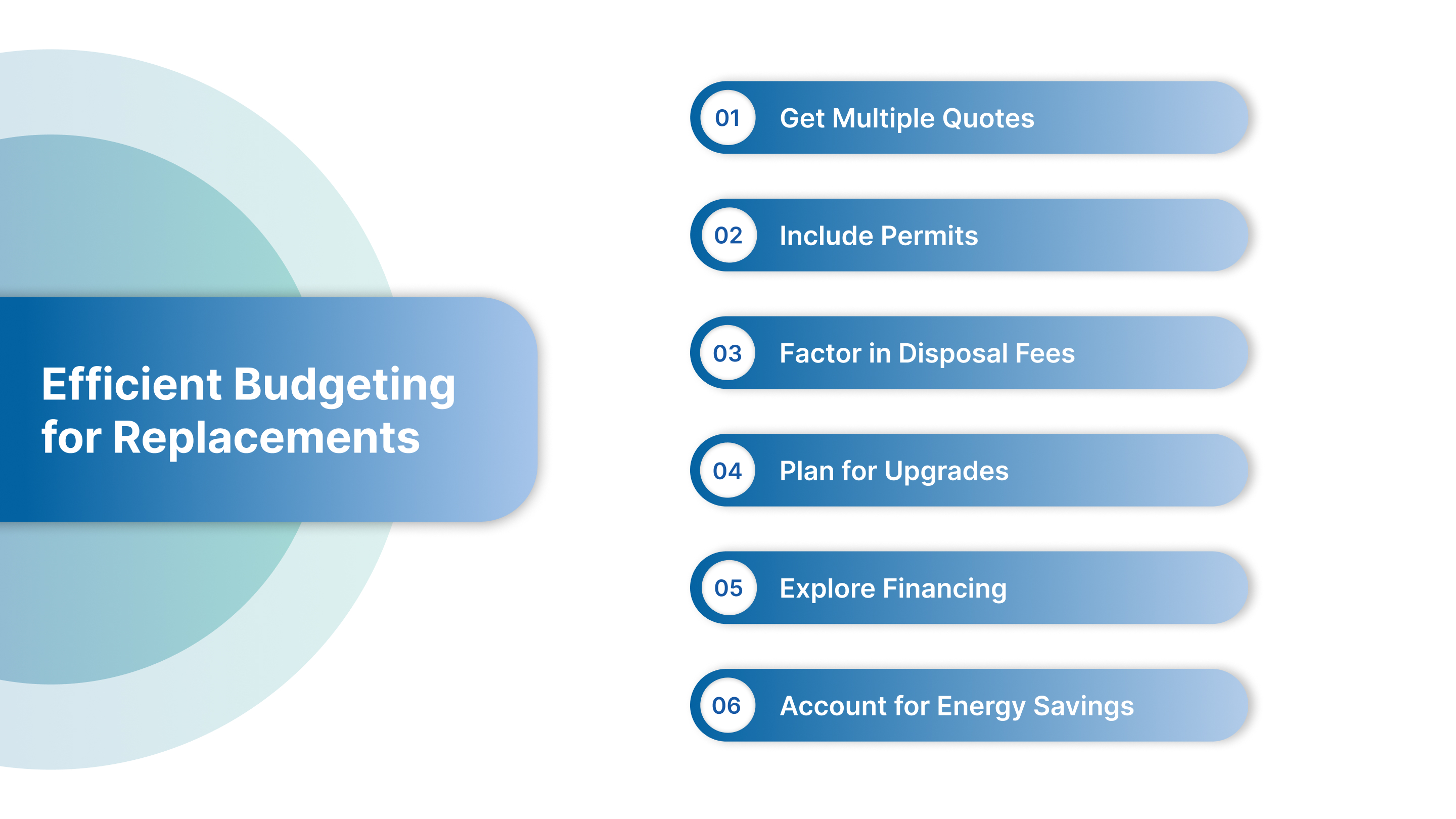
Here is the Budgeting Checklist:
Get Multiple Quotes: Always compare estimates from at least three licensed contractors.
Include Permits: Account for permit and inspection costs, which can vary based on location.
Factor in Disposal Fees: Don't forget to include removal and disposal costs for your old unit.
Plan for Upgrades: Prepare for possible plumbing, gas line, or electrical upgrades.
Explore Financing: Check for available financing or payment plans to help with upfront costs.
Account for Energy Savings: Consider long-term savings from energy-efficient models, which may cost more initially but save over time.
If the process of replacing your water heater feels overwhelming, Abba HVAC can help simplify it. As a full-service HVAC contractor in Austin, Texas, they specialize in seamless, professional water heater installations to ensure your home's comfort system operates efficiently.
Why Choose Abba HVAC for Your Water Heater Replacement?
Abba HVAC is a trusted, full-service HVAC contractor based in Austin, Texas, specializing in efficient, professional water heater installations. With over 15 years of experience, they ensure top-quality service and hassle-free installation for both residential and commercial properties.
What Abba HVAC Offers:
Around-the-Clock Service: 24/7 emergency availability to handle your water heater issues at any time.
Experienced Professionals: Fully licensed, insured, and backed by over 15 years of expertise in HVAC, plumbing, and electrical work.
Efficient Solutions: Focused on energy-efficient installations and preventive maintenance programs to save you money.
Comprehensive Service: Specialized in both residential and commercial projects, ensuring a personalized approach for every customer.
Certified for Excellence: Certified for energy audits and inspections to ensure your new water heater operates optimally.
Trust Abba HVAC for reliable, professional installation and comprehensive service, ensuring your water heater replacement goes smoothly from start to finish.
Final Thoughts
Replacing your water heater can be a complex process, but understanding the costs and factors involved helps ensure a smooth experience. From choosing the right unit to considering installation and long-term savings, taking a thoughtful approach to budgeting and planning is key.
For a seamless water heater replacement, Abba HVAC offers reliable, expert installation services that make the process hassle-free from start to finish. Their comprehensive knowledge across HVAC, plumbing, and electrical work ensures your water heater is installed efficiently and correctly.
Need help with your water heater replacement? Contact Abba HVAC today for a professional consultation and installation, and enjoy reliable, long-lasting hot water in your home.
FAQs
How do I know if my water heater needs to be replaced?
If your water heater is over 10 years old, constantly requires repairs, or is leaking, it's likely time for a replacement. Additionally, inconsistent water temperature or rust-colored water are strong indicators that your heater may be failing.
What size water heater do I need for a family of four?
For a family of four, a 50-gallon traditional tank water heater is usually sufficient. If you're considering a tankless model, look for a unit with a flow rate of 8 GPM or higher to ensure a consistent hot water supply.
Are energy-efficient water heaters worth the extra cost?
Yes, energy-efficient water heaters may have a higher upfront cost, but they offer long-term savings through lower energy bills. In the case of tankless and hybrid models, you can save up to 30% annually on energy use, making them a wise investment.
How long does a typical water heater last?
The average lifespan of a traditional tank water heater is around 8 to 12 years. Tankless units tend to last longer, about 20+ years, with proper maintenance and care. If your unit is approaching this age and experiencing issues, replacing it soon is often the best option.
Can I install a water heater myself?
While some may consider DIY installation, it's best to hire a professional. Incorrect installation, especially with gas or electrical connections, can be dangerous and lead to inefficiency or costly damage. Always use licensed professionals for installation.