Your AC just stopped working, and in the middle of a Texas heatwave, that's more than an inconvenience. The good news is that most AC problems have straightforward solutions, and many can be diagnosed and fixed faster than you think.
The key is knowing what to look for. Is it a simple thermostat setting? Is a clogged filter choking your system, or is it something more serious, like a refrigerant leak? A quick check can often tell you whether it’s something you can handle safely or a job for a technician.
This guide covers the 12 most common reasons your air conditioner stops cooling, how to spot each issue, and when to call in a professional. Let’s get your system running again before the Texas heat takes over.
Key Takeaways
Most AC failures trace back to 12 common issues, from dirty filters and thermostat errors to compressor failures and refrigerant leaks.
Simple fixes you can handle: replace filters monthly, clear debris around outdoor units, check thermostat settings, and make sure vents are open and unobstructed.
Call a professional for electrical repairs, refrigerant handling, compressor failure, or anything involving complex diagnostics.
Abba HVAC offers licensed, 24/7 service across Austin and Central Texas to fix your AC fast and safely.
Why Is Your Air Conditioning Unit Not Working (And How to Fix It)?
If your air conditioning system isn’t working as expected, the causes can vary widely. Some issues are minor and can be quickly identified, while others require the skills and tools of a licensed HVAC technician to diagnose and resolve safely.
Here are 12 possible reasons your AC unit is not working properly:
1. Incorrect Thermostat Settings
Start with your thermostat — it’s the simplest issue to fix and one of the most common causes of AC malfunction.
Here’s what to do:
Set the mode to “Cool.” Make sure it isn’t on “Fan” or “Heat.”
Lower the temperature at least 5°F below the current room temperature to activate cooling.
Replace the batteries if your thermostat runs on battery power.
Check your smart or programmable settings. Ensure the schedule isn’t set to “Away” or “Energy Saver” mode.
Inspect the display. A blank or flickering screen can indicate a wiring or power issue.
Pro Tip: Regular thermostat calibration helps your AC cycle efficiently and prevents short cycling or delayed cooling.
2. Dirty or Clogged Air Filter
A dirty air filter is one of the most common reasons your AC stops working efficiently—or at all. When dust and debris clog the filter, airflow drops, forcing your system to work harder. This strain can cause frozen evaporator coils, reduced airflow, or even a complete system shutdown.
Here’s what to do:
Locate the air filter. It’s usually behind the return air vent or inside the blower compartment.
Turn off your AC unit before removing the filter to prevent dust from being pulled into the system.
Inspect the filter. Hold it up to a light source—if you can’t see light through it, it’s clogged.
Clean reusable filters by rinsing them gently with water. Let them dry completely before reinstalling.
Replace disposable filters with a new one of the same size and MERV rating (found on the filter frame).
Set a reminder to check or replace your filter every 30–60 days, especially during peak cooling months.
If airflow remains weak after replacement, call Abba HVAC to inspect your ductwork and evaporator coil for blockages or ice buildup.
Pro Tip: Clean filters not only keep your AC running smoothly but can cut energy use by up to 15%.
3. Low Refrigerant Levels
If some rooms are colder than others, your system runs constantly without ever reaching the set temperature, or you notice ice forming on the coils, your refrigerant may be low.
This often happens in units that haven’t been serviced annually or haven’t received a refrigerant top-up in years.
Here’s what to do:
Check for visible refrigerant leaks around the outdoor unit or lines (oily spots or frost).
Inspect the evaporator coils for excessive ice buildup.
Avoid running the system if you see ice — it can damage the compressor.
Call a licensed HVAC technician to locate and repair the leak, then recharge the refrigerant to proper levels.
Pro Tip: Low refrigerant often points to a leak, not just “use over time.” A yearly AC tune-up can catch it early and prevent compressor failure.
4. Dirty Evaporator or Condenser Coils
When the evaporator or condenser coils get dirty, your AC can struggle to transfer heat efficiently. This is a common reason why your air conditioning unit is not working efficiently.
Here’s what to do:
Turn off the unit before inspecting the coils.
Check the outdoor condenser for visible dirt, leaves, or debris. Gently clean the surface with a soft brush or low-pressure hose.
Ensure there’s at least two feet of clearance around the outdoor unit for proper airflow.
For indoor evaporator coils, avoid DIY cleaning—these require careful handling to prevent bent fins or refrigerant line damage
5. Blocked or Dirty Condenser Unit
Your outdoor unit needs breathing room. When leaves, grass clippings, or debris pile up around it, airflow gets restricted and heat can't escape.
What can you do:
Clear at least 2 feet of space around all sides
Remove debris from the top and fins
Trim back vegetation regularly
Spray fins gently with a garden hose (top to bottom)
This monthly maintenance prevents overheating and costly repairs.
6. Frozen Evaporator Coils
If you see ice forming on your indoor unit or refrigerant lines, your evaporator coils are frozen — a sign your AC isn’t breathing properly. Blocked airflow or low refrigerant prevents warm air from passing over the coils, causing them to ice up and stop cooling entirely.
Here’s what to do:
Turn off your AC immediately to prevent compressor damage.
Let the coils thaw completely (usually takes 2–3 hours).
Replace your air filter if it’s clogged or dirty.
Check that all supply and return vents are open and unblocked.
Call a professional if:
The coils freeze again after thawing. That usually means low refrigerant or deeper airflow issues. A technician can test refrigerant levels, inspect for leaks, and restore system efficiency safely.
7. Faulty Compressor
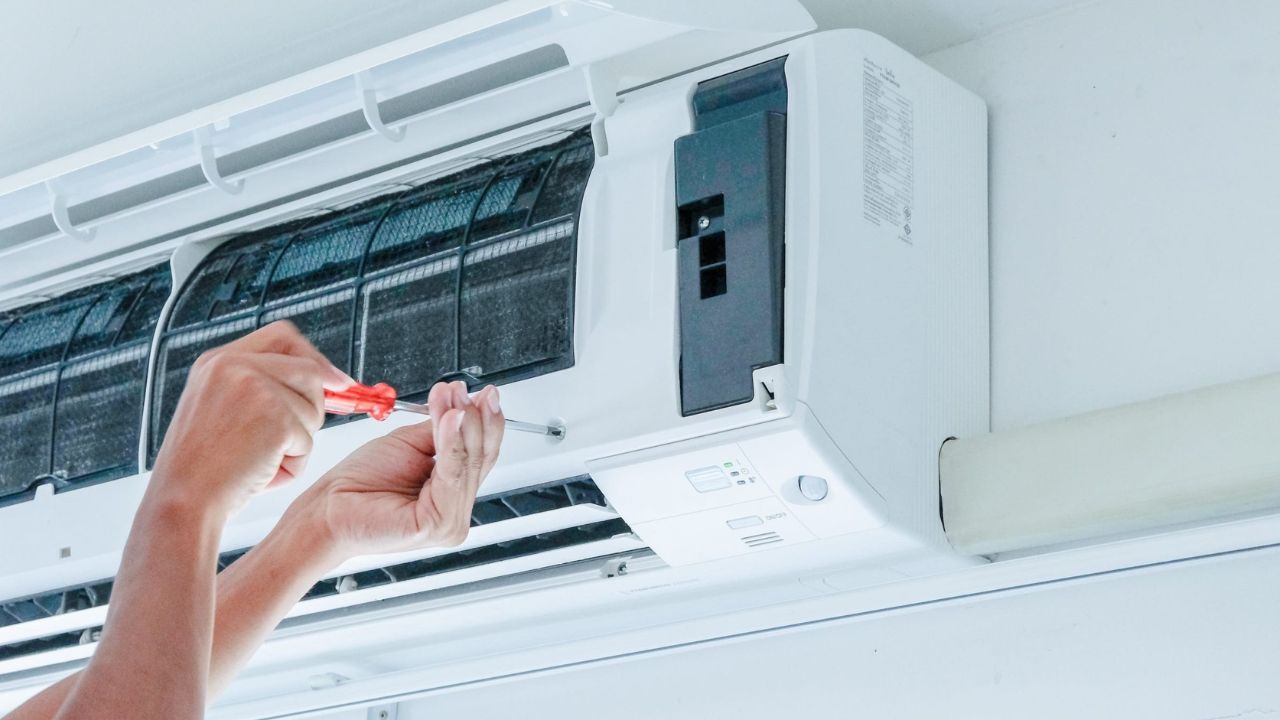
The compressor is the heart of your AC. It pumps refrigerant through the system. When it fails, cooling stops completely.
Warning signs:
Loud grinding, clicking, or rattling noises.
Unit runs, but no cool air
Circuit breaker trips repeatedly
The compressor feels extremely hot
Most compressors have a 5-10 year parts warranty, with some manufacturers offering up to 12 years. If your system is still under warranty, you'll only pay for labor. Keep your installation paperwork and register your unit with the manufacturer to protect your coverage.
Repairing a compressor is often costly, so it’s wise to evaluate your options carefully. For older units, sometimes getting multiple quotes is the best approach, as a full system replacement may make more financial sense than just replacing the compressor.
8. Electrical Issues (Fuses, Capacitors, Wiring)
Electrical faults are one of the most overlooked reasons your air conditioning unit is not working. A blown fuse, burnt capacitor, or loose wire can cut power to your system or cause it to behave erratically.
Here’s what to check:
Inspect your circuit breaker. If it’s tripped, reset it once. If it trips again, stop and call a technician.
Make sure your thermostat and indoor unit have power. A blank display can indicate a blown fuse.
Check for low voltage in your area if other appliances are flickering or running weakly.
Important:
Never open electrical panels or attempt DIY capacitor or wiring repairs. These components hold 240 volts and can retain a charge even after power is cut. Only a licensed HVAC professional should handle electrical diagnostics and replacements safely.
Need Expert Help? Abba HVAC Is Here 24/7
If you've identified an electrical issue, refrigerant leak, or any problem beyond basic maintenance, don't risk your safety or your system. Abba HVAC's licensed technicians serve the Greater Austin area with fast, professional diagnostics and repairs. Call us now.
9. Improperly Sized Unit
Sometimes your air conditioner isn’t malfunctioning — it’s just the wrong size for your home.
A small unit runs nonstop trying to reach the set temperature, leaving rooms warm and energy bills high. A large unit, on the other hand, cools the air too quickly and shuts off before removing humidity, causing uneven comfort and short cycling that wears out components faster.
Here’s what to do:
Notice if your system runs constantly or turns on and off too often — both can signal improper sizing.
If you’ve added square footage or improved insulation recently, your cooling needs may have changed.
Schedule an HVAC load assessment with a licensed technician to check your home’s cooling requirements and recommend whether system adjustments or a replacement will deliver balanced, efficient comfort.
10. Leaky Ductwork
Leaky ducts can quietly drain your system’s efficiency by letting cool air escape into attics, walls, or crawlspaces instead of circulating through your home. The result? Uneven temperatures, weak airflow, and higher energy bills, even though your AC seems to be running fine.
Here’s what to do:
Check for loose or disconnected joints in visible duct areas, especially near vents or the air handler.
Feel for air escaping from seams while the system is running.
Listen for whistling sounds that can point to leaks.
Seal small gaps with HVAC-approved foil tape (not standard duct tape).
If comfort issues persist, call a professional to perform a duct pressure test and seal leaks deep within the system using commercial-grade materials. Properly sealed ducts can improve cooling performance and lower your energy costs.
11. Obstructed Air Vents
Sometimes your AC works fine—the air just isn’t getting where it needs to go. Blocked or closed vents restrict airflow, forcing your system to work harder and leaving certain rooms uncomfortably warm.
Here’s what to do:
Walk through your home and check all supply and return vents.
Move furniture, rugs, or curtains away from vents to allow unobstructed airflow.
Make sure registers are fully open in every room.
Use a vacuum or soft brush to remove dust buildup from vent grilles.
If airflow still feels weak after clearing obstructions, it could point to deeper duct restrictions or fan motor issues. In that case, have a professional assess your system to restore proper circulation.
12. Dirty or Blocked Drain Line
When the condensate drain line gets clogged, your AC can’t properly remove moisture from the air. This causes water leaks, musty odors, or humidity spikes around your home. You might even spot water pooling near the indoor unit—a clear sign the drain line is blocked.
Here’s how to fix it:
Locate the PVC drain line near your indoor unit.
Use a wet/dry vacuum or pipe brush to clear debris from the access point.
Flush the line with a cup of distilled vinegar or warm water to dissolve buildup and prevent future clogs.
If you still see leaks or your system struggles to cool evenly, the blockage might be deeper in the line. In that case, it’s best to call a professional to safely clear the drain and prevent water damage.
These 12 issues can cause your air conditioning unit to stop working or underperform. Many of them, like dirty filters, blocked drain lines, or obstructed vents, can be prevented with regular maintenance and timely professional inspections.
When Do You Need Professional Help?
Sometimes, even after checking common issues like dirty filters, blocked vents, or tripped breakers, your AC still isn’t cooling properly. At this point, it’s important to recognize when a professional is needed. Attempting further DIY fixes can put you or your system at risk.
Key signs that you should call a licensed HVAC technician include:
The AC won’t turn on at all, despite checking power sources and thermostat settings.
Strange noises, burning smells, or frequent cycling continue.
Ice continues forming on coils, or refrigerant issues persist.
Water leaks or drain line problems remain after basic DIY clearing.
If you notice any of these warning signs, switch off the unit immediately to prevent further damage or safety hazards, and contact a professional.
Don't Let AC Problems Disrupt Your Comfort—Trust the Experts
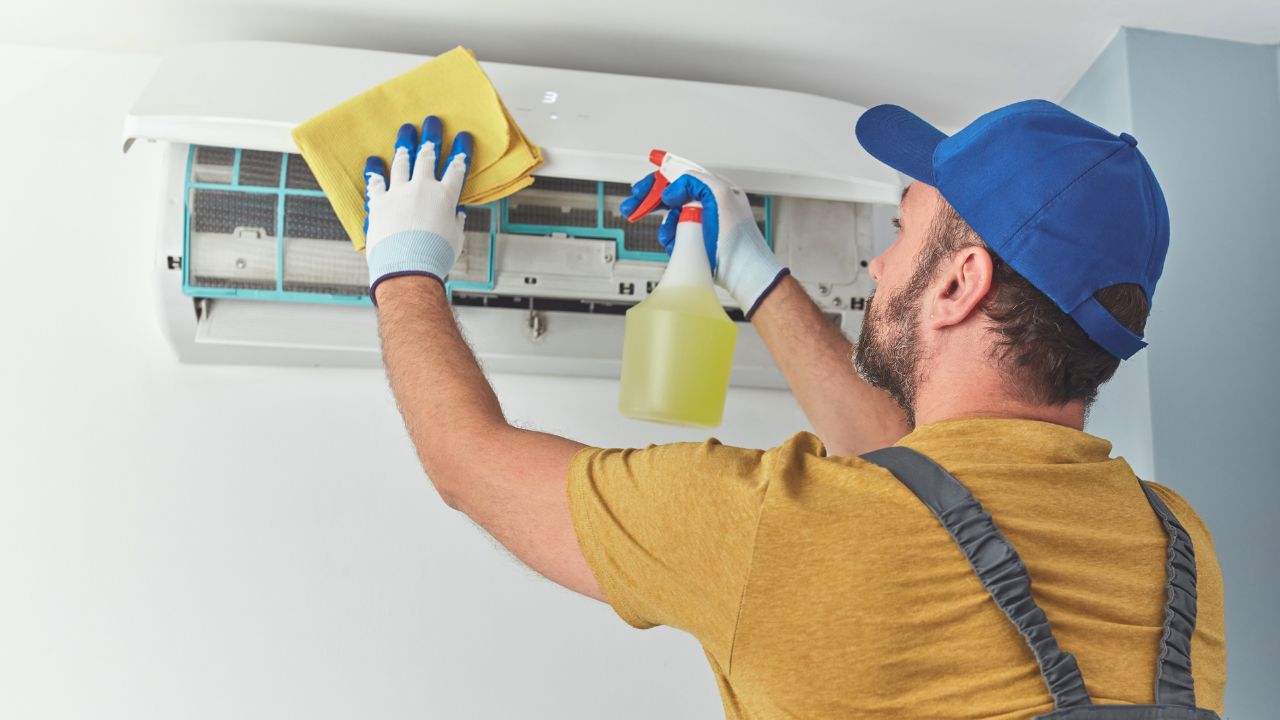
Dealing with a malfunctioning air conditioner is frustrating, especially during Austin’s scorching summers. From mysterious noises to full system failures, AC repairs demand skill, precision, and the right tools to handle electrical and refrigerant components safely.
That's where Abba HVAC comes in. Since 2007, we've been delivering dad-level care with professional-grade HVAC service throughout the Greater Austin and Central Texas area.
Our licensed and insured technicians have handled every kind of issue—from faulty thermostats to major compressor failures—and we diagnose and fix problems right the first time.
Why Austin homeowners and businesses trust Abba HVAC:
24/7 Emergency Service: We respond fast when your AC quits unexpectedly. Our technicians are on call day and night to restore comfort before the Texas heat becomes unbearable.
Licensed & Insured Since 2007: You get peace of mind knowing every service is backed by a fully certified, insured, and experienced local team with nearly two decades of trusted performance.
Comprehensive Diagnostics: We use advanced diagnostic tools to identify problems, from refrigerant leaks to sensor failures precisely, so you avoid unnecessary replacements or recurring issues.
Full-Service Solutions: We handle everything—HVAC, ductwork, basic plumbing, and electrical—so you don’t need to juggle multiple contractors. One call does it all.
Preventive Maintenance Plans: Our seasonal tune-ups and energy-efficiency programs help lower utility bills, prevent breakdowns, and extend your system’s lifespan year after year.
Whether you're in Austin, Cedar Park, Round Rock, Georgetown, Leander, or Pflugerville, Abba HVAC is your reliable partner for keeping your home or business cool, efficient, and comfortable—no matter how hot it gets outside.
Wrapping Up
Your air conditioning unit can stop working for several reasons. Many of these issues can be prevented or resolved with regular maintenance, early detection, and prompt attention to unusual symptoms.
When it comes to professional HVAC service, Abba HVAC has been keeping Texas homes and businesses cool since 2007. With 24/7 emergency service, upfront pricing, preventive maintenance plans, and energy-efficient solutions, we take the stress out of your AC problems.
Call Abba HVAC today to schedule a service, get expert diagnostics, or set up a preventive maintenance plan.
FAQs on Why Your Air Conditioner Is Not Working
1. Why Is My Air Conditioner Making Noise?
Noises from your AC can indicate various issues, such as loose components, a failing fan motor, or debris in the system. While some sounds are minor, persistent or unusual noises should be inspected by a licensed HVAC technician to prevent damage and ensure safe operation.
2. Why Is My Air Conditioner Not Turning Off?
If your AC runs continuously, it could be due to thermostat settings, an improperly sized unit, or refrigerant imbalances. A professional can assess your system, adjust settings, and perform necessary maintenance to restore normal cycling.
3. Why Is My Air Conditioner Not Cooling the House?
Insufficient cooling can result from dirty filters, blocked vents, low refrigerant, frozen coils, or ductwork issues. Start with simple checks like filters and vents, but persistent cooling problems require a licensed technician for proper diagnosis and repair.
4. How Can I Tell if My AC Needs a Professional?
Call a professional if you’ve tried basic troubleshooting like checking filters, vents, or breakers and your system still isn’t working properly. Signs include strange noises, leaks, ice buildup, or frequent cycling. Professional inspection ensures safety and prevents further damage.
5. How Often Should I Schedule AC Maintenance?
Annual maintenance is recommended to keep your system running efficiently. Regular inspections catch issues like dirty coils, low refrigerant, or worn components early, reducing the risk of unexpected breakdowns and extending the life of your AC.